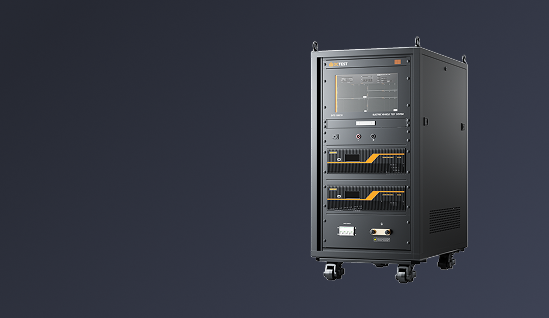

High frequency recommended vocabulary
GJB 151B is the Chinese national military standard that contains both the electromagnetic emission and susceptibility requirements for military equipment and subsystems and the measurements by which they are verified. It replaced the earlier arrangement in which the requirements were published in one document and the measurement methods in another, and it thereby removed a source of ambiguity for laboratories and suppliers. The standard defines twenty-one test items arranged in the four families of conducted emission, conducted susceptibility, radiated emission and radiated susceptibility, and it gives for each item the purpose, the applicable frequency range, the limit or the applied level, the equipment set-up and the measurement procedure. For equipment intended for use in ground installations the core set of items is the conducted emission CE102, the conducted susceptibilities CS101, CS114, CS115 and CS116, the radiated emission RE102 and the radiated susceptibility RS103. Test levels and applicability are selected by the platform programme.
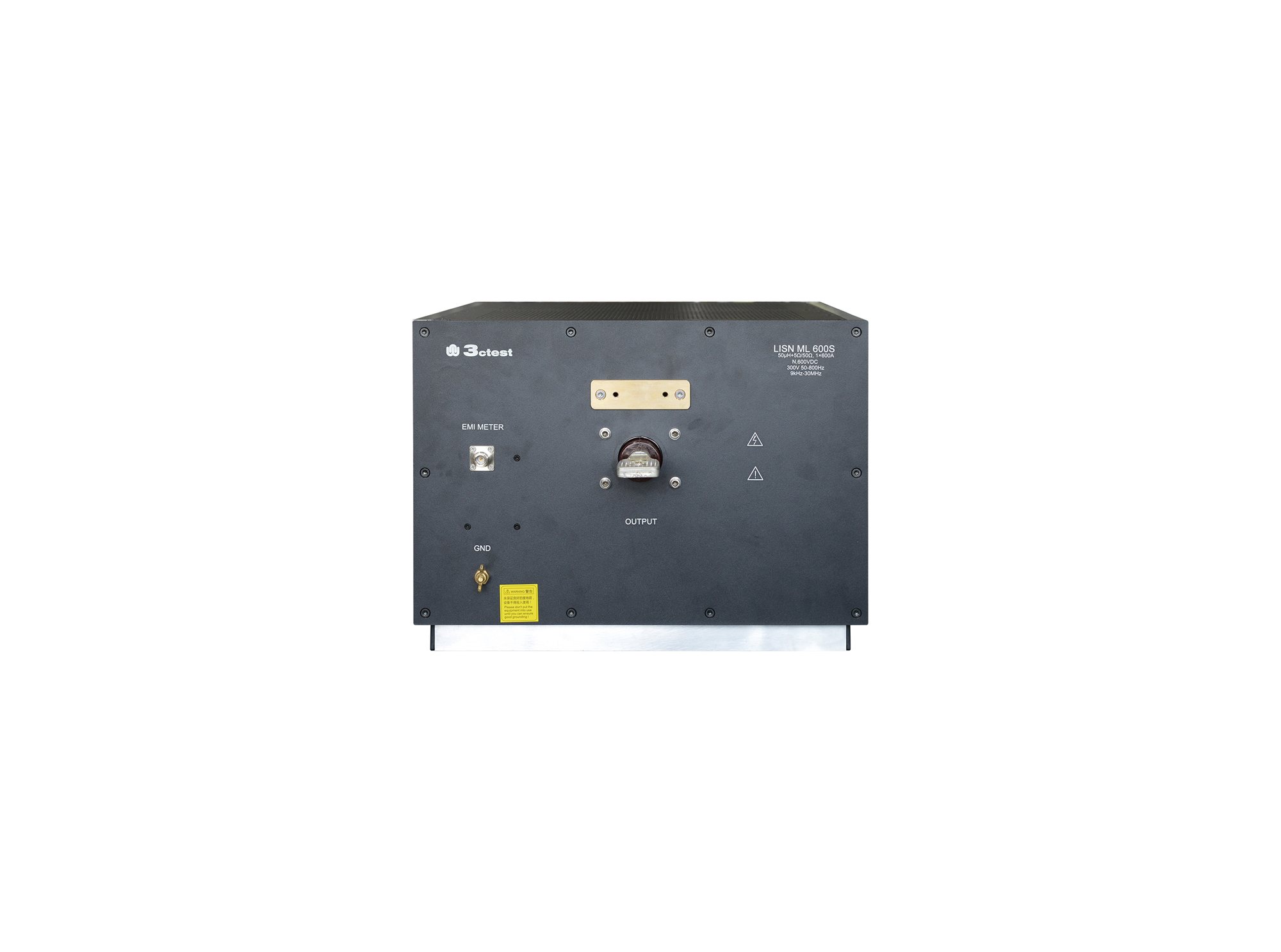
The LISN ML 600S line impedance stabilization network is designed according to MIL-STD-461 and GJB 151.
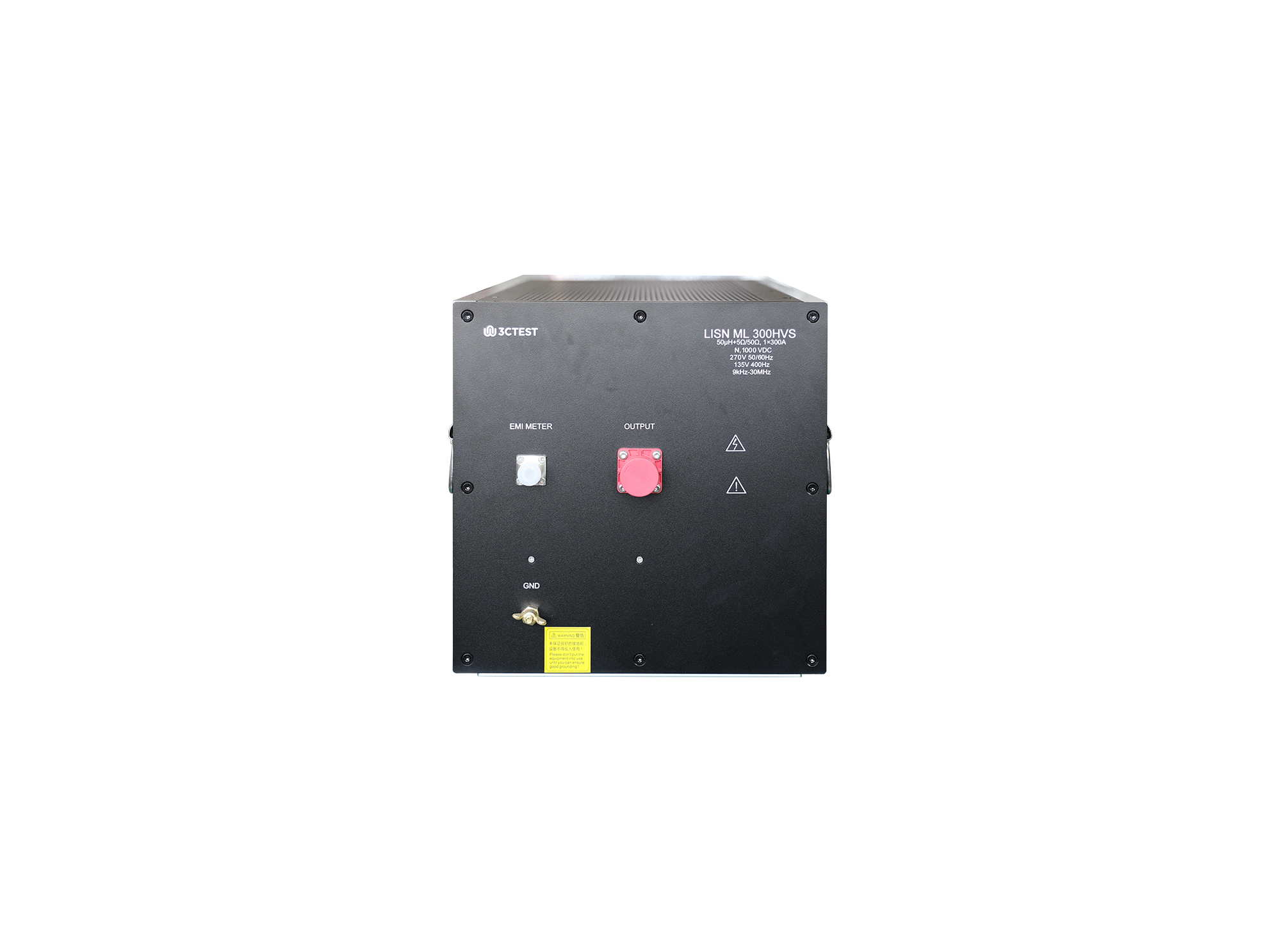
The LISN ML 300HVS line impedance stabilization network is designed according to MIL-STD-461 and GJB 151.
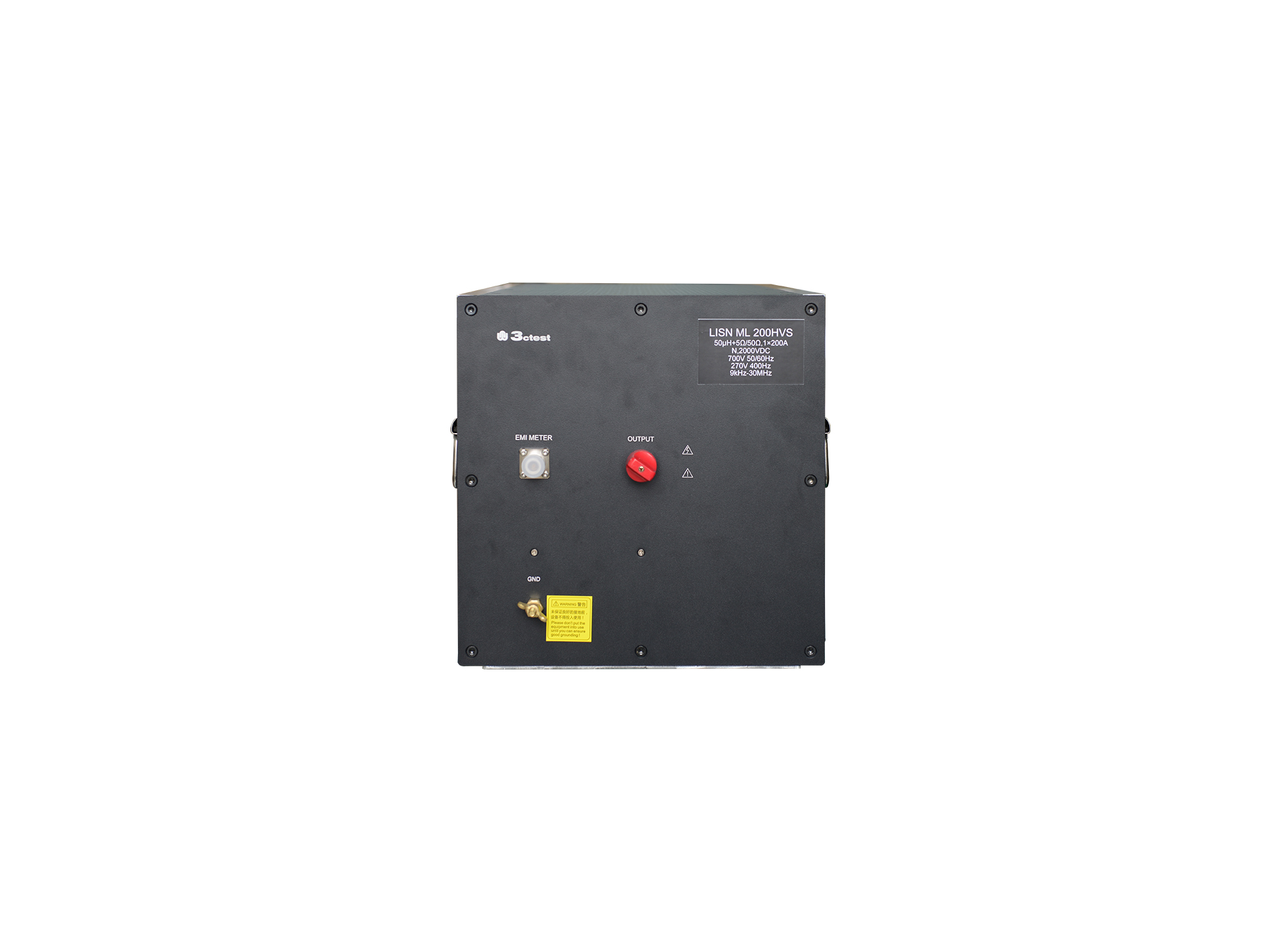
The LISN ML 200HVS line impedance stabilization network is designed according to MIL-STD-461 and GJB 151. Designed for conducted emission test, it isolates power interference and provides the specified power impedance to EUT.
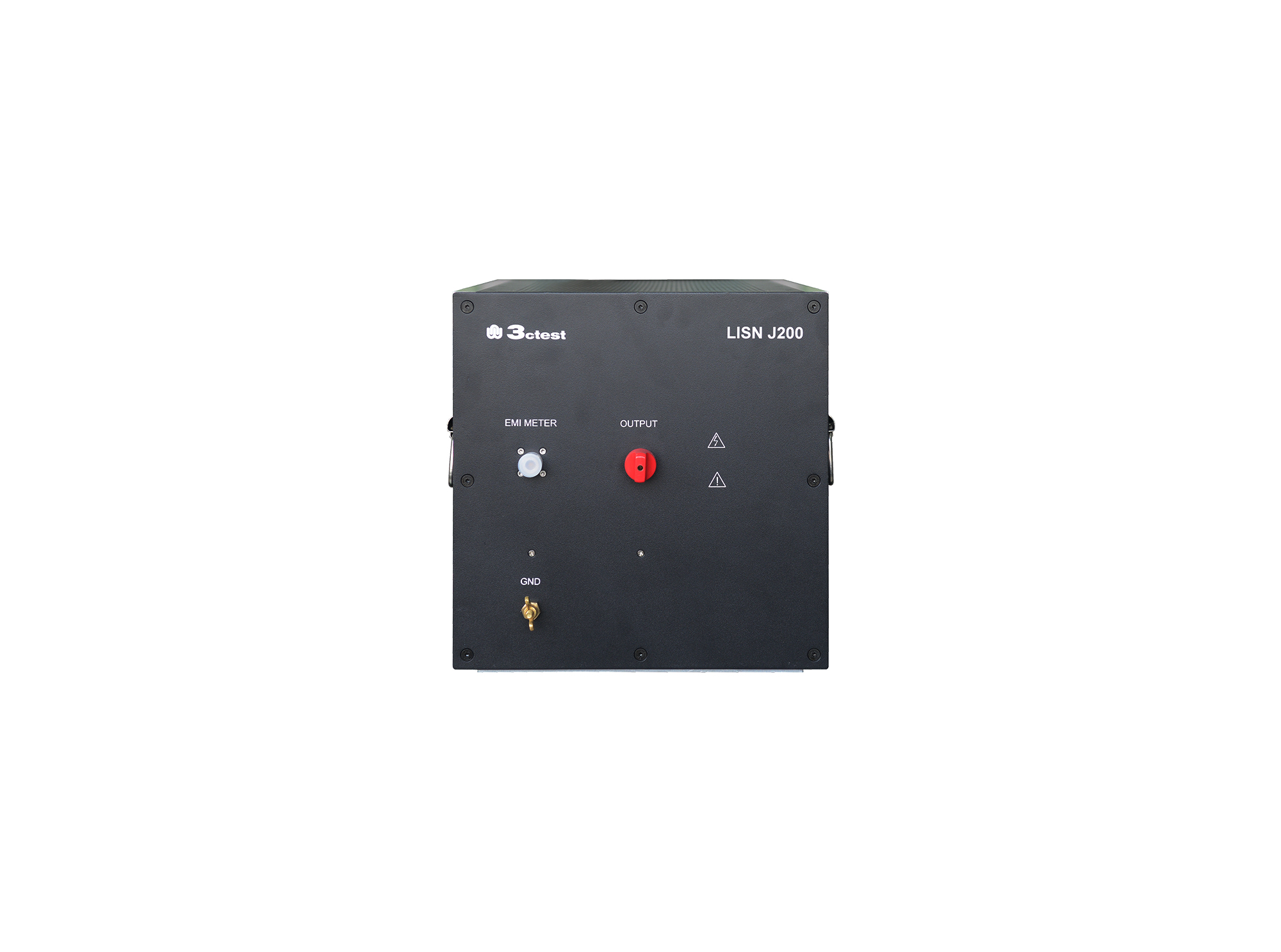
The LISN J200 is designed as per GJB151B (2013) and MIL-STD-461E(1999)and used to separate parts from mains and measure the disturbances feature of vehicles, ships and internal combustion engines, its impedance completely meets standards requirements.
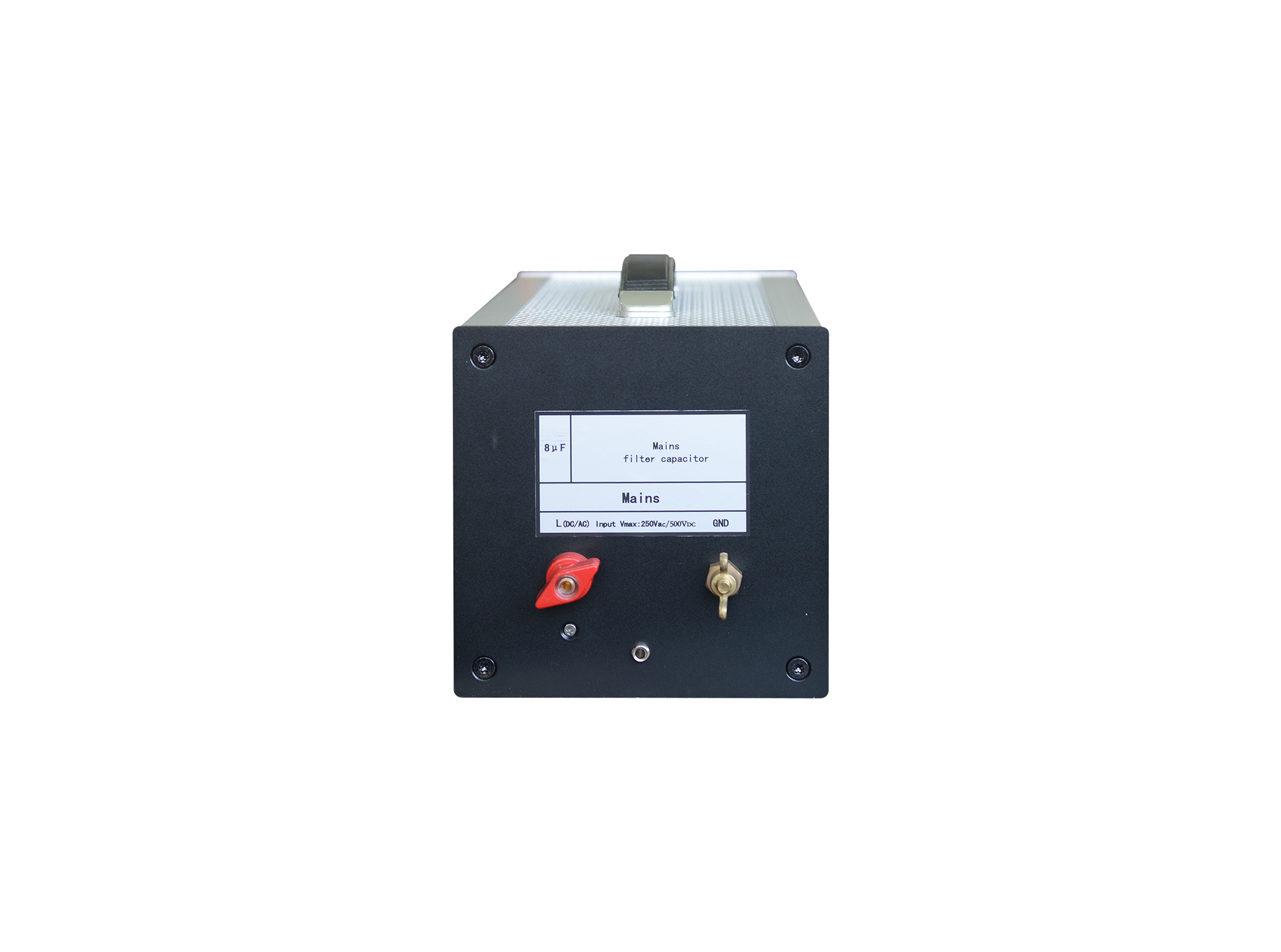
The J50 line impedance stabilization network complies to MIL-STD-461 and GJB 151. It isolates components from power supplies and measures interference of vehicles, vessels and internal combustion engines.
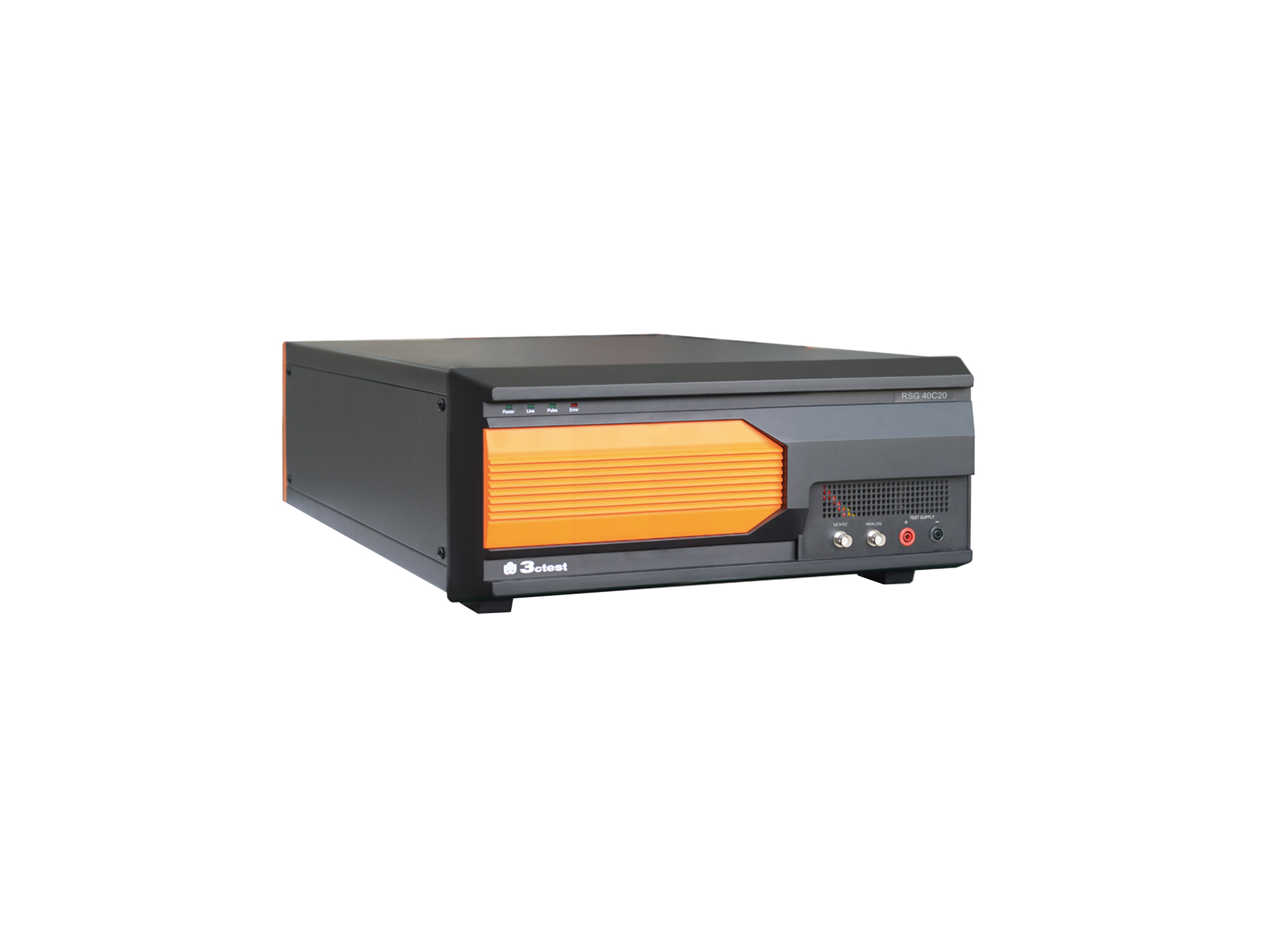
The RSG 40C20 Ripple Signal Generator complies with ISO/TS 7637-4, ISO 21498, VW 80300, GJB 151B and ISO 11452.8
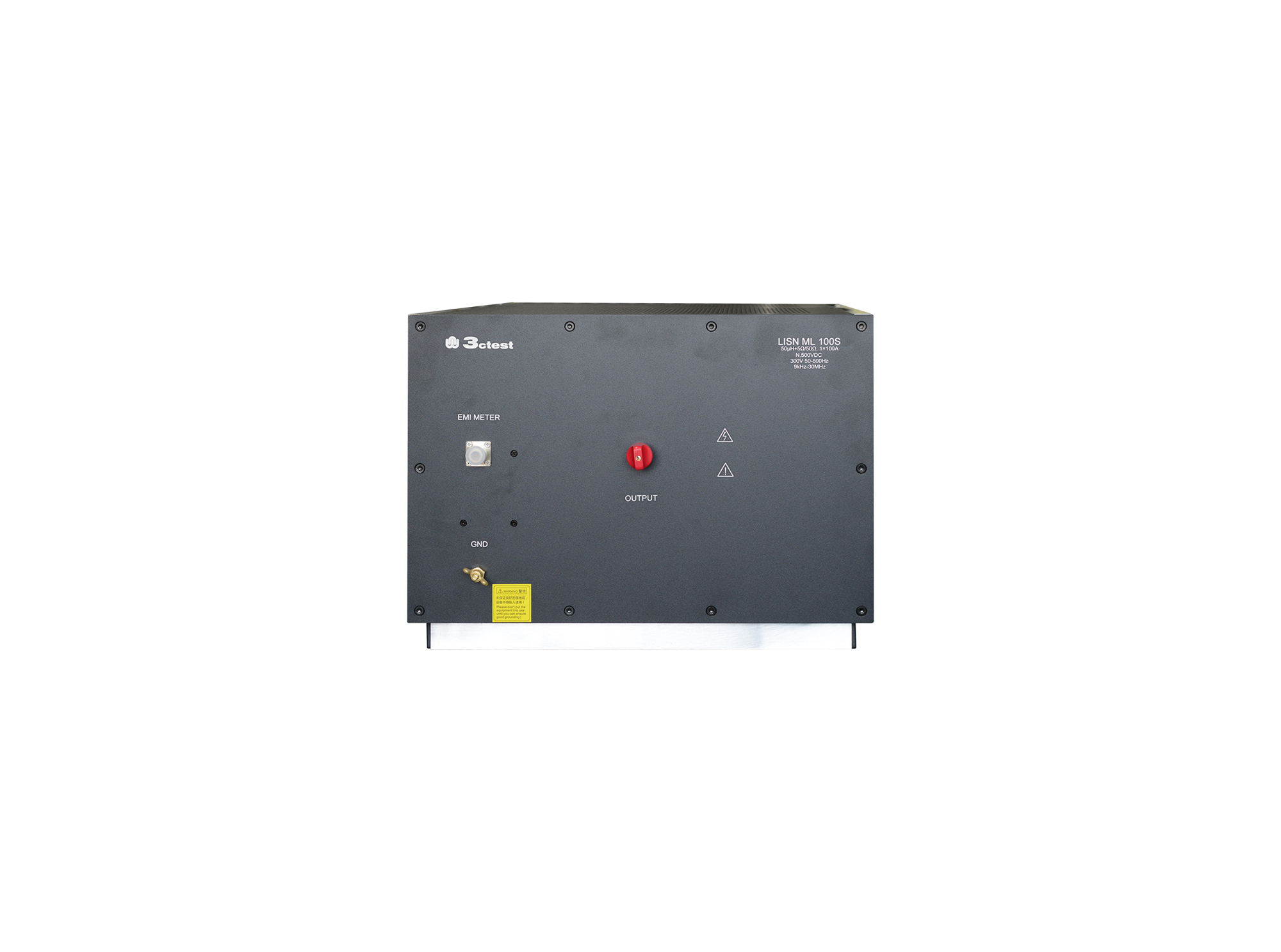
The LISN ML 100S line impedance stabilization network is designed according to MIL-STD-461 and GJB 151. Designed for conducted emission test, it isolates power interference and provides the specified power impedance to EUT.
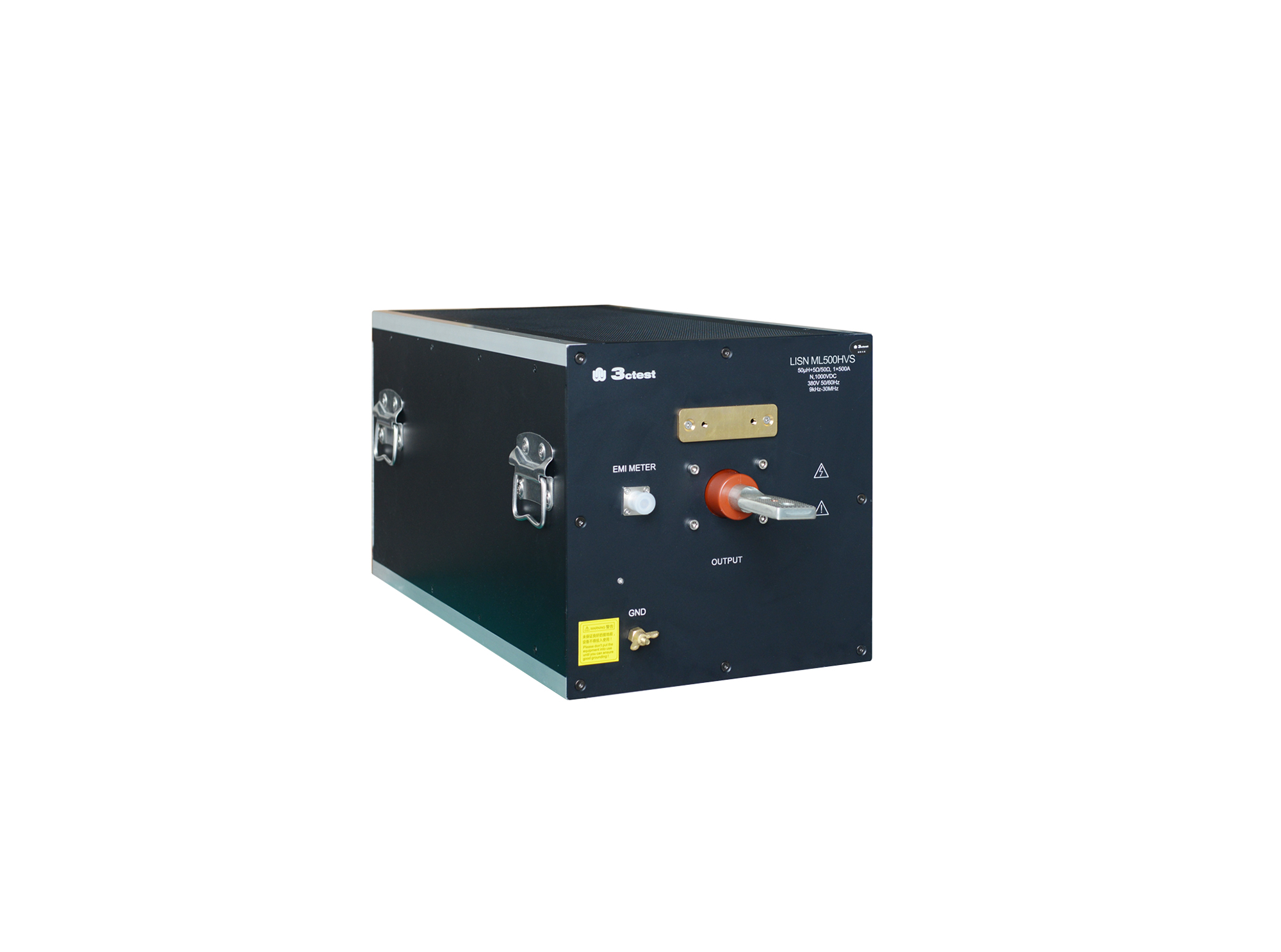
The LISN ML 500HVS Line Impedance Stabilization Network is designed in accordance with GJB 151B and MIL-STD-461.
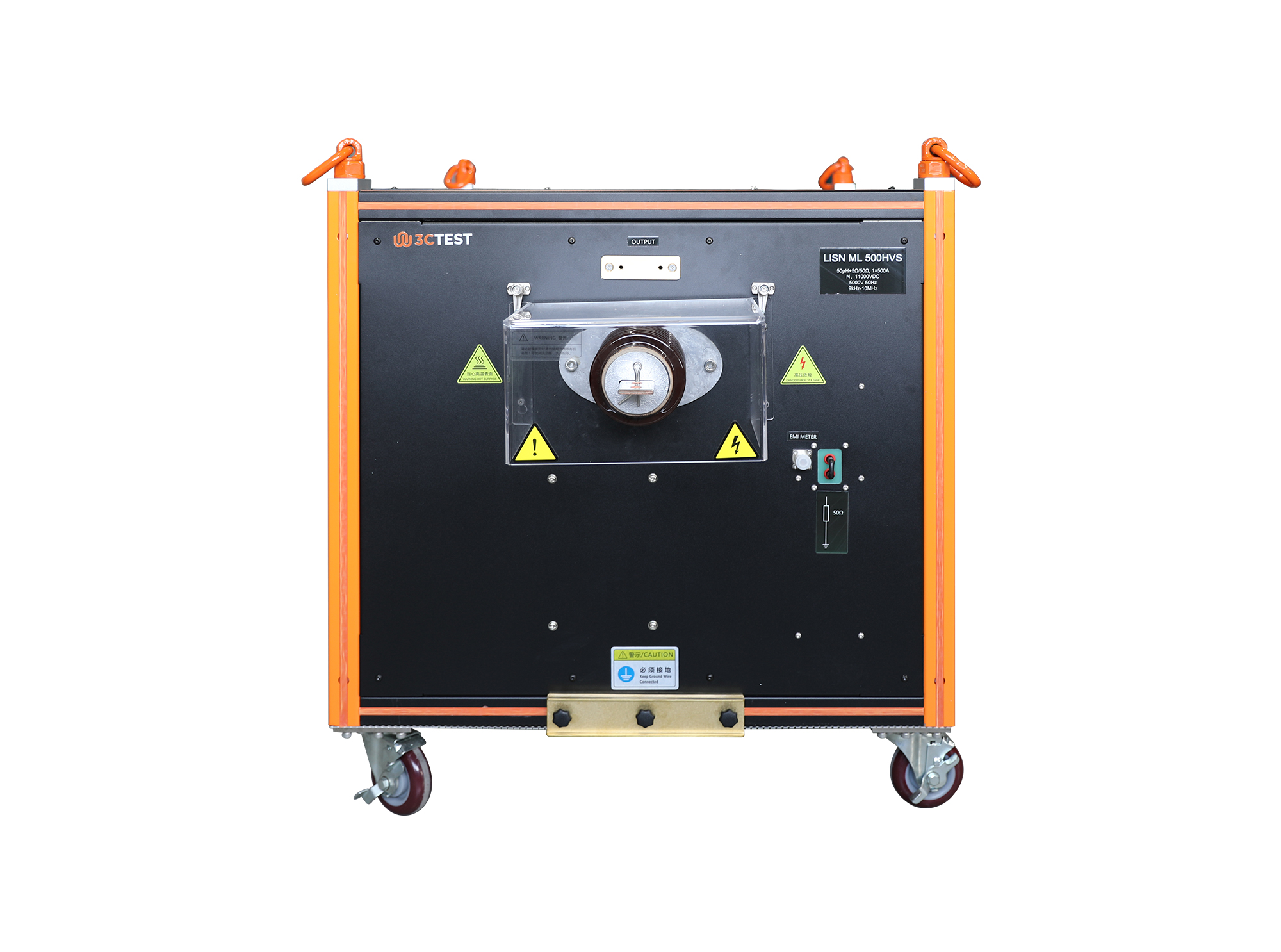
The LISN ML 500HVS line impedance stabilization network is designed according to GJB 151B/C and MIL-STD-461E.
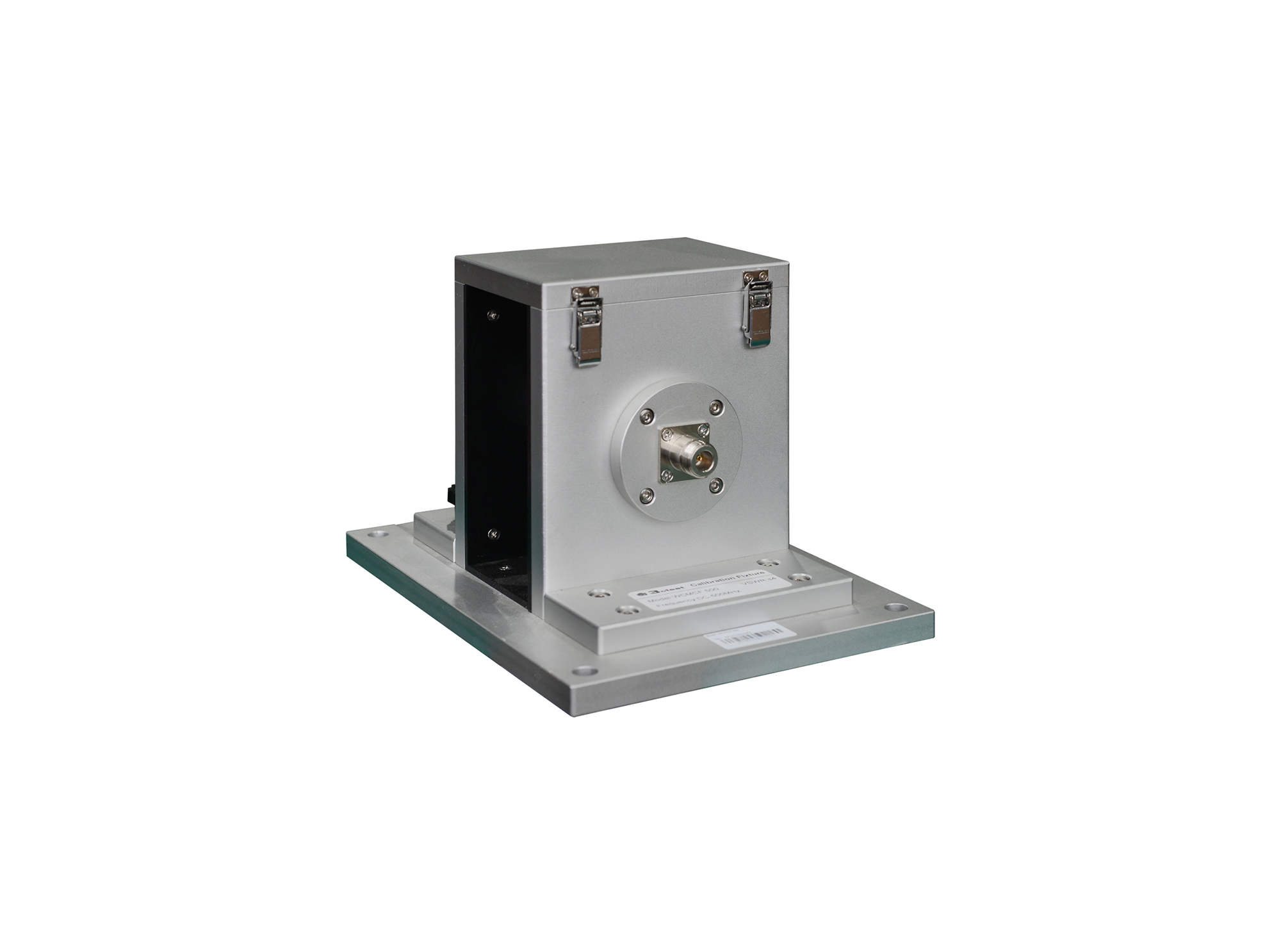
The WCMCF 500 wideband current monitor calibration fixture is designed with 50Ω TEM waveguide structure.
The RSG 40C20 Ripple Signal Generator complies with ISO/TS 7637-4, ISO 21498, VW 80300, GJB 151B and ISO 11452.8
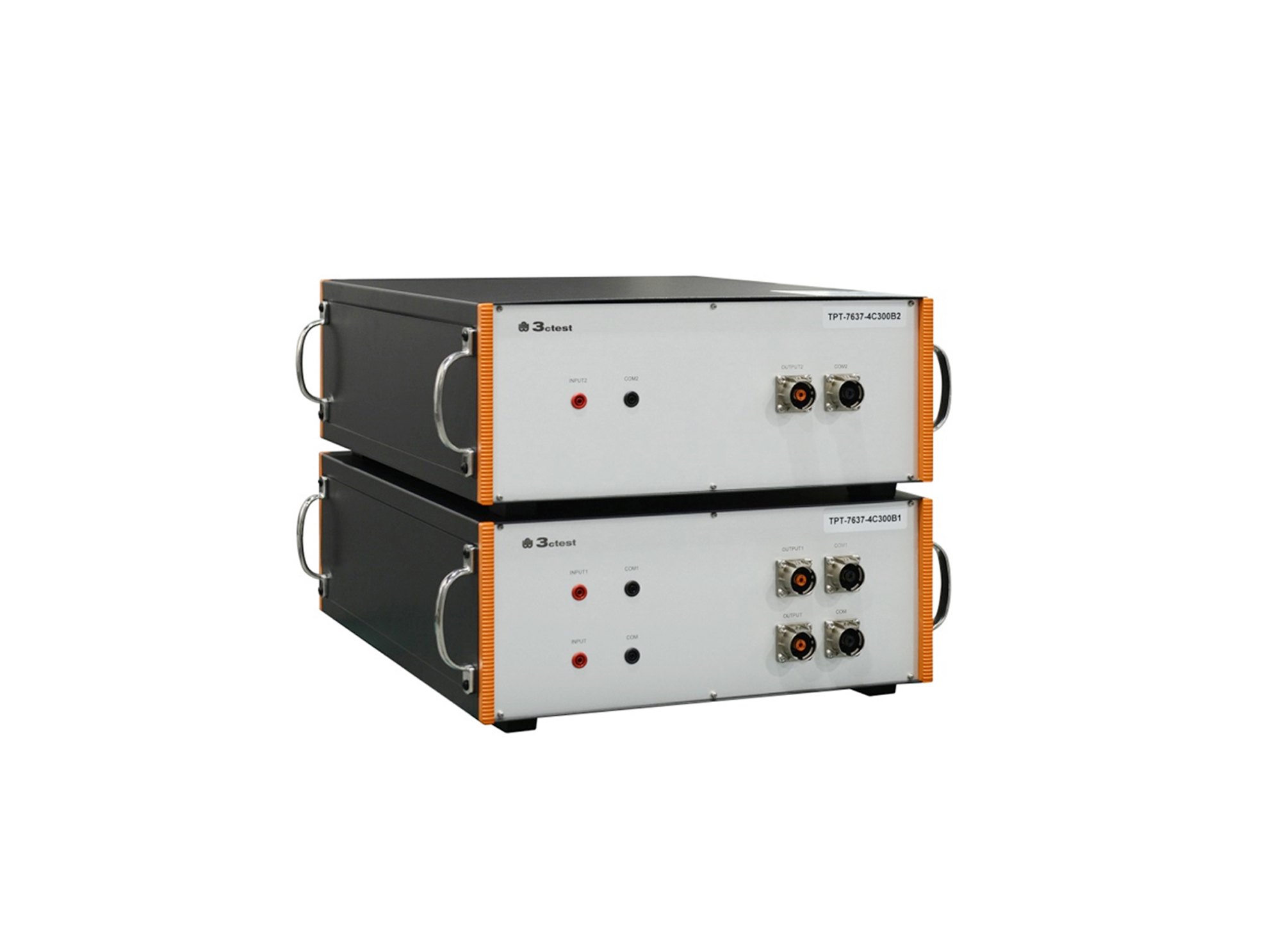
The TPT-7637-4C300B1/B2 is a broadband coupling transformer specifically designed for the Low-Frequency Sinusoidal Disturbance Pulse B transient immunity test defined in ISO 7637-4.
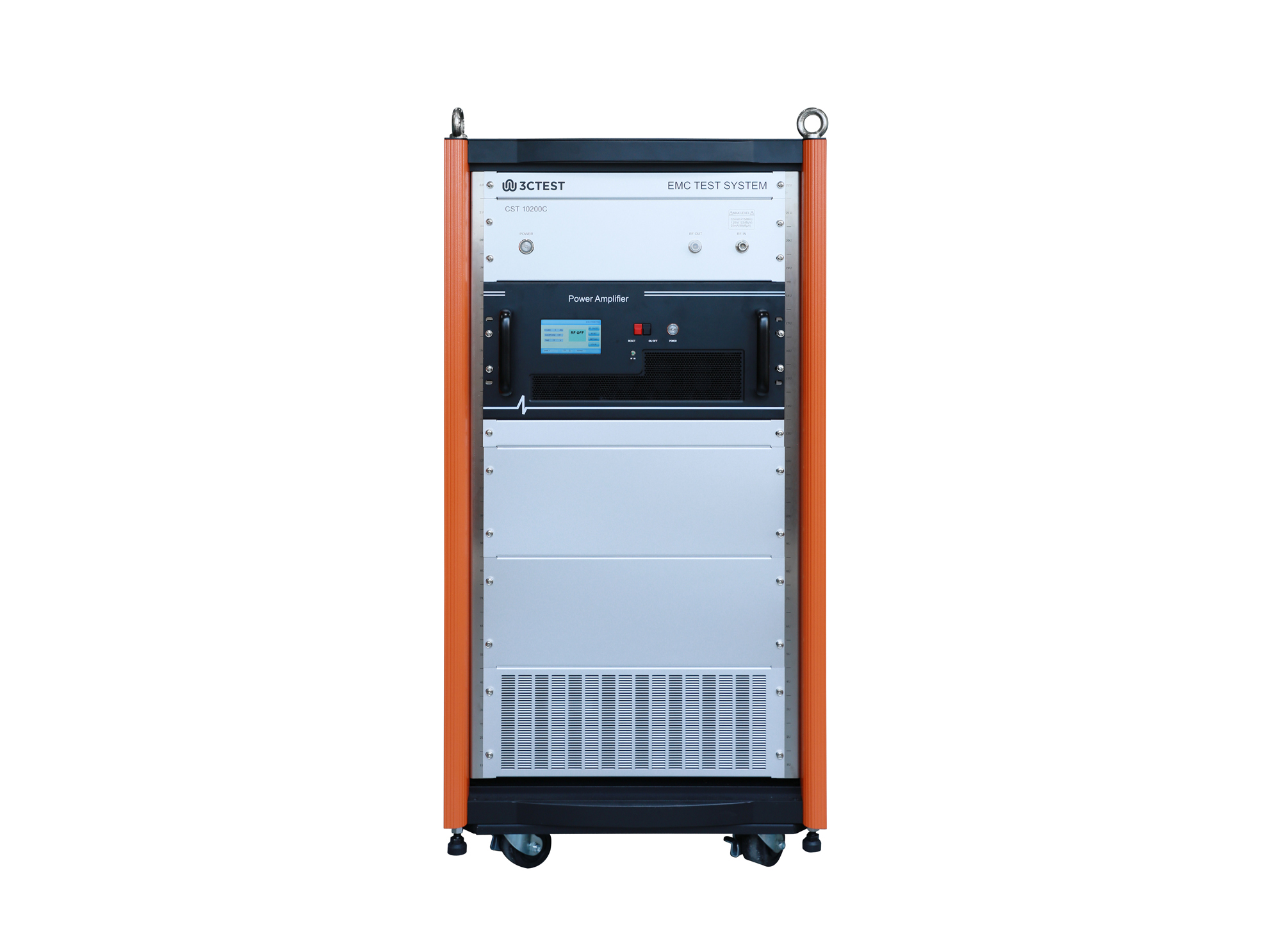
The CST 10200C conducted immunity test system is an integrated automatic test system in accordance with MIL-STD-461H, MIL-STD-461G and RTCA DO-160, specifically for cable injection conducted susceptibility testing of military electronic products.
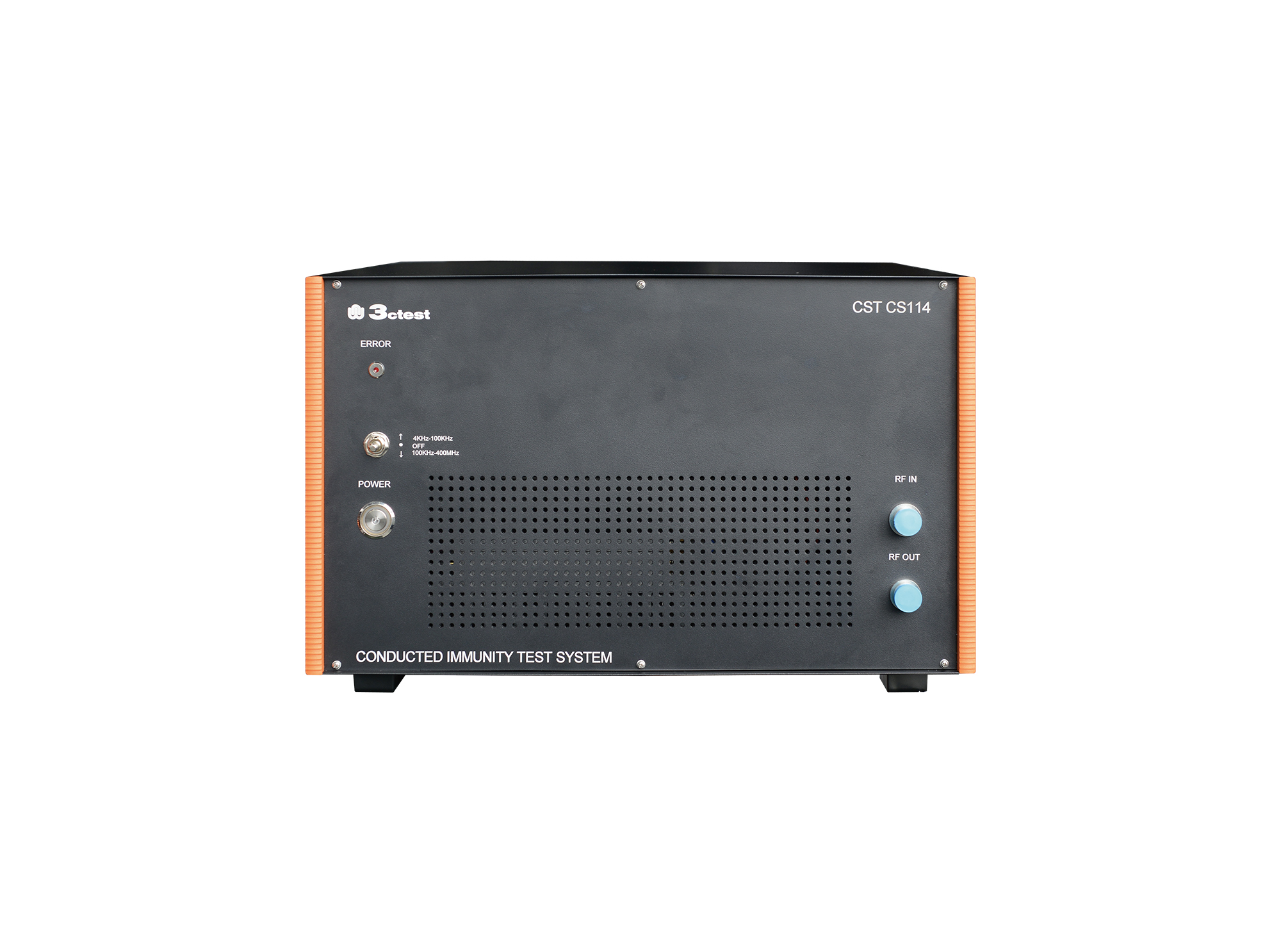
The CST CS114 conducted immunity test system is an integrated automatic test system in accordance with MIL-STD-461H, MIL-STD-461G and RTCA DO-160, specifically for cable injection conducted susceptibility testing of military electronic products.
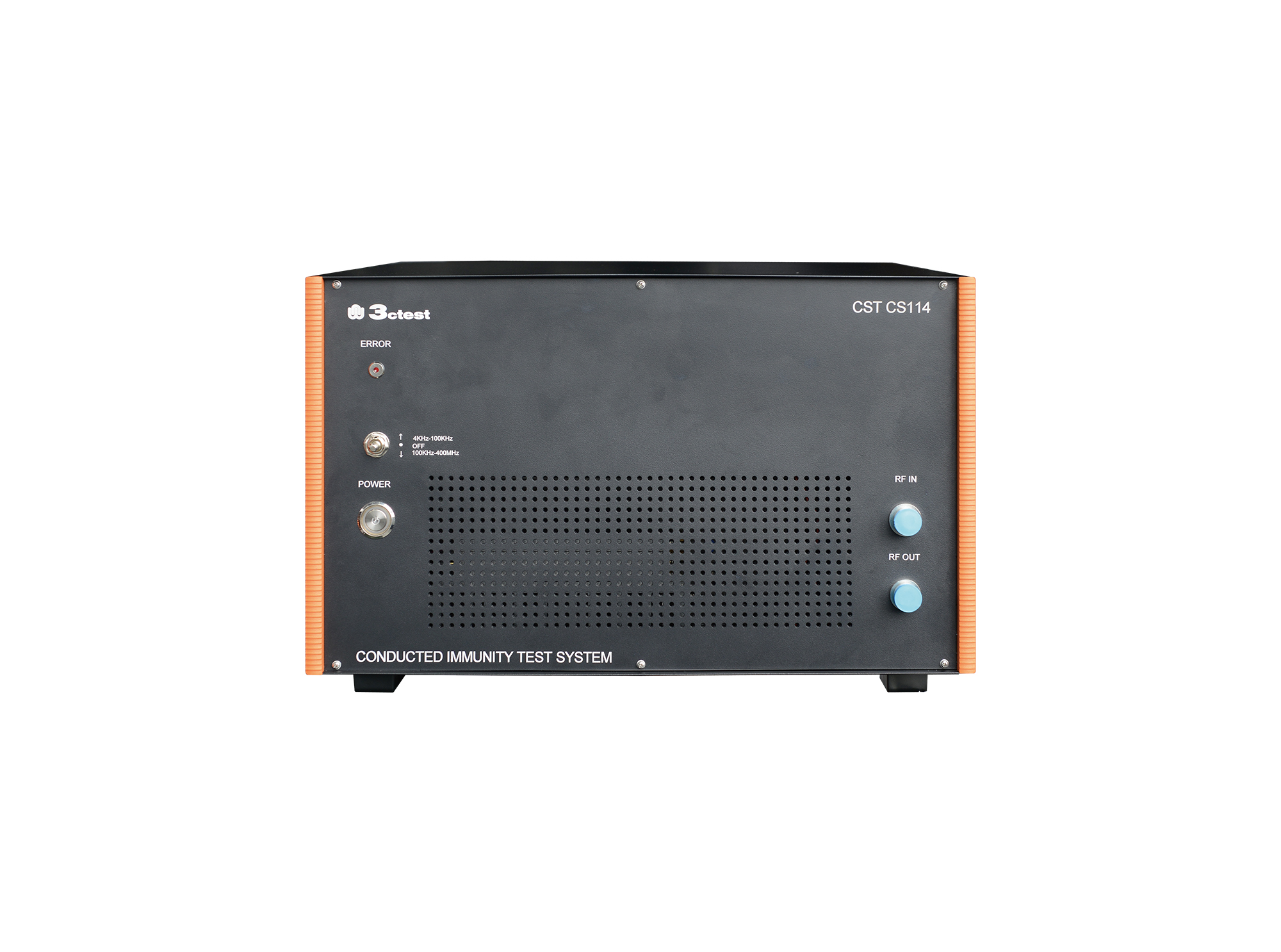
The CST CS114(2 kHz) conducted immunity test system is an integrated automatic test system in accordance with MIL-STD-461H, MIL-STD-461G and RTCA DO-160, specifically for cable injection conducted susceptibility testing of military electronic products.

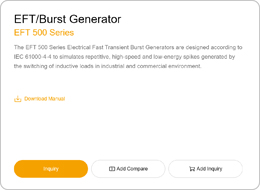
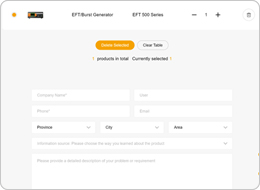
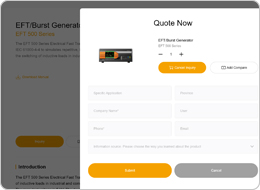
• Using the product inquiry function can help you quickly learn about the product's price and other related information.
• You can either inquire about a single product directly, or select multiple products to add to the inquiry bar and inquire about them together.
• How to make an inquiry

1. Using the product comparison function can help you find the target product you need for selection more quickly and easily.
2. You can add up to 5 products for comparison. Product models and parameters may vary across different series. It is recommended to compare products within the same series.
3. How to use the comparison bar.

 Phone: +86-512-68413700
 Email: info@3ctest.cn
 Address:No.99 E'meishan Rd, SND, Suzhou, Jiangsu, 215153, China,Suzhou, Jiangsu, 215153, China



© 2025 Suzhou 3CTEST


 Leave a Message