
High frequency recommended vocabulary
UL 1449 is the North American safety standard for surge protective devices, and it plays a role in the United States and Canada that is different from that of the corresponding international standard: rather than defining a performance characteristic for a designer to select against, it is a safety standard applied by a certification body, and a device that does not carry the mark cannot normally be installed in a listed assembly. Its best known contribution is the voltage protection rating, a value established under a specified test current that appears on the label and allows devices to be compared directly, and it also defines the tests that establish that a device will fail safely, which means that a device which reaches the end of its life must not overheat, rupture or create a shock hazard. The standard covers cord connected, permanently connected and receptacle type devices and draws a distinction between them in the requirements it applies.
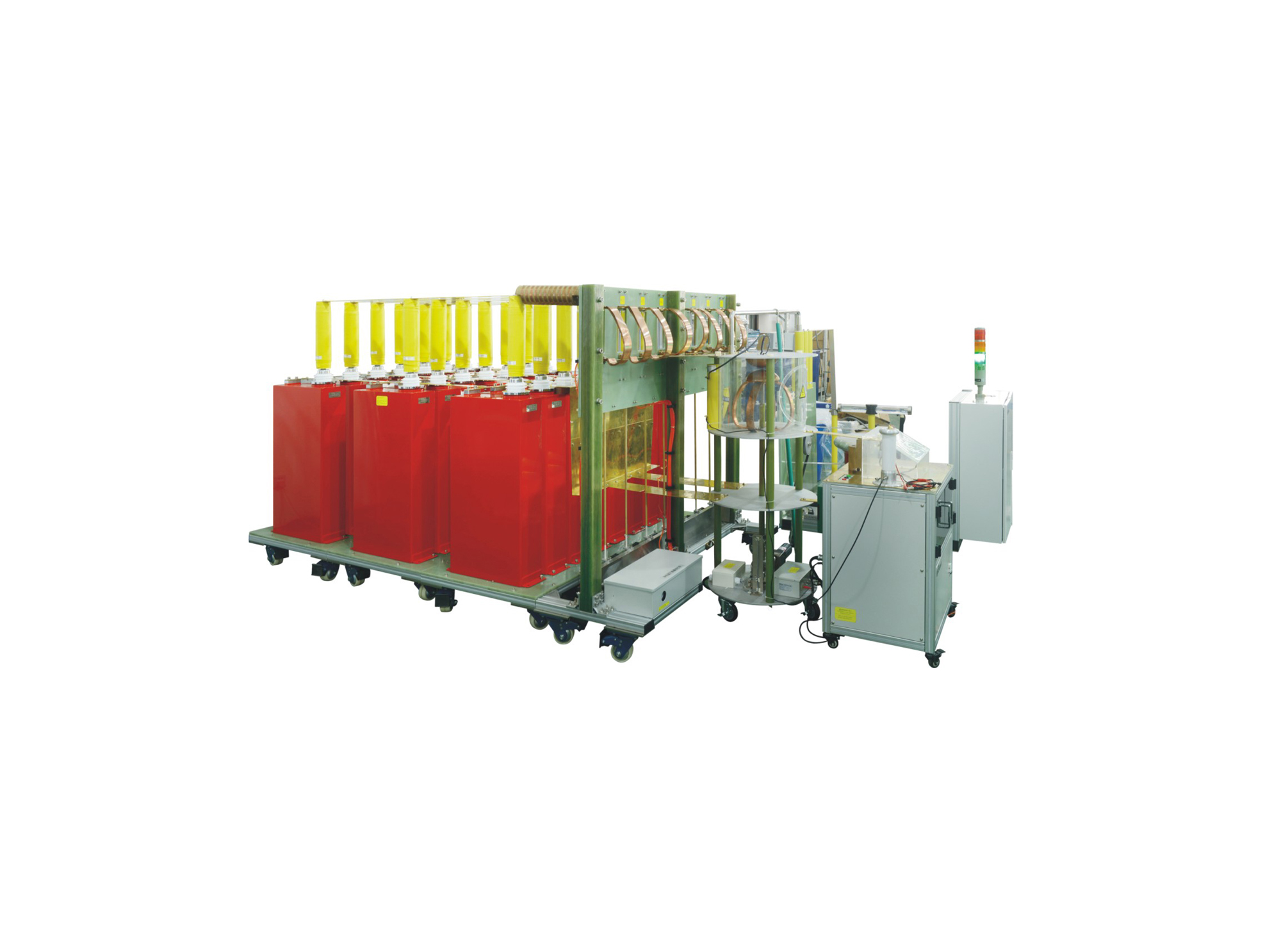
LCG M系列全自动方波冲击电流测试系统采用两路10级LC链型回路,输出持续时间约2ms方波冲击电流。本系统主要用于对氧化锌阀片(MOV)进行2ms方波冲击电流耐受试验。
LCG A系列全自动冲击电流测试系统,主要用于进行模拟雷电放电时产生的大电流浪涌,研究其对于供电系统和用电器产生的影响,本系统具有系统集成度高、控制智能化,操作简便等优点,主要用于大能量冲击电流测试。本产品通过不同主回路单元的组合,将设备输出分为多个等级,实现拓宽输出范围的测试能力。
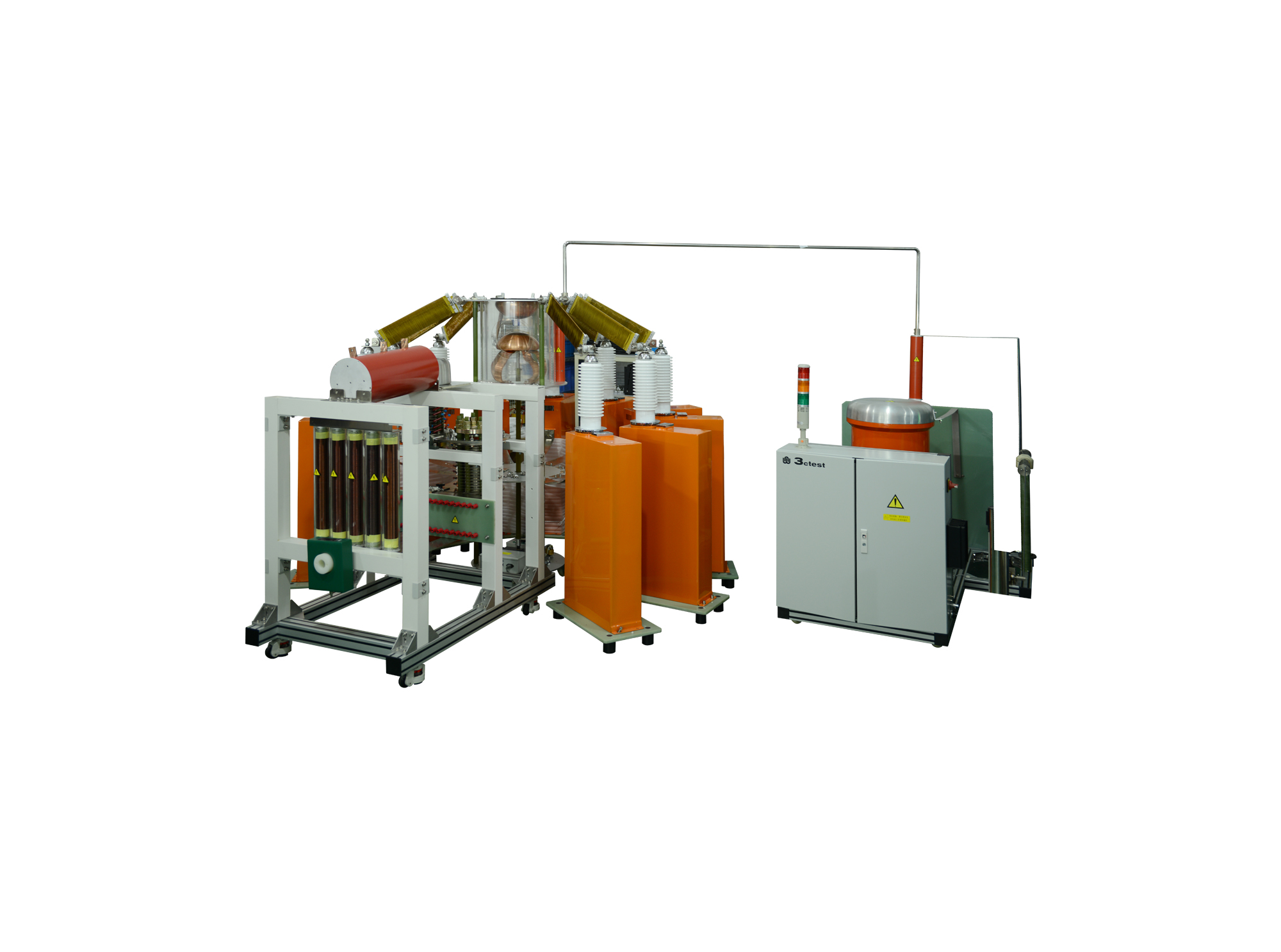
LCG S系列全自动冲电流发生器属我司自主发的冲击电流测试发生器,主要用于MOV、TVS、GDT、SPD等浪涌保护装置进行模拟雷击试验,也可用于其它的科学研究,具有系统集成度高、控制智能化,操作简便等优点。可通过主回路单元的不同组合,将输出分为多个等级,实现拓宽输出范围的测试能力。
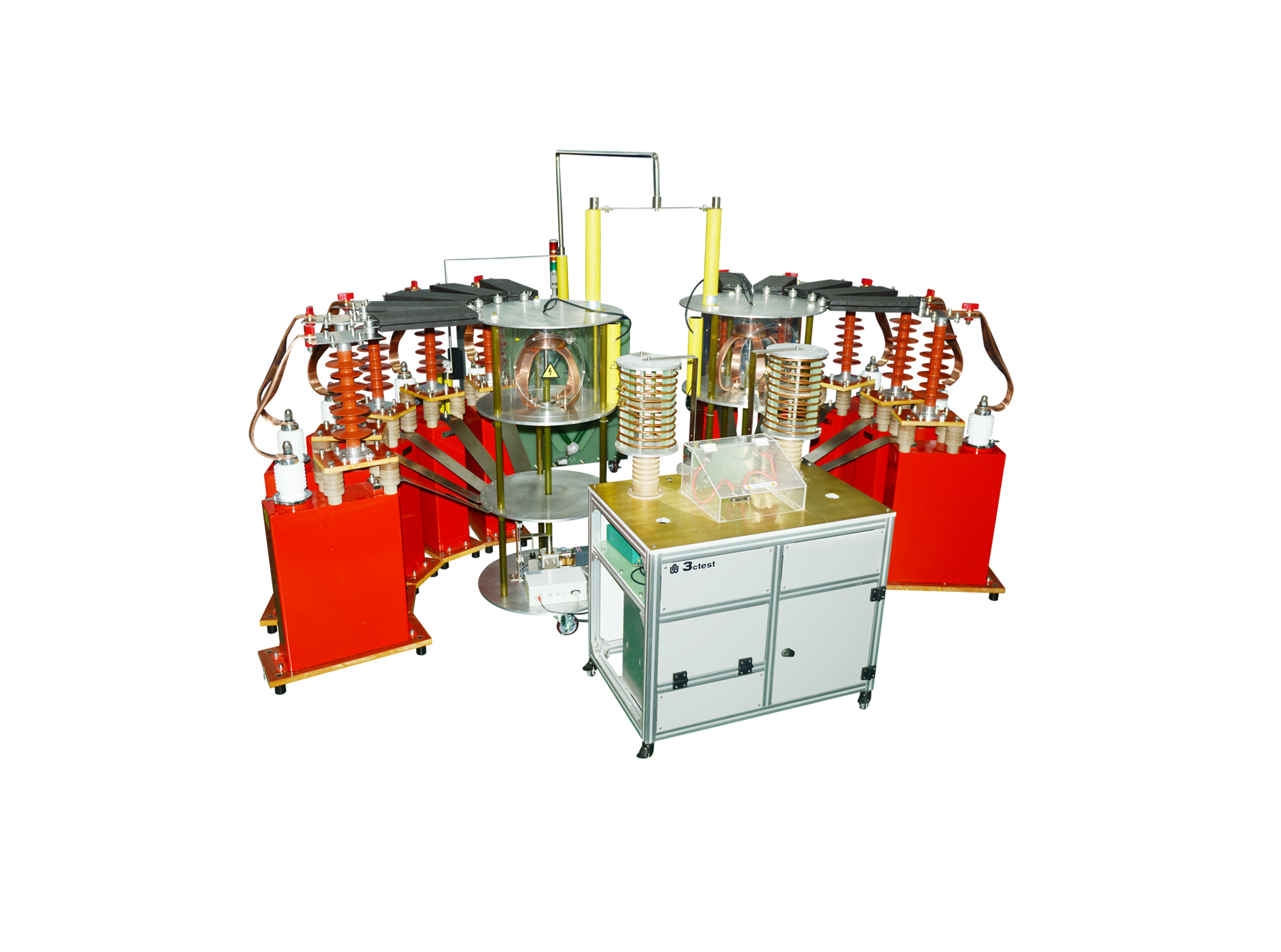
LCG D系列双路时序冲击电流发生器属我司自主发的冲击电流测试发生器,具有系统集成度高、控制智能化,操作简便等优点。本设备由两组发生器组成,分别可以输出II类放电电流波形,两组脉冲之间可按照需要进行0~99.9μs的时间延时,亦可采用并联形式输出,用以测试更大电流的被试品。

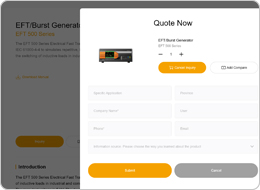
• Using the product inquiry function can help you quickly learn about the product's price and other related information.
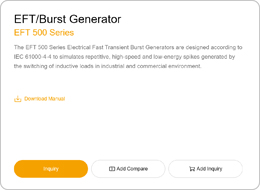
• You can either inquire about a single product directly, or select multiple products to add to the inquiry bar and inquire about them together.
• How to make an inquiry
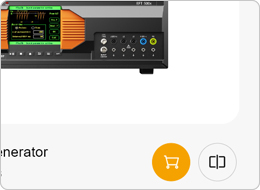
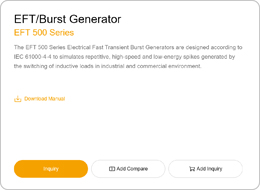
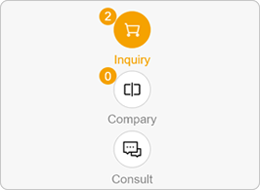
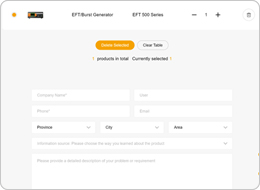
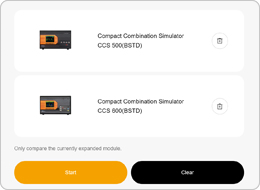
1. Using the product comparison function can help you find the target product you need for selection more quickly and easily.
2. You can add up to 5 products for comparison. Product models and parameters may vary across different series. It is recommended to compare products within the same series.
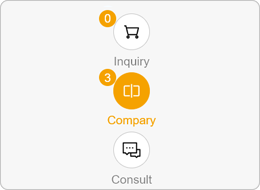
3. How to use the comparison bar.
 Phone: +86-512-68413700
 Email: info@3ctest.cn
 Address:No.99 E'meishan Rd, SND, Suzhou, Jiangsu, 215153, China,Suzhou, Jiangsu, 215153, China


© 2025 Suzhou 3CTEST


 Leave a Message