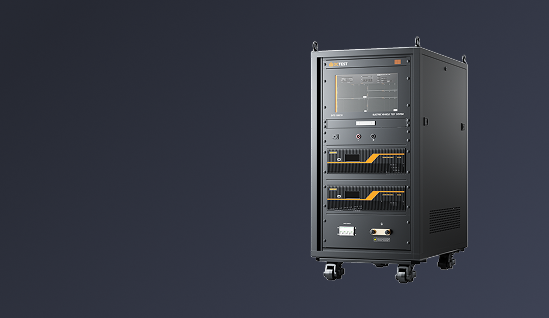

High frequency recommended vocabulary
MIL-STD-461H is the current revision of the United States military standard controlling the electromagnetic interference characteristics of subsystems and equipment, and it supersedes the previous edition. What distinguishes the two revisions in practice is less the technical content, which retains the numbered conducted and radiated emission and susceptibility items, than the administrative apparatus that surrounds the test: the requirement for an electromagnetic interference test plan to be written and approved before testing begins, the control of the test procedures actually used, the conditions under which a deviation or a waiver may be granted, and the data item descriptions that fix the content of the test report. For a supplier, the practical consequence of a revision is that a test programme approved against the earlier edition does not automatically transfer, and the applicable revision should be confirmed at contract stage rather than assumed from an earlier project.
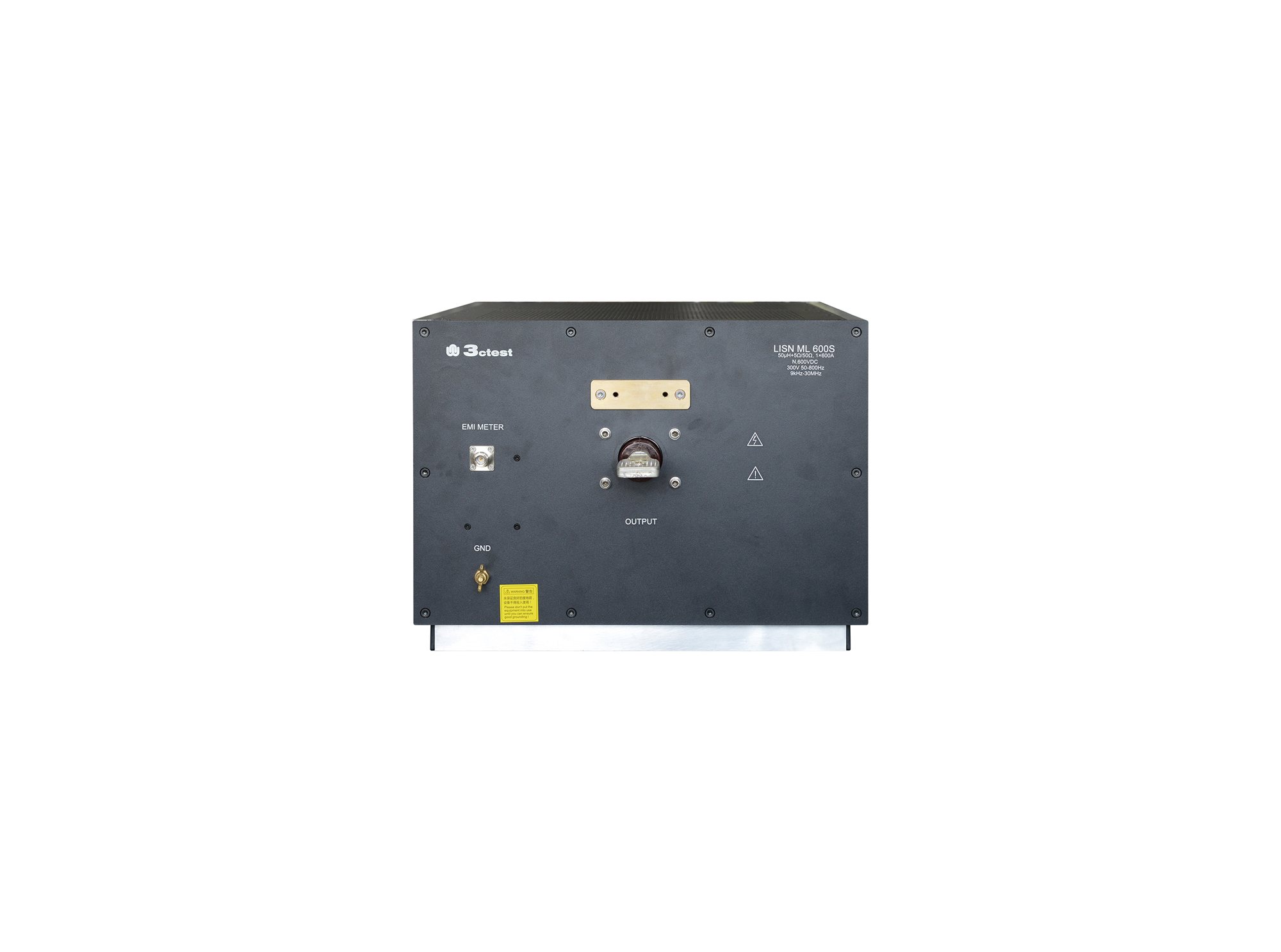
The LISN ML 600S line impedance stabilization network is designed according to MIL-STD-461 and GJB 151.
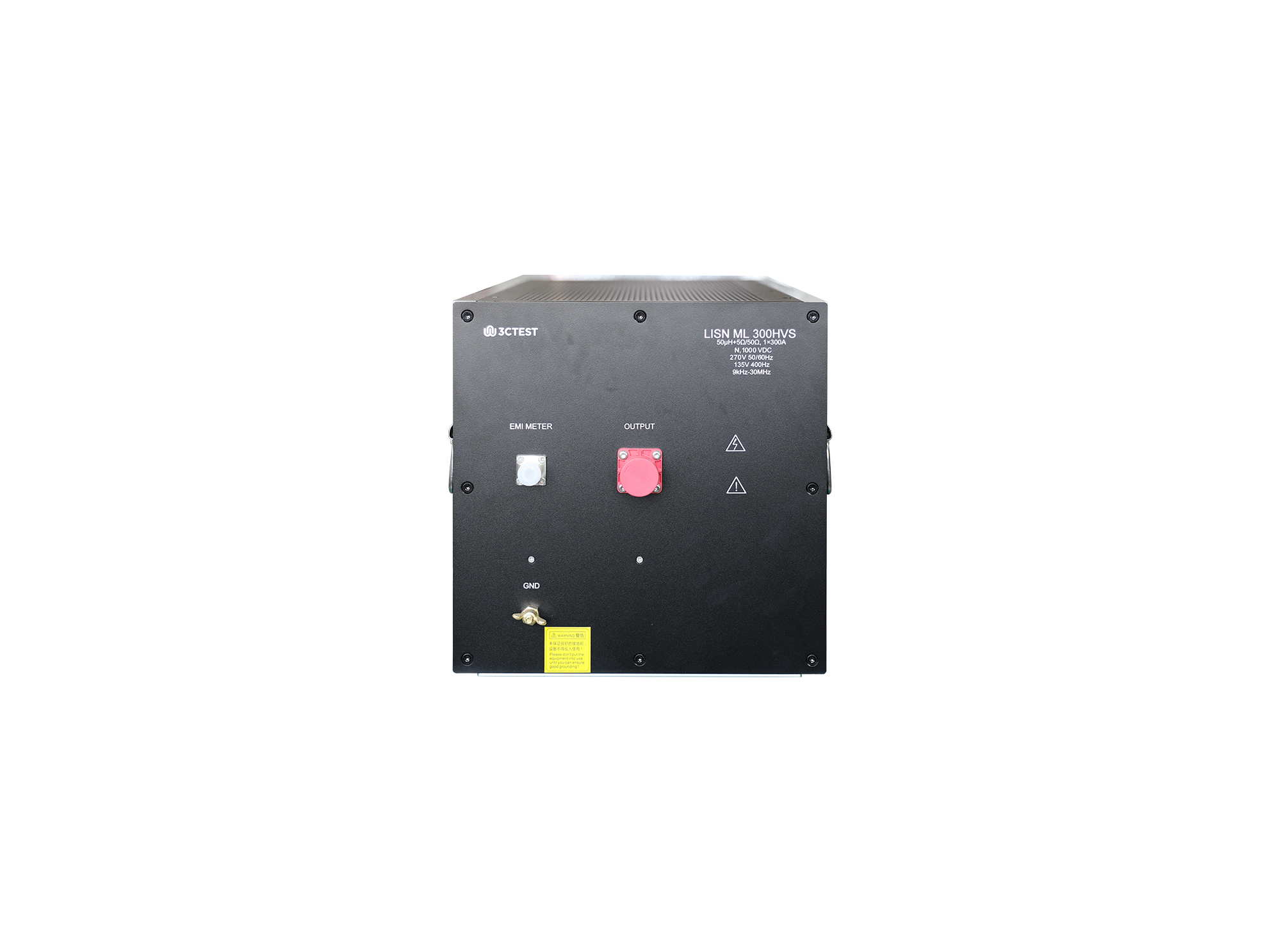
The LISN ML 300HVS line impedance stabilization network is designed according to MIL-STD-461 and GJB 151.
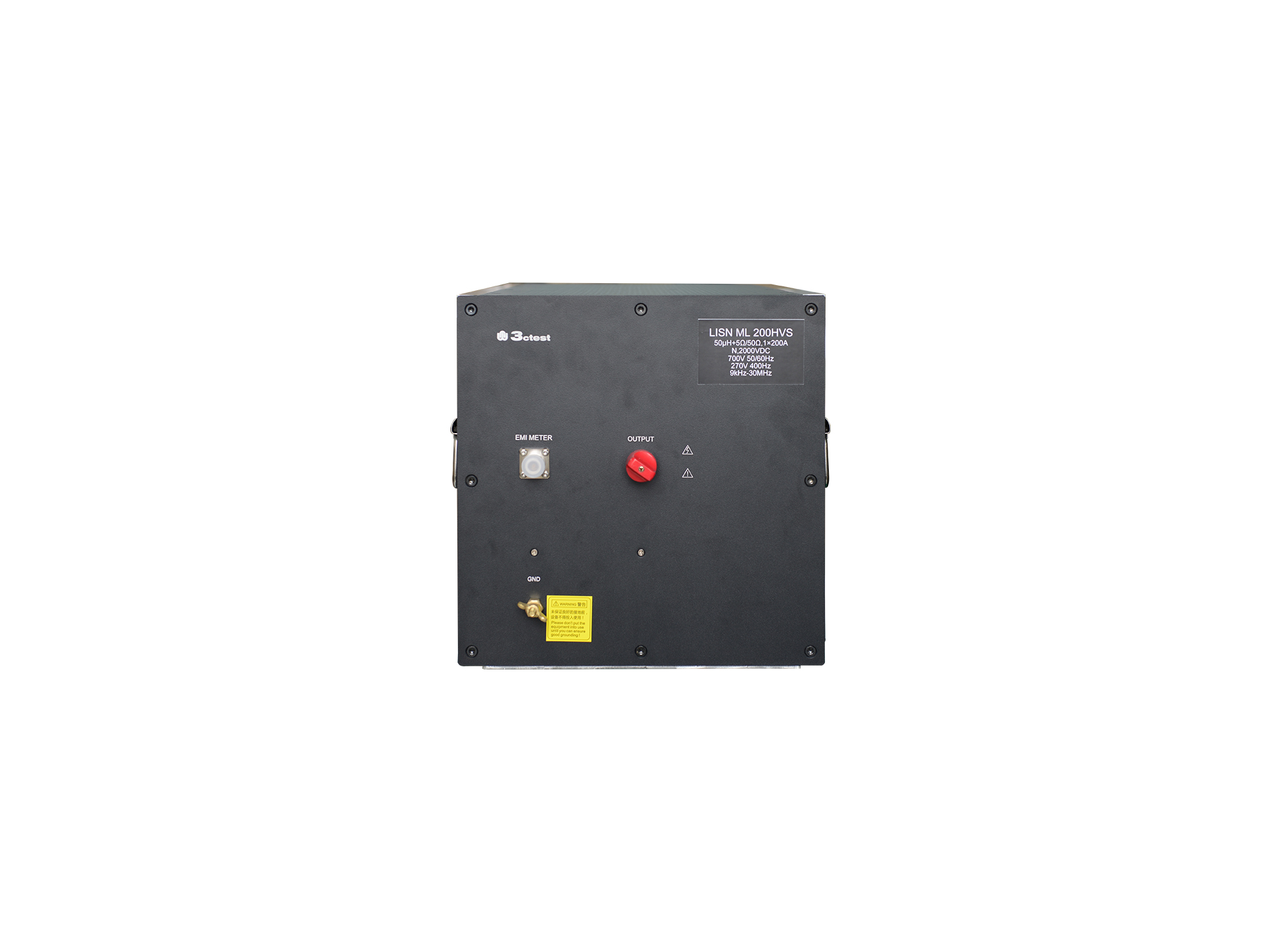
The LISN ML 200HVS line impedance stabilization network is designed according to MIL-STD-461 and GJB 151. Designed for conducted emission test, it isolates power interference and provides the specified power impedance to EUT.
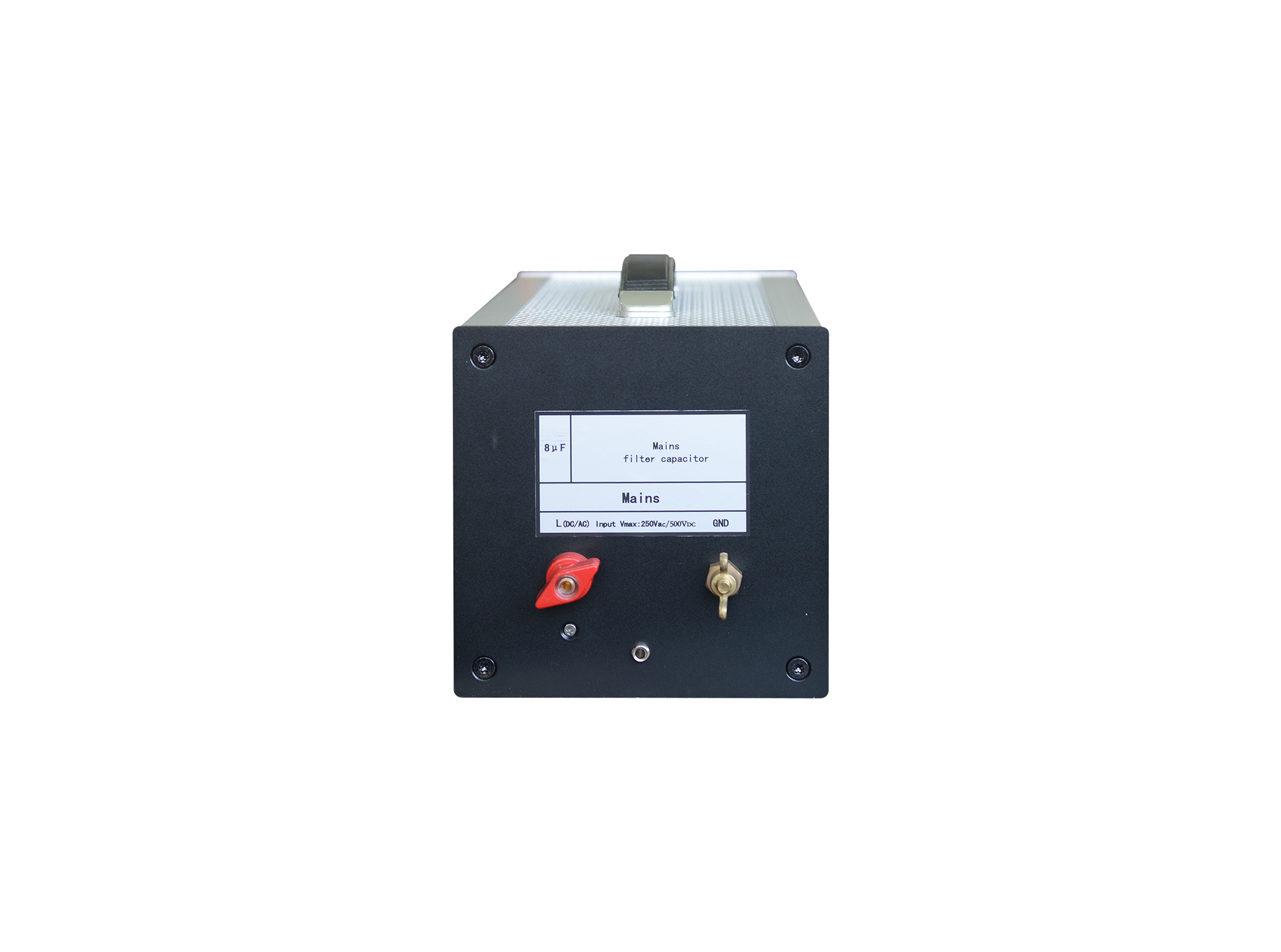
The J50 line impedance stabilization network complies to MIL-STD-461 and GJB 151. It isolates components from power supplies and measures interference of vehicles, vessels and internal combustion engines.
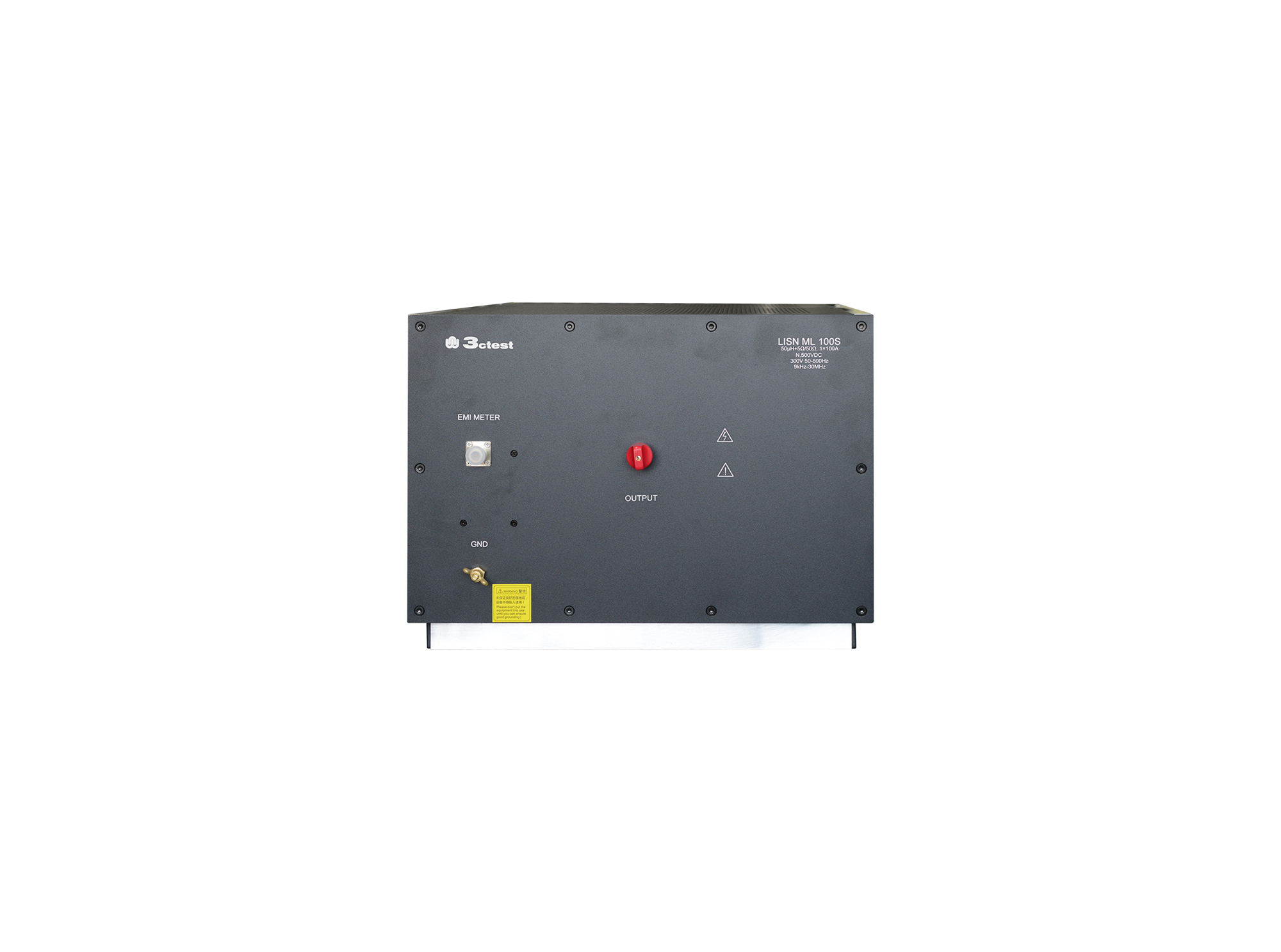
The LISN ML 100S line impedance stabilization network is designed according to MIL-STD-461 and GJB 151. Designed for conducted emission test, it isolates power interference and provides the specified power impedance to EUT.
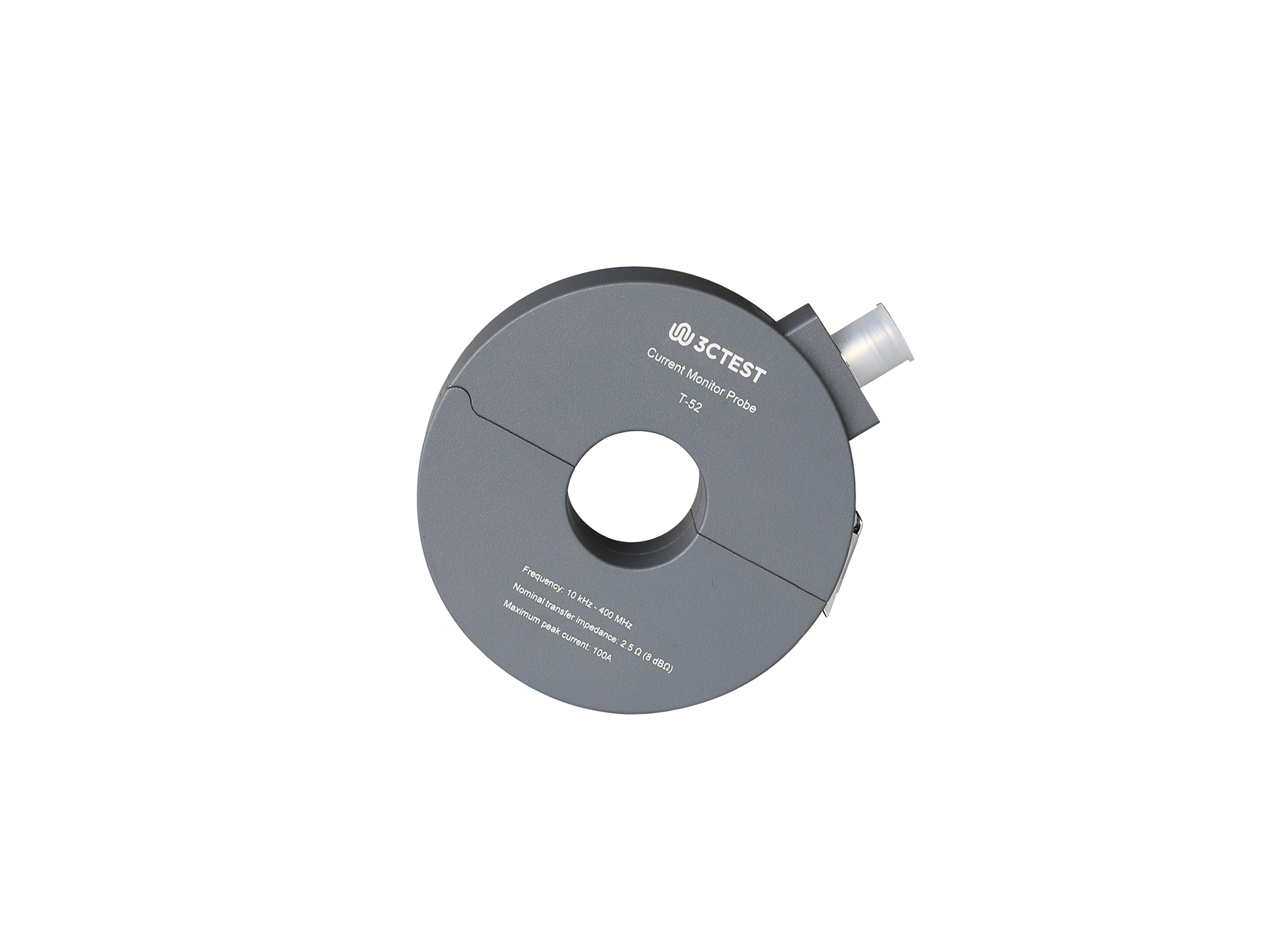
The T-52 Current Monitor Clamp complies with MIL-STD-461H, RTCA DO-160G and GJB151C-2024, and is designed for measuring high-frequency AC current and time-domain pulse current under low-frequency and DC bias.
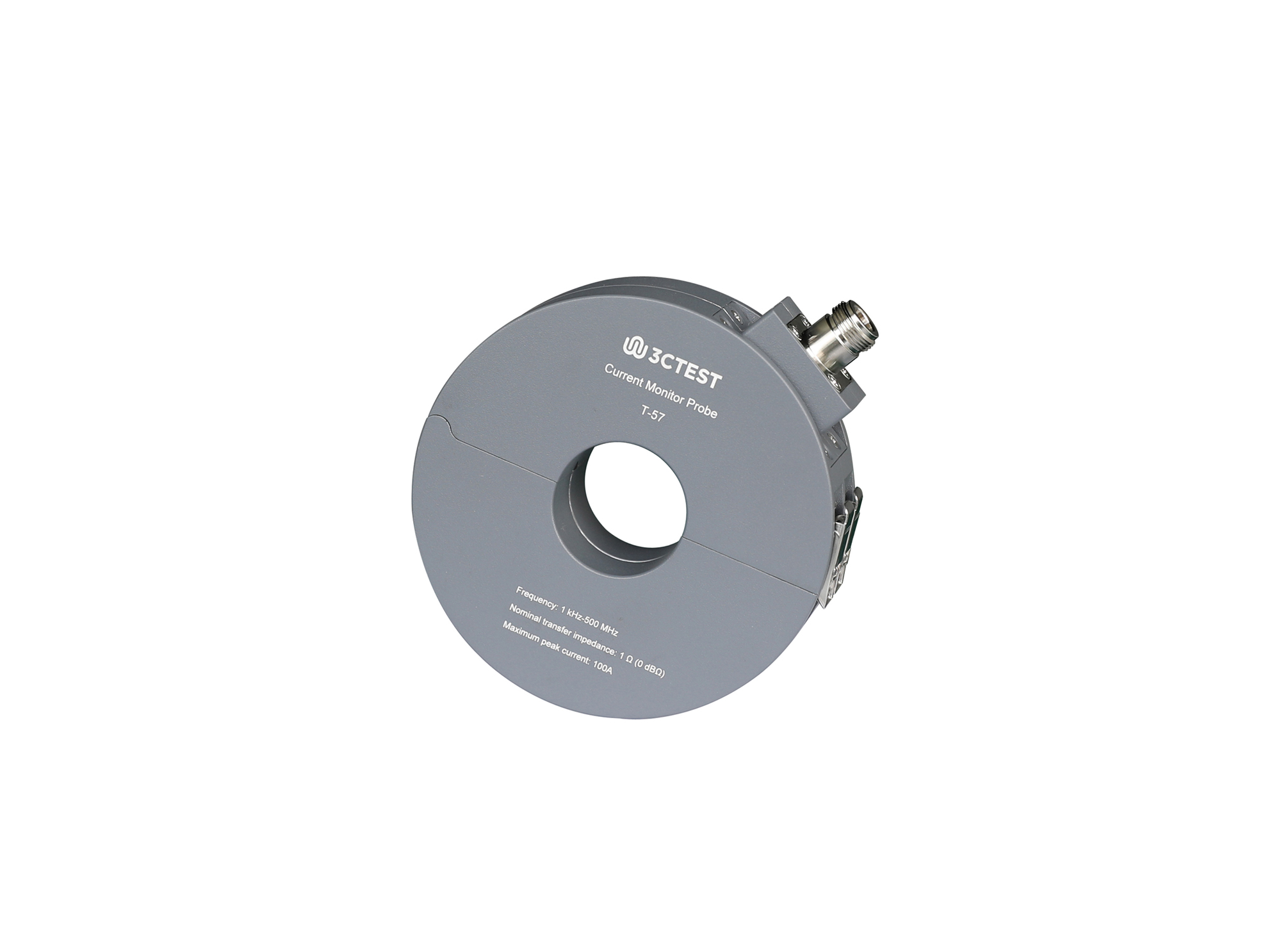
The T-57 Current Monitor Clamp complies with MIL-STD-461H, RTCA DO-160G and GJB151C-2024, and is designed for measuring high-frequency AC current and time-domain pulse current measurement under low-frequency and DC bias.
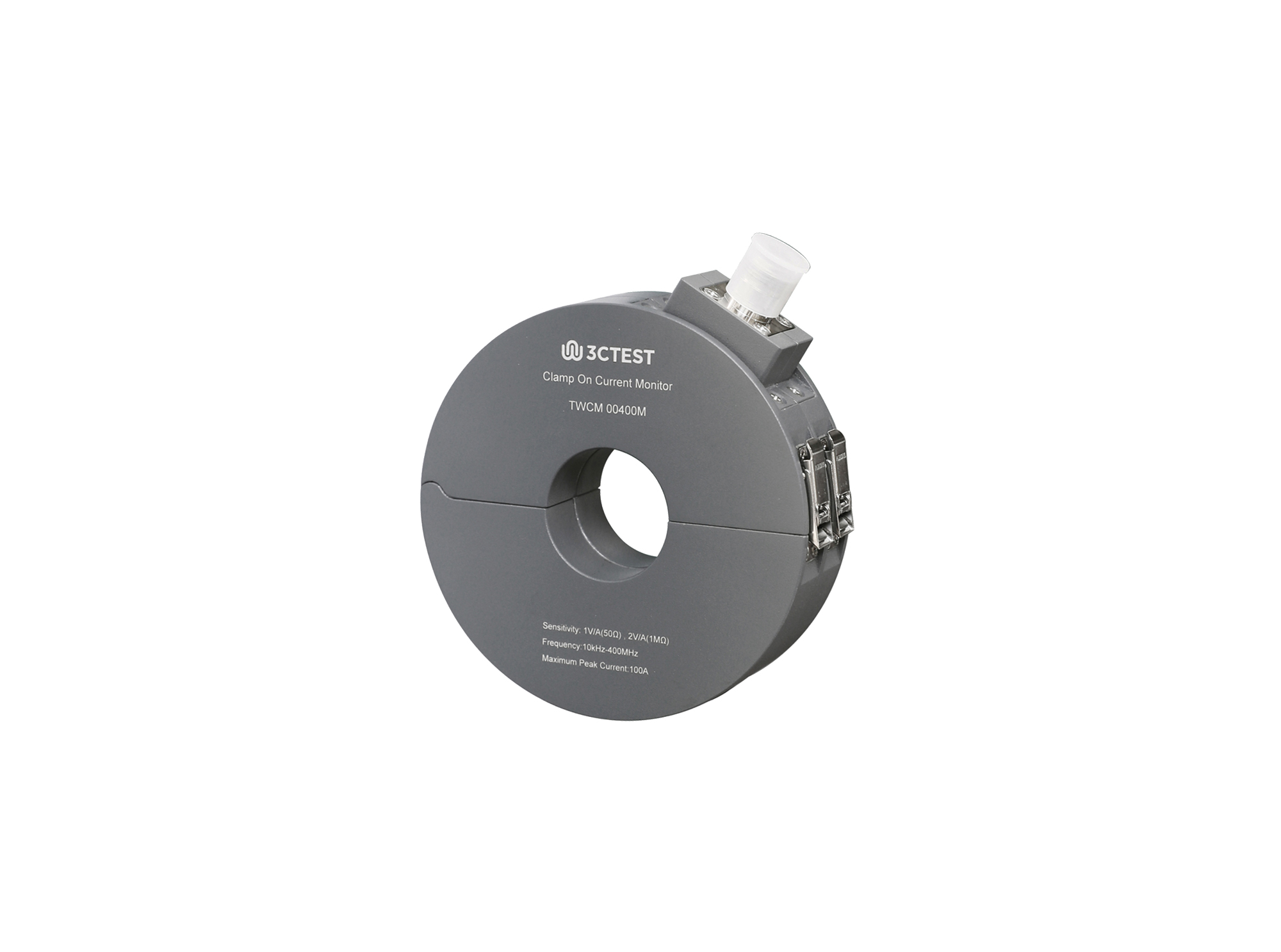
The TWCM 00400M Wideband Current Monitor Clamp complies with MIL-STD-461H, RTCA DO-160G and GJB151C-2024, and is designed to measure AC currents from 10 kHz to 400 MHz and time-domain pulse currents.
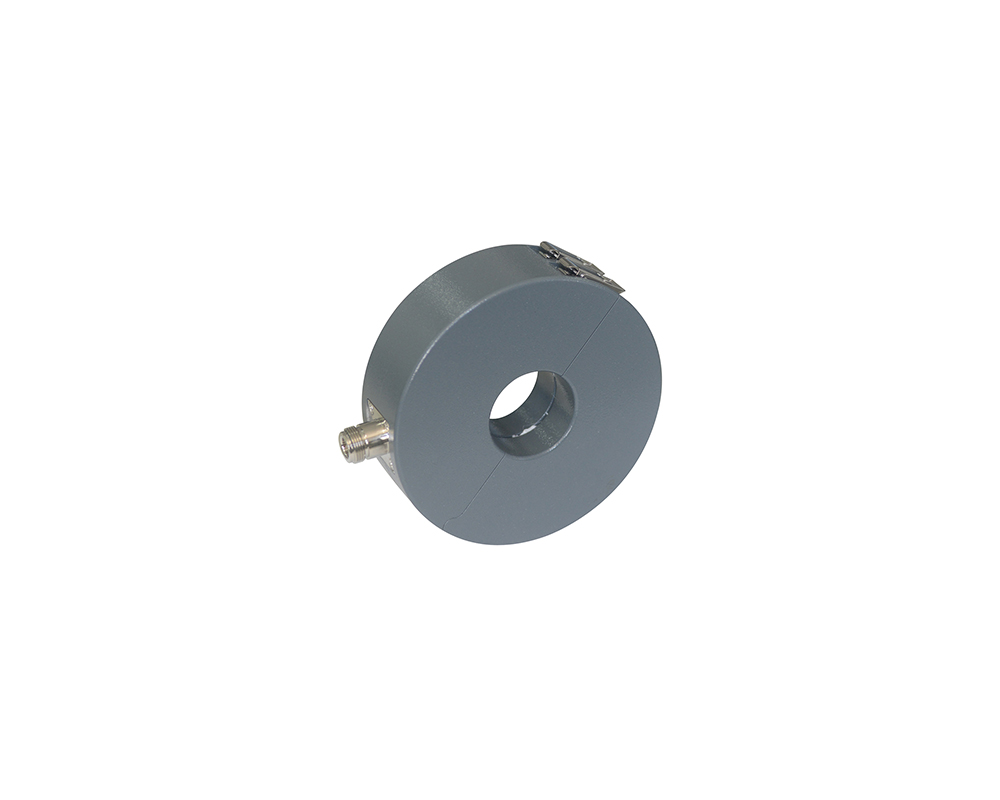
The TWCM-200 Wideband Current Monitor Clamp complies with MIL-STD-461H, RTCA DO-160G and GJB151C-2024, and is designed for the measurement of AC currents from 1 kHz to 200 MHz and time-domain pulse currents.
The TWCM-500 Wideband Current Monitor Clamp complies with MIL-STD-461H, RTCA DO-160G and GJB151C-2024, and is designed for the measurement of AC currents from 1 kHz to 500 MHz and time-domain pulse currents.
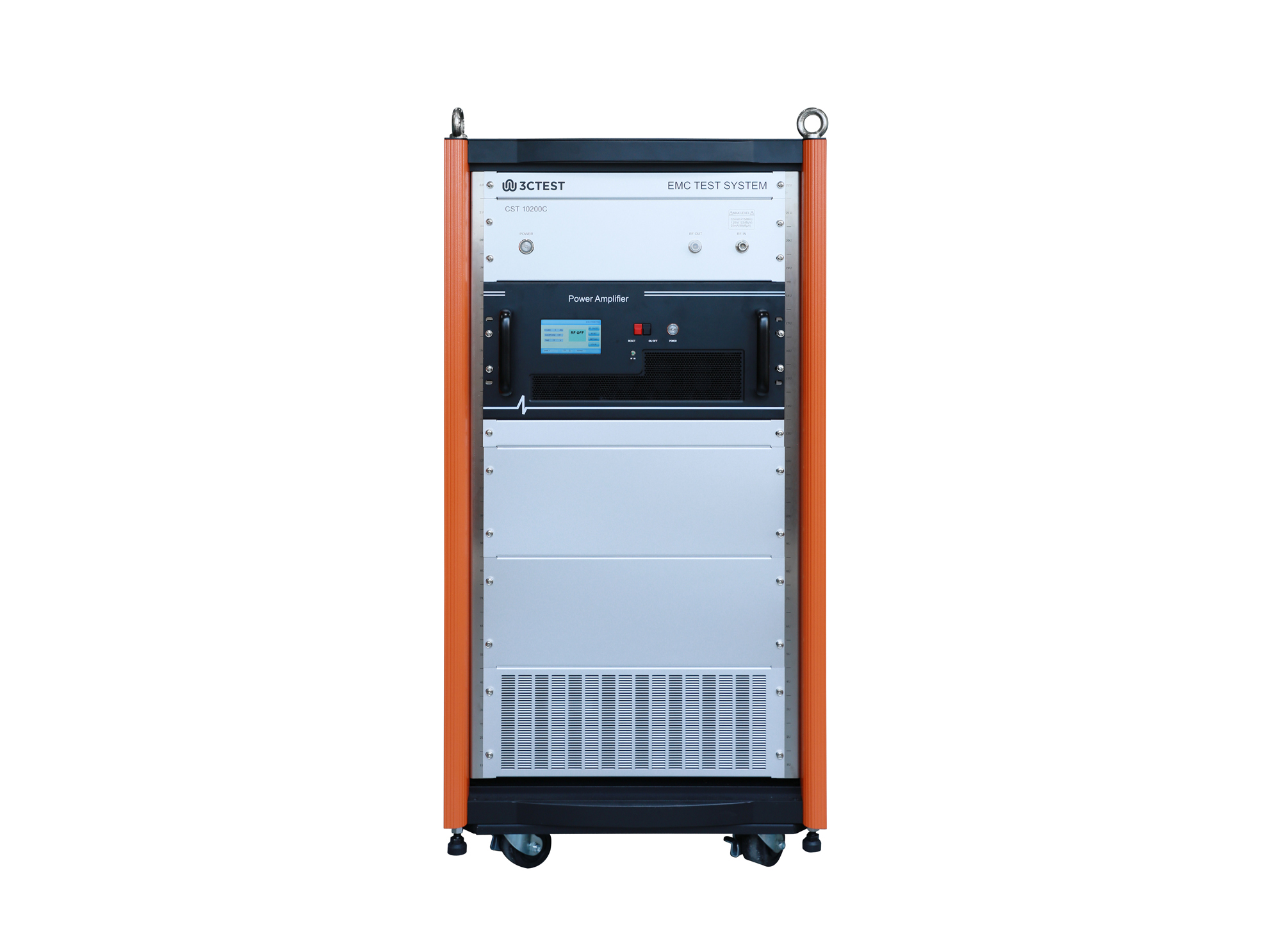
The CST 10200C conducted immunity test system is an integrated automatic test system in accordance with MIL-STD-461H, MIL-STD-461G and RTCA DO-160, specifically for cable injection conducted susceptibility testing of military electronic products.
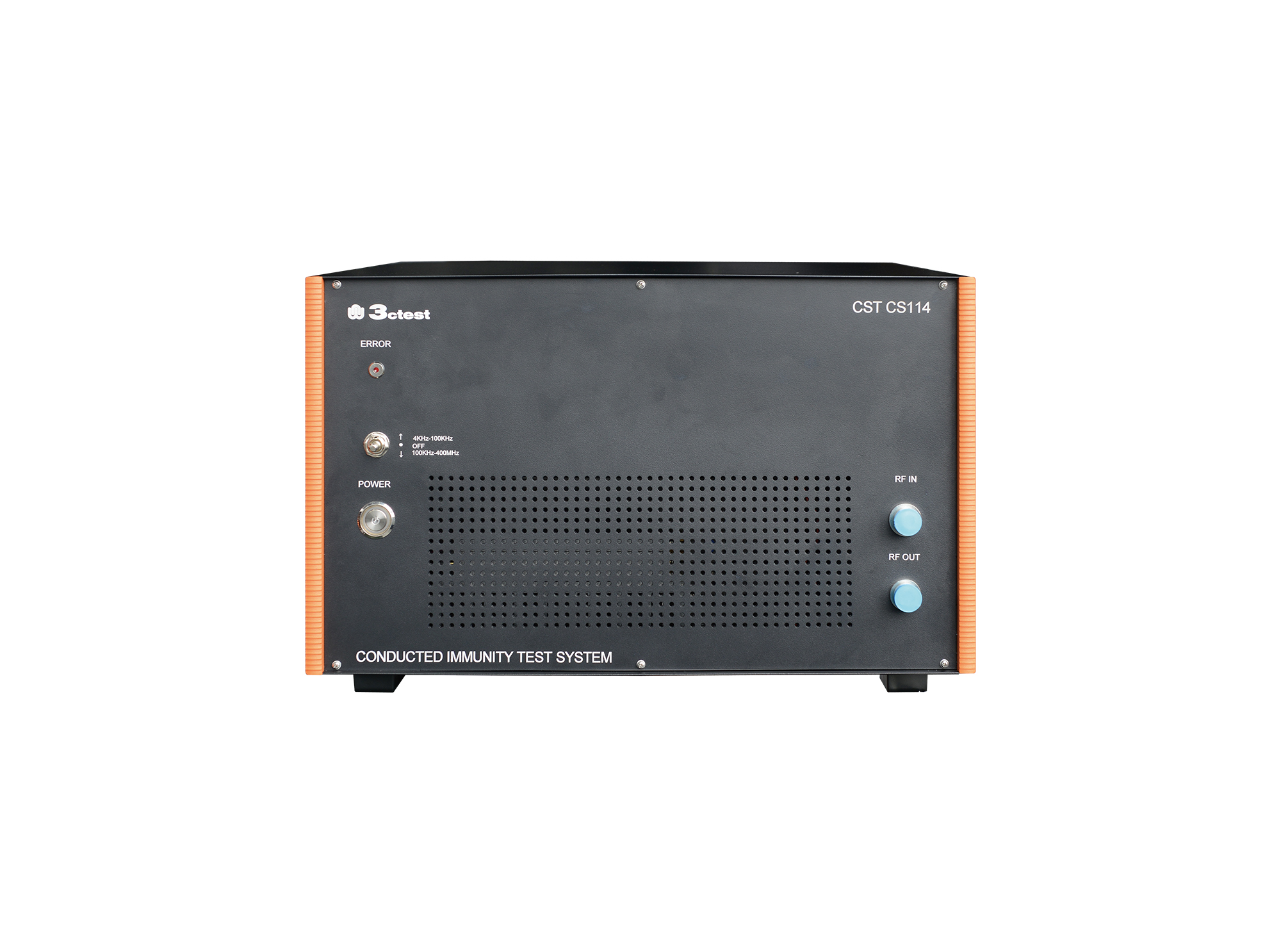
The CST CS114 conducted immunity test system is an integrated automatic test system in accordance with MIL-STD-461H, MIL-STD-461G and RTCA DO-160, specifically for cable injection conducted susceptibility testing of military electronic products.
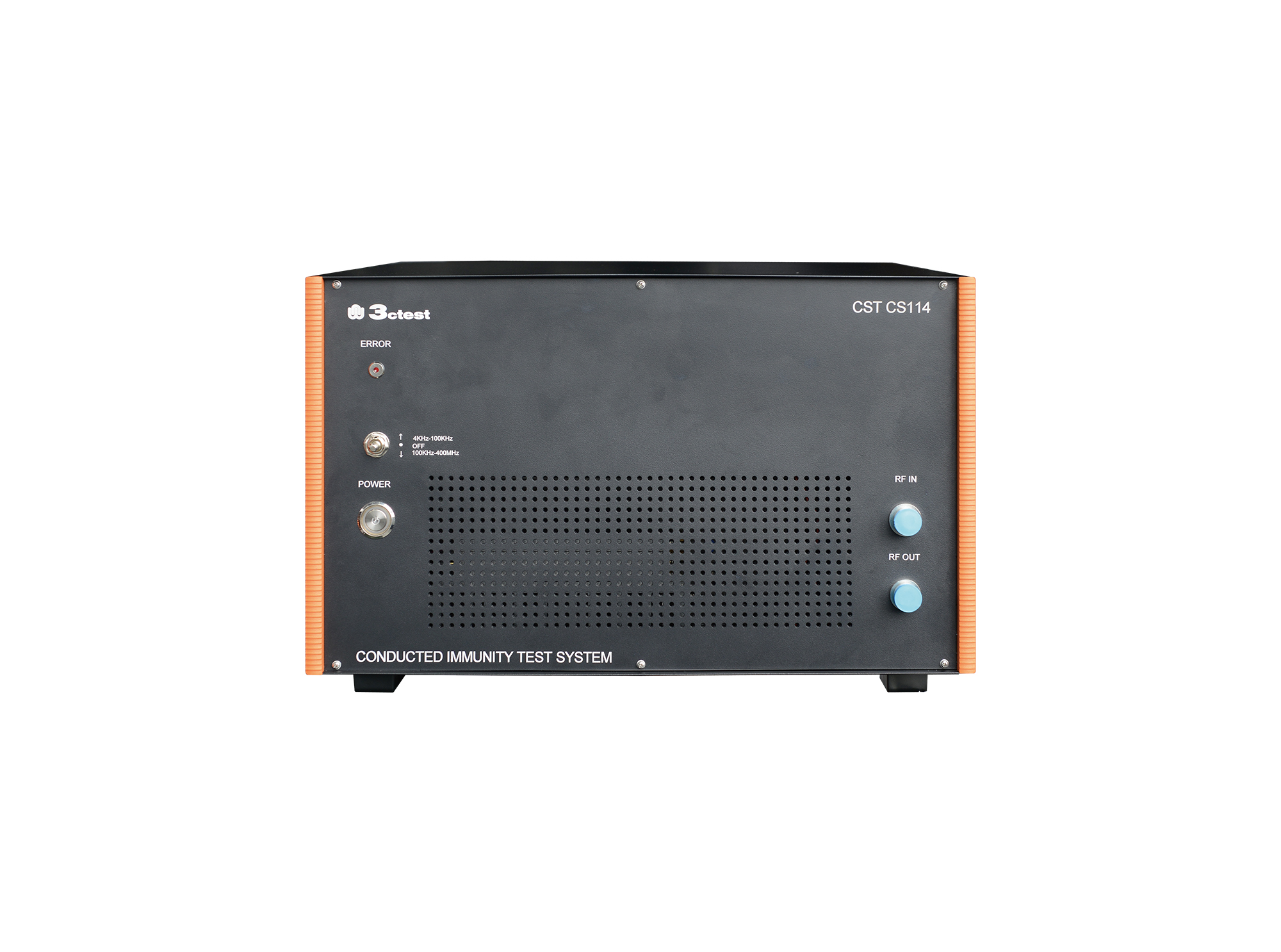
The CST CS114(2 kHz) conducted immunity test system is an integrated automatic test system in accordance with MIL-STD-461H, MIL-STD-461G and RTCA DO-160, specifically for cable injection conducted susceptibility testing of military electronic products.
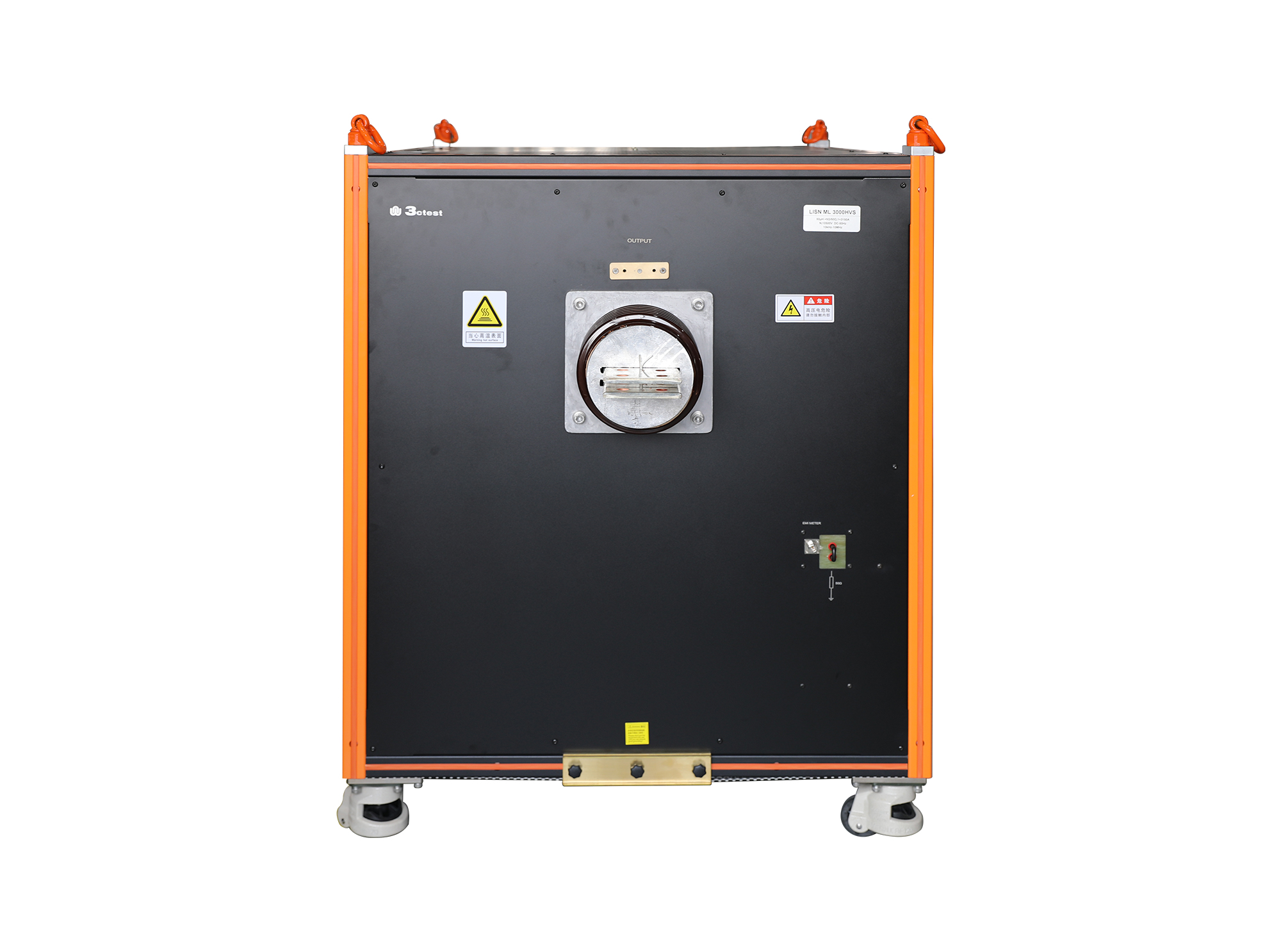
The LISN ML 3000HVS line impedance stabilization network is designed according to MIL-STD-461 and GJB 151.
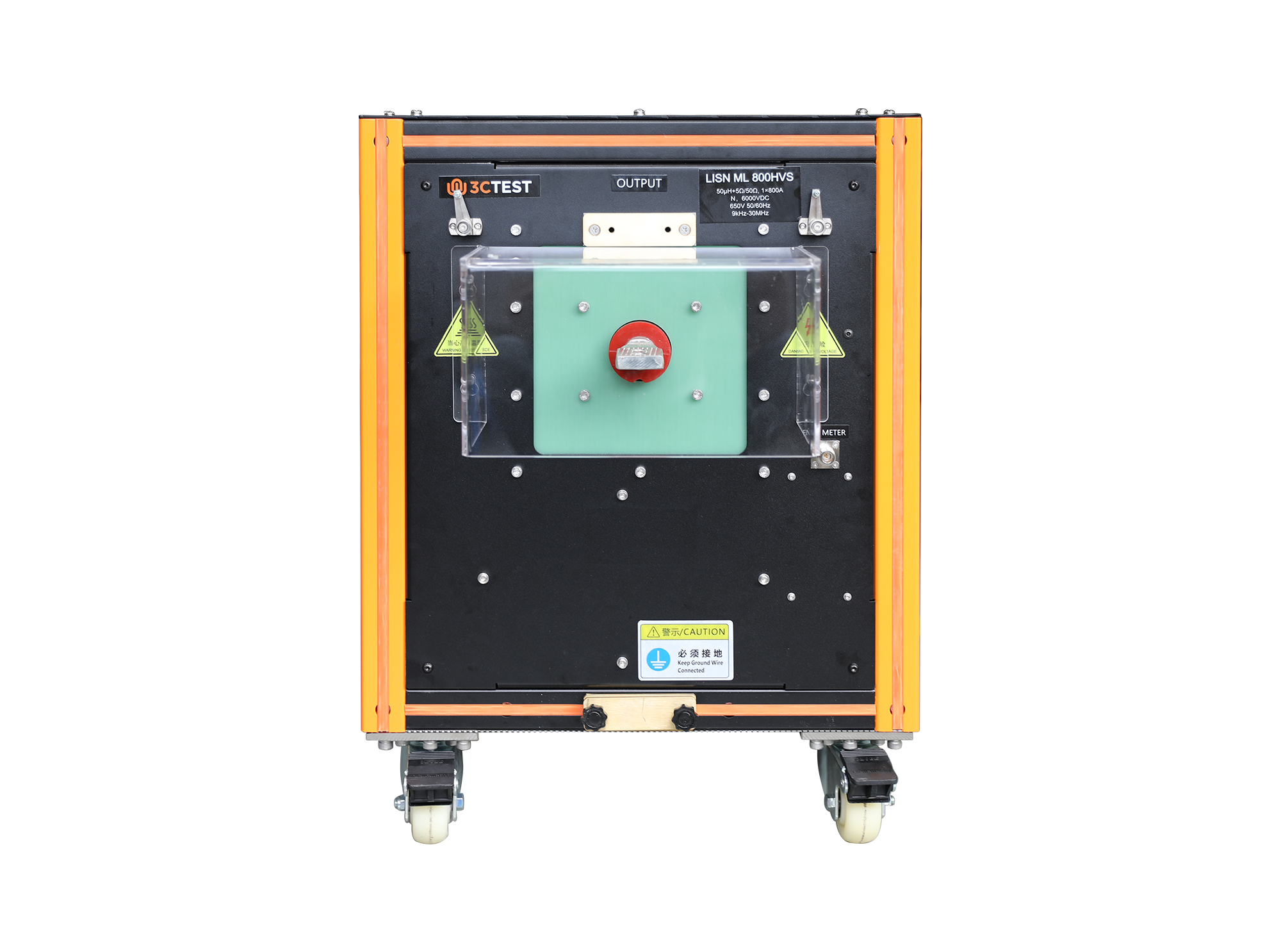
The LISN ML 800HVS line impedance stabilization network is designed according to MIL-STD-461 and GJB 151.

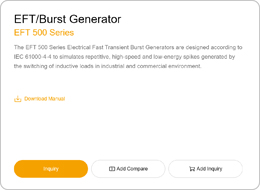
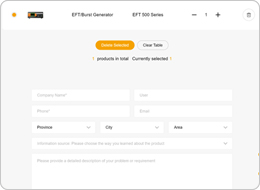
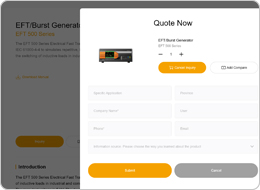
• Using the product inquiry function can help you quickly learn about the product's price and other related information.
• You can either inquire about a single product directly, or select multiple products to add to the inquiry bar and inquire about them together.
• How to make an inquiry

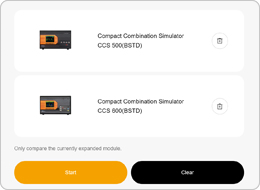
1. Using the product comparison function can help you find the target product you need for selection more quickly and easily.
2. You can add up to 5 products for comparison. Product models and parameters may vary across different series. It is recommended to compare products within the same series.
3. How to use the comparison bar.

 Phone: +86-512-68413700
 Email: info@3ctest.cn
 Address:No.99 E'meishan Rd, SND, Suzhou, Jiangsu, 215153, China,Suzhou, Jiangsu, 215153, China



© 2025 Suzhou 3CTEST


 Leave a Message