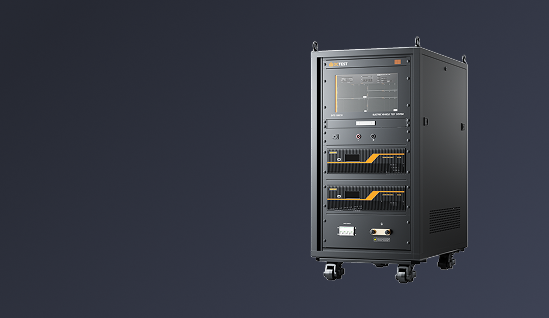

High frequency recommended vocabulary
ISO 7637-4 extends the transient conduction test method of the ISO 7637 series to the shielded high-voltage supply lines used in electric and hybrid vehicles. The high-voltage traction circuit behaves quite differently from a conventional 12 V network: the cables are screened in order to control the emission of the traction inverter, the voltages involved are two orders of magnitude higher, and the switching devices that generate transients are semiconductor converters rather than mechanical contacts. The standard therefore defines a set of transients appropriate to this environment, including the pulses associated with the switching of the traction inverter and with the connection and disconnection of the high-voltage circuit, and specifies the test setup in which the transient is applied between the high-voltage conductors and between the conductors and the shield or the vehicle chassis. It gives the waveform parameters, the test levels, the impedance of the test generator and the configuration of the equipment under test, so that components of the traction system can be qualified against a defined and repeatable set of stresses.
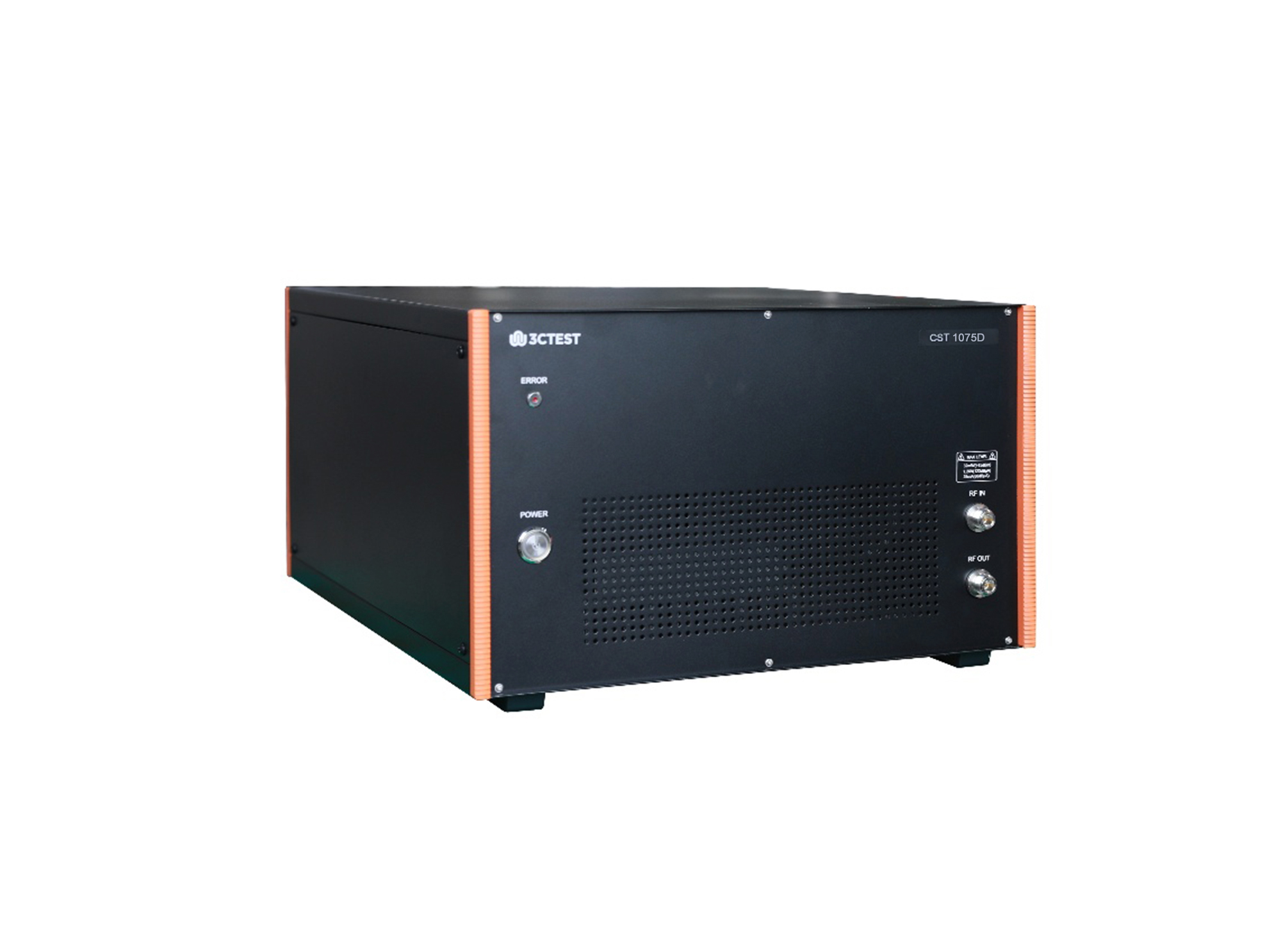
CST 1075D RF Conducted Immunity Test System is an integrated automatic test system specially developed for transient immunity test for pulsed sinusoidal disturbances (pulse A) along HV power lines of electric vehicles
CST 1075D(50M) RF Conducted Immunity Test System is an integrated automatic test system specially developed for transient immunity test for pulsed sinusoidal disturbances (pulse A) along HV power lines of electric vehicles
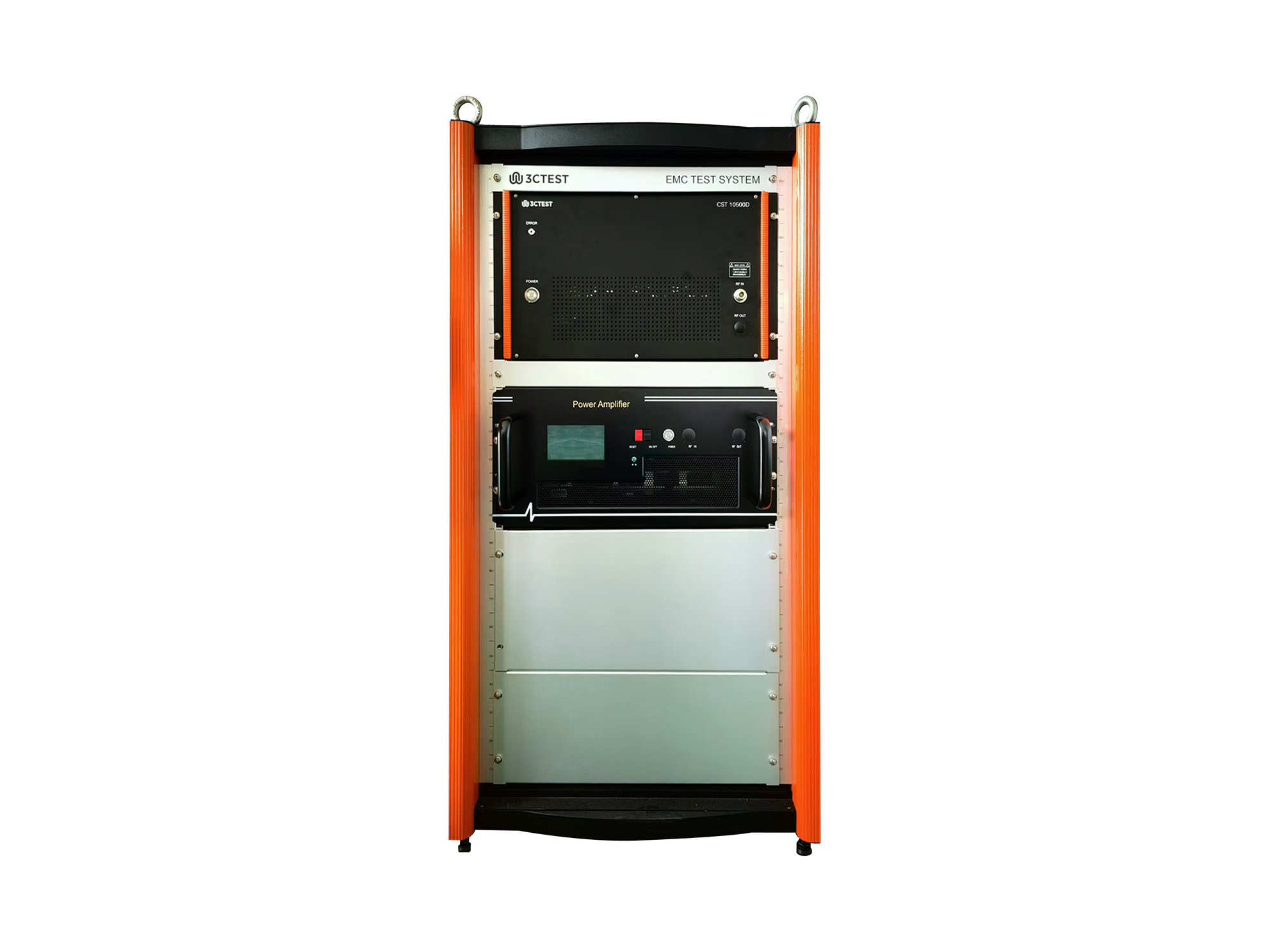
CST 10500D (50M) Conducted Immunity Test System is an integrated automatic test system specially developed for pulsed sinusoidal injection tests on power lines of electric vehicles, fully designed in compliance with ISO 7637-4 and is used for RF induced conducted immunity testing with frequencies ranging from 100 kHz to 50 MHz.
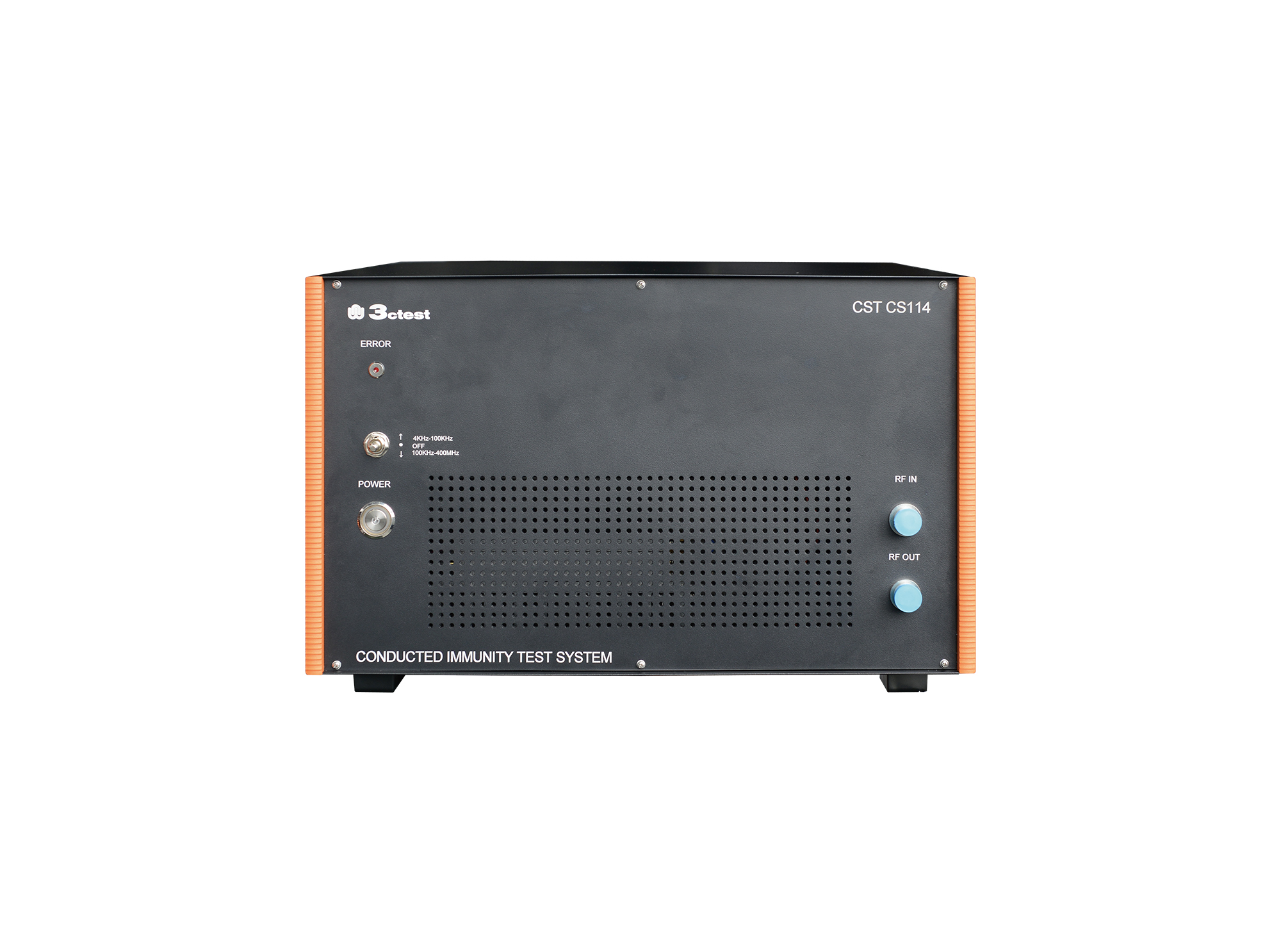
The CST CS114 conducted immunity test system is an integrated automatic test system in accordance with MIL-STD-461H, MIL-STD-461G and RTCA DO-160, specifically for cable injection conducted susceptibility testing of military electronic products.
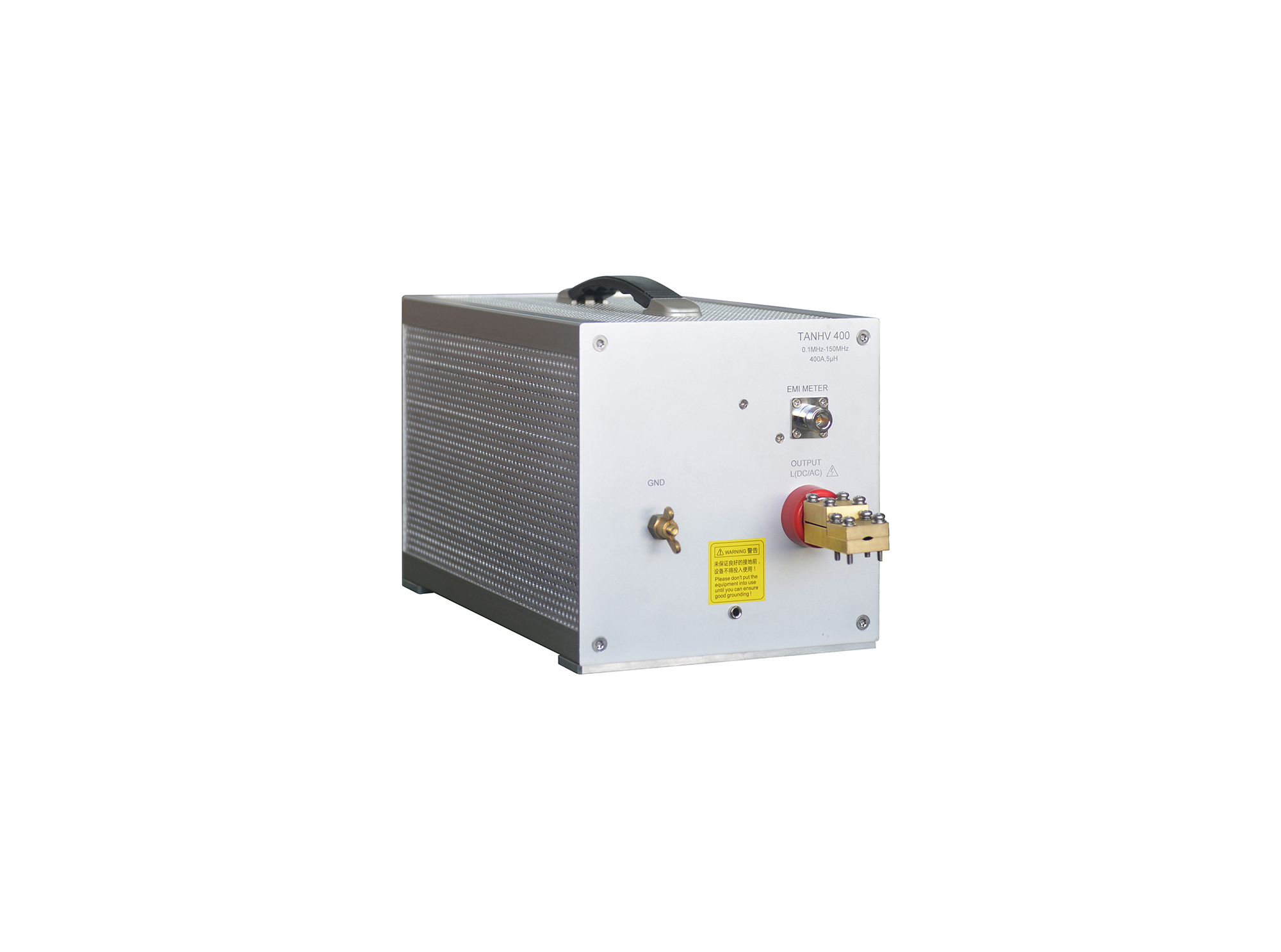
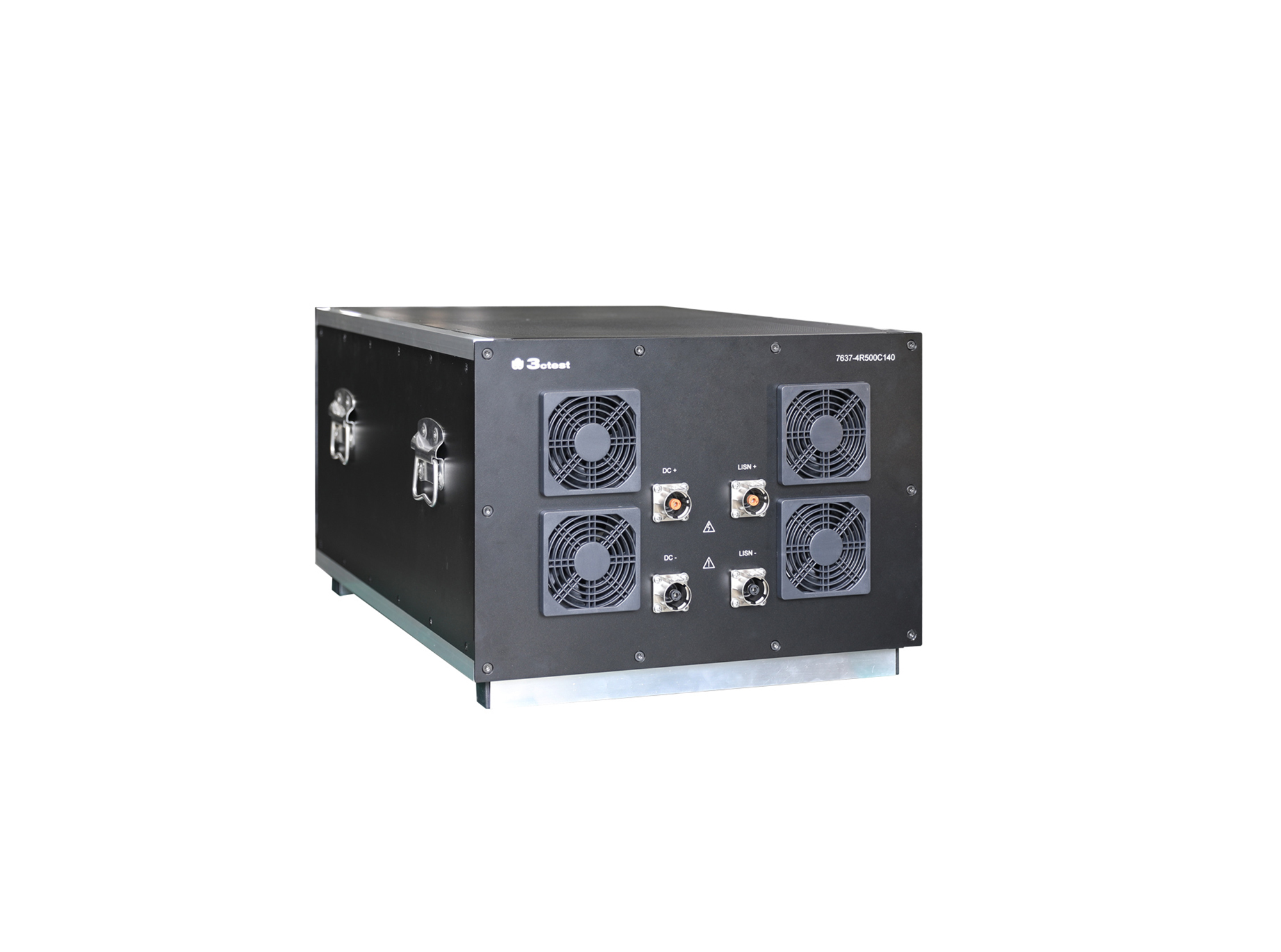
The TANHV Series are designed to comply with CISPR 25, ISO 7637-4 standards. The TANHV Series are applied to immunity testing of high-voltage systems in new energy vehicles.
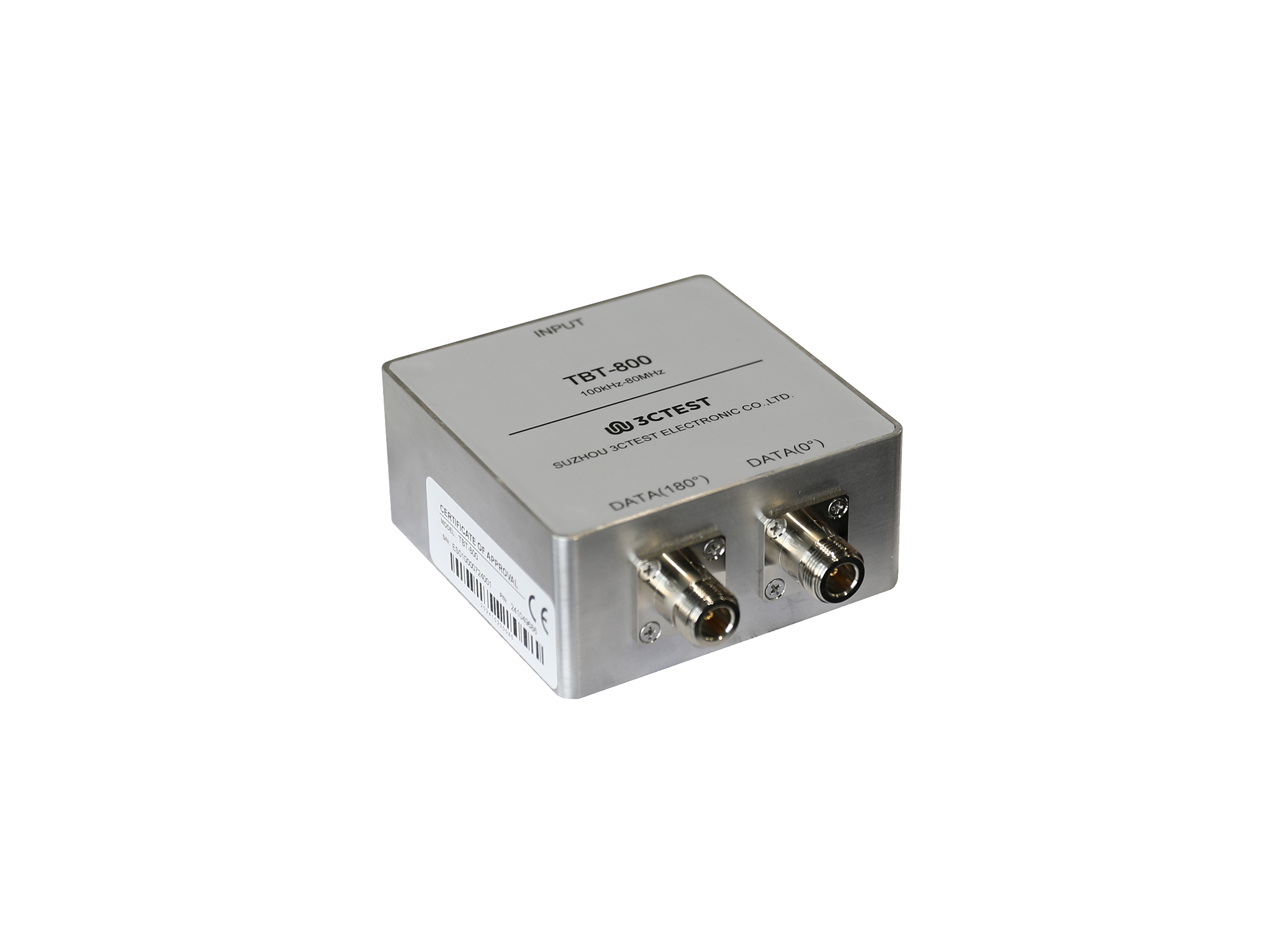
The TBT-800 is designed in accordance with ISO 7637-4 for balanced-unbalanced signal conversion. Featuring high power handling capability
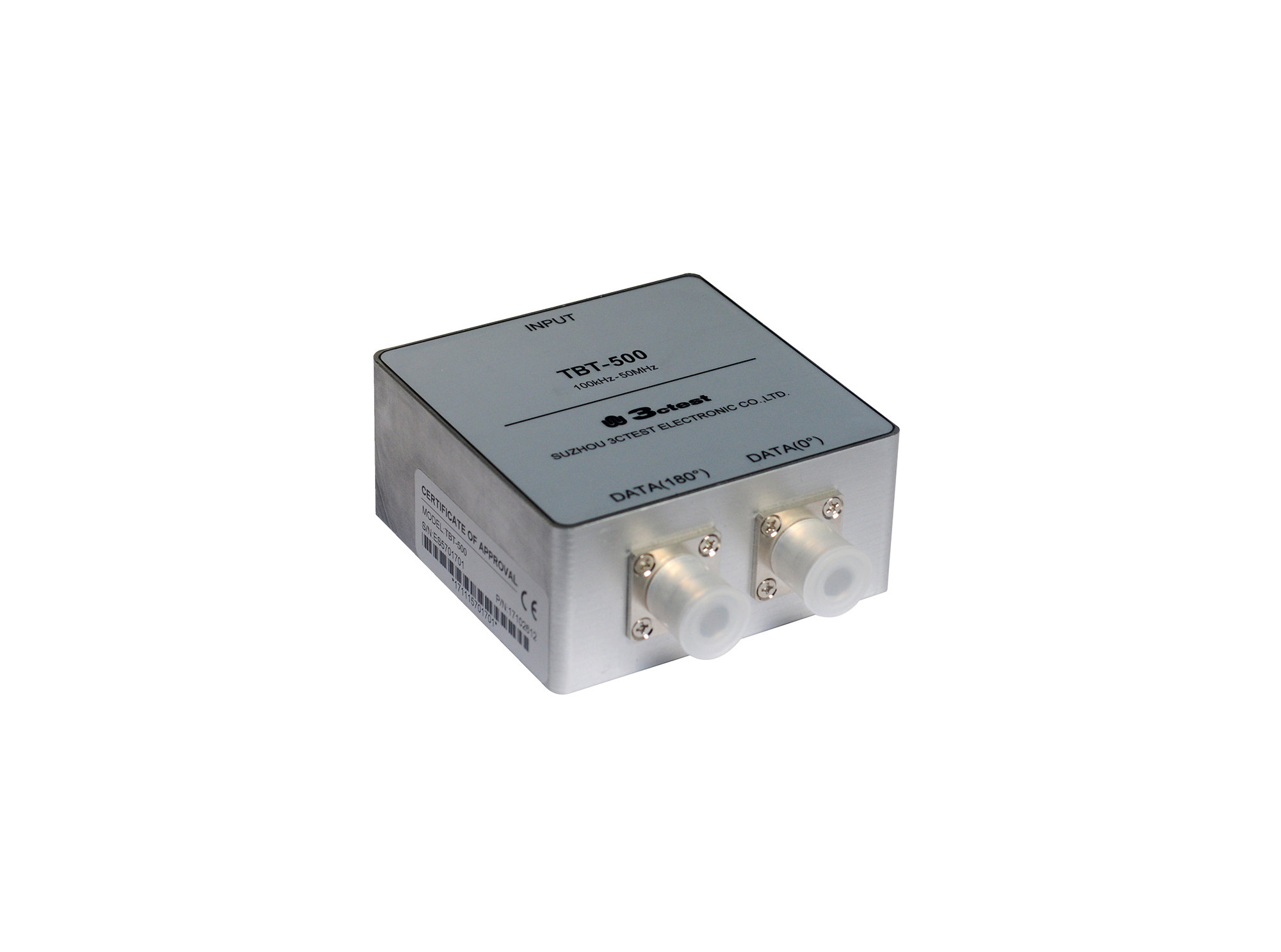
The TBT-500 balanced-unbalanced transformer is specifically designed to meet the requirements of ISO 7637-4:2020 It is designed for conversion between balanced and unbalanced signals and is widely used in communication applications.
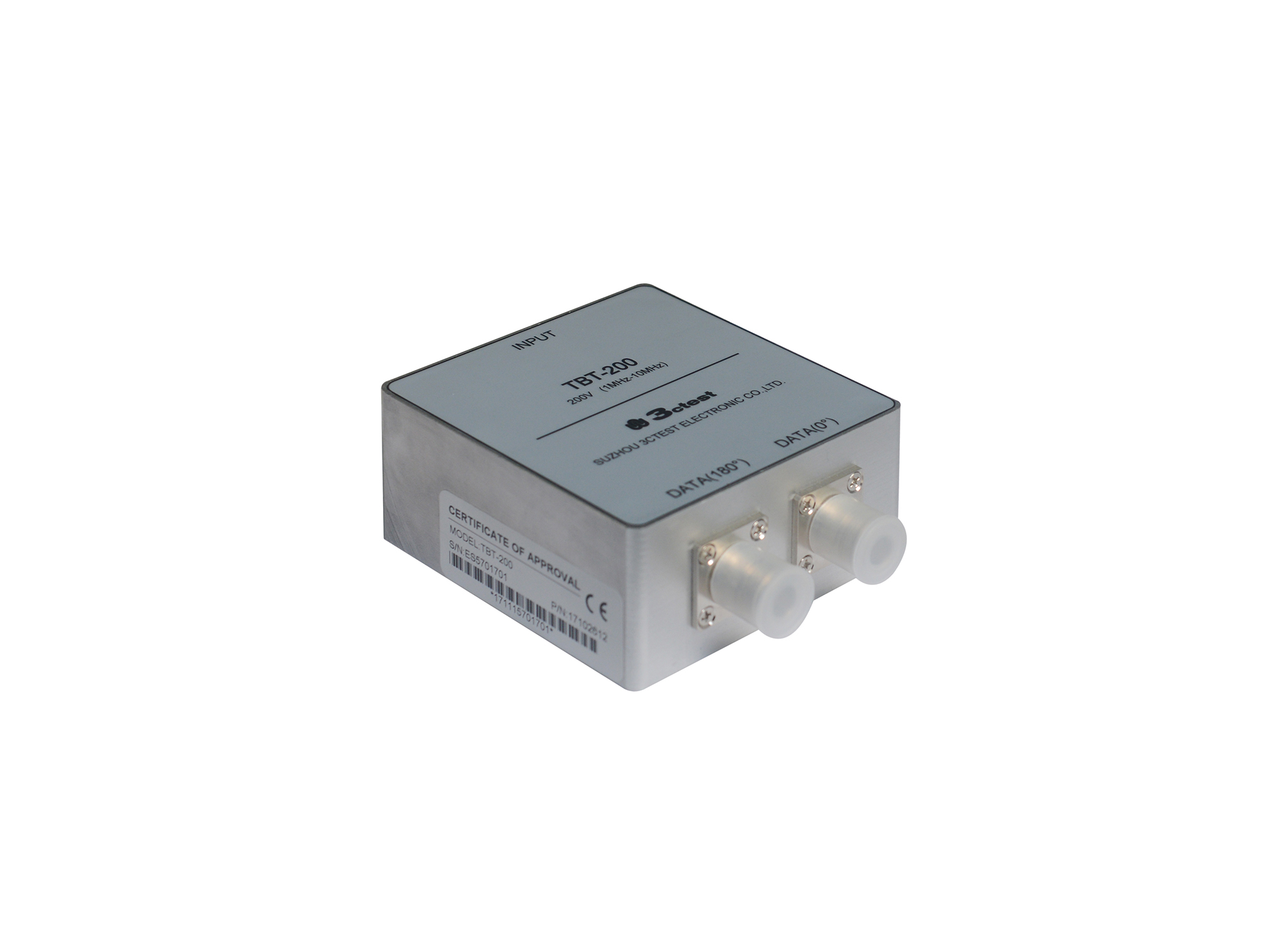
The TBT-200 balanced/unbalanced transformer is designed in accordance with ISO 7637-4 for conversion between balanced and unbalanced signals.
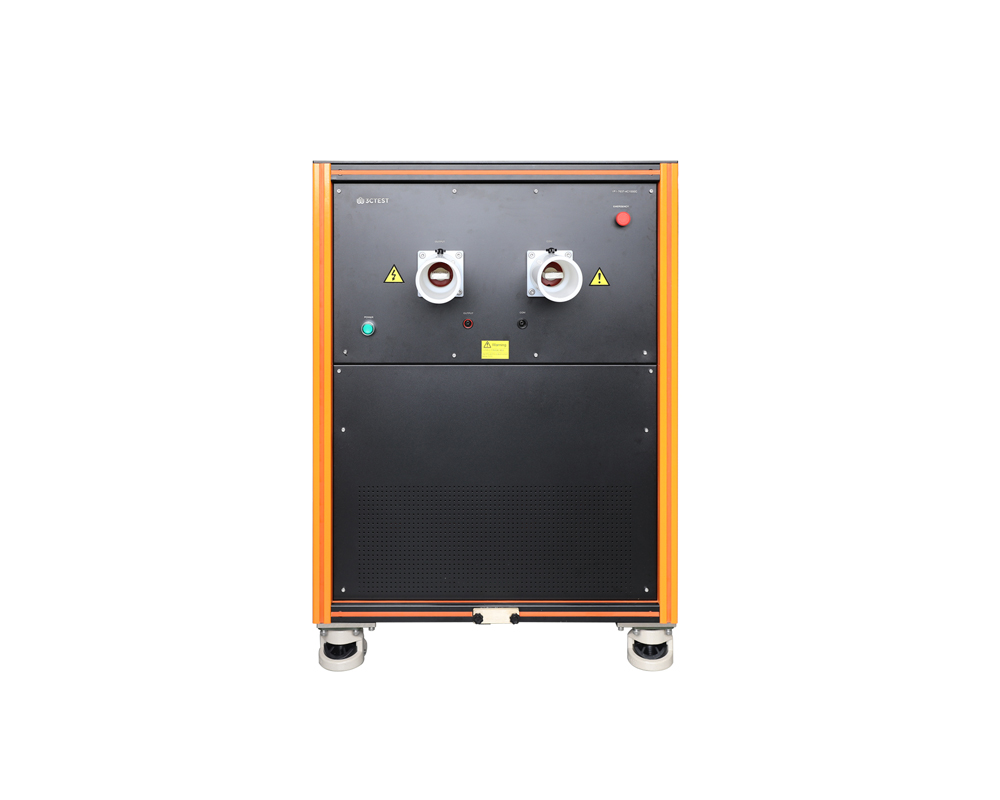
The TPT-7637-4C1000C wideband coupling transformer is designed for immunity tests required by standards such as ISO 21498-2 and ISO 7637-4.
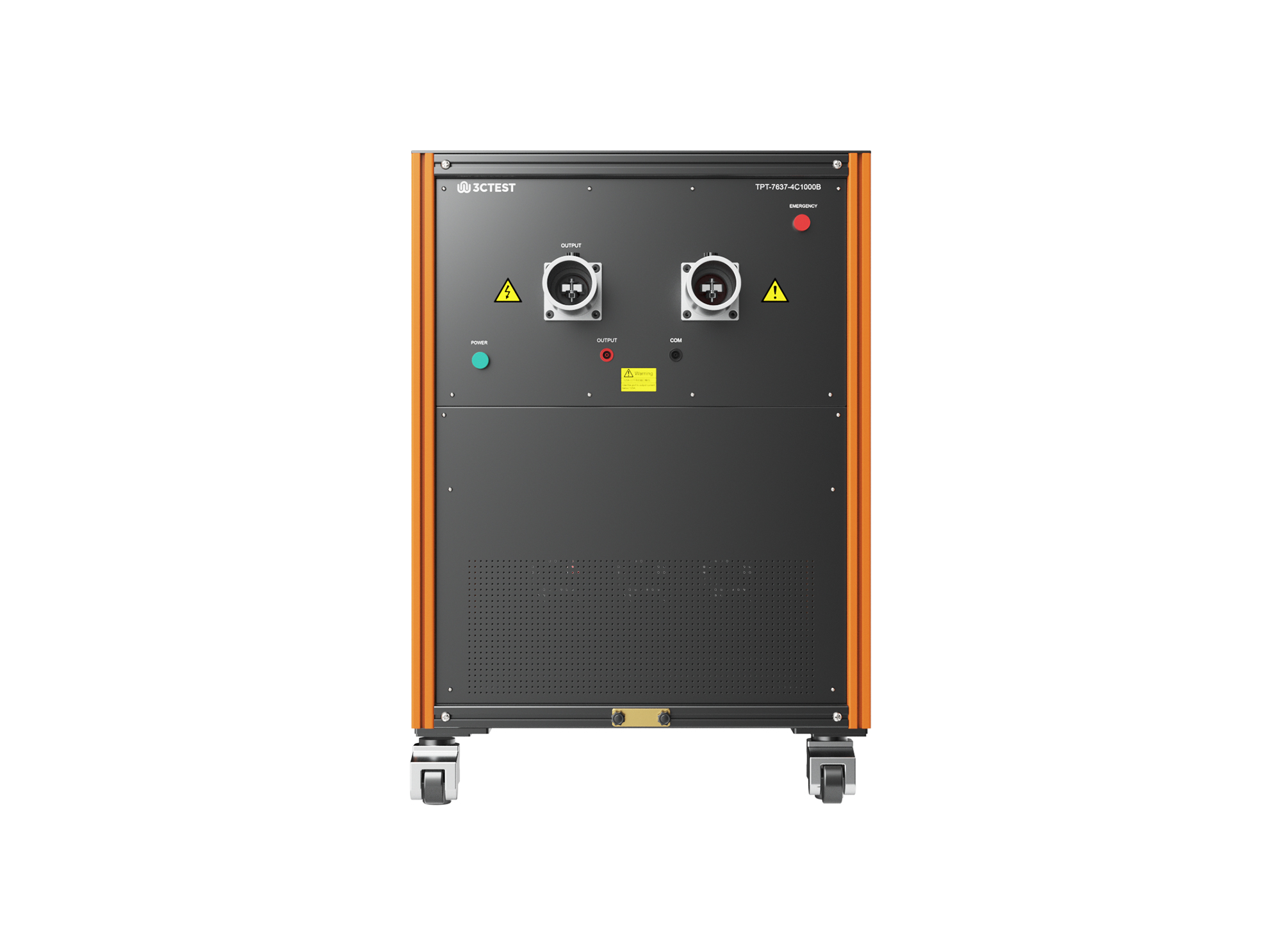
The TPT-7637-4C1000B wideband coupling transformer is designed for immunity tests required by standards such as ISO 21498-2 and ISO 7637-4.
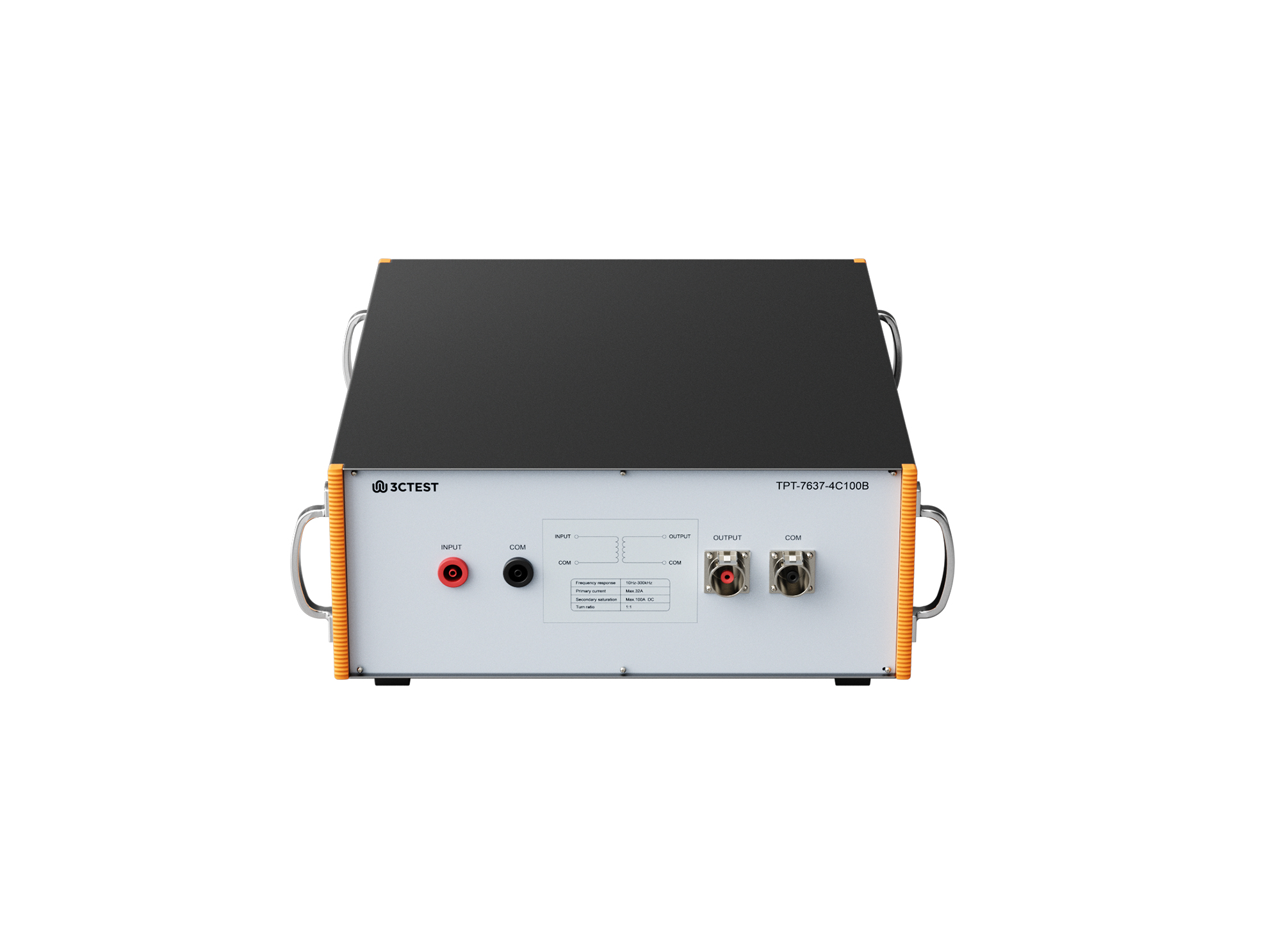
The TPT-7637-4C100B coupling transformer is a broadband coupling transformer specifically designed for the Low-Frequency Sinusoidal Disturbance Pulse B transient immunity test defined in ISO 7637.
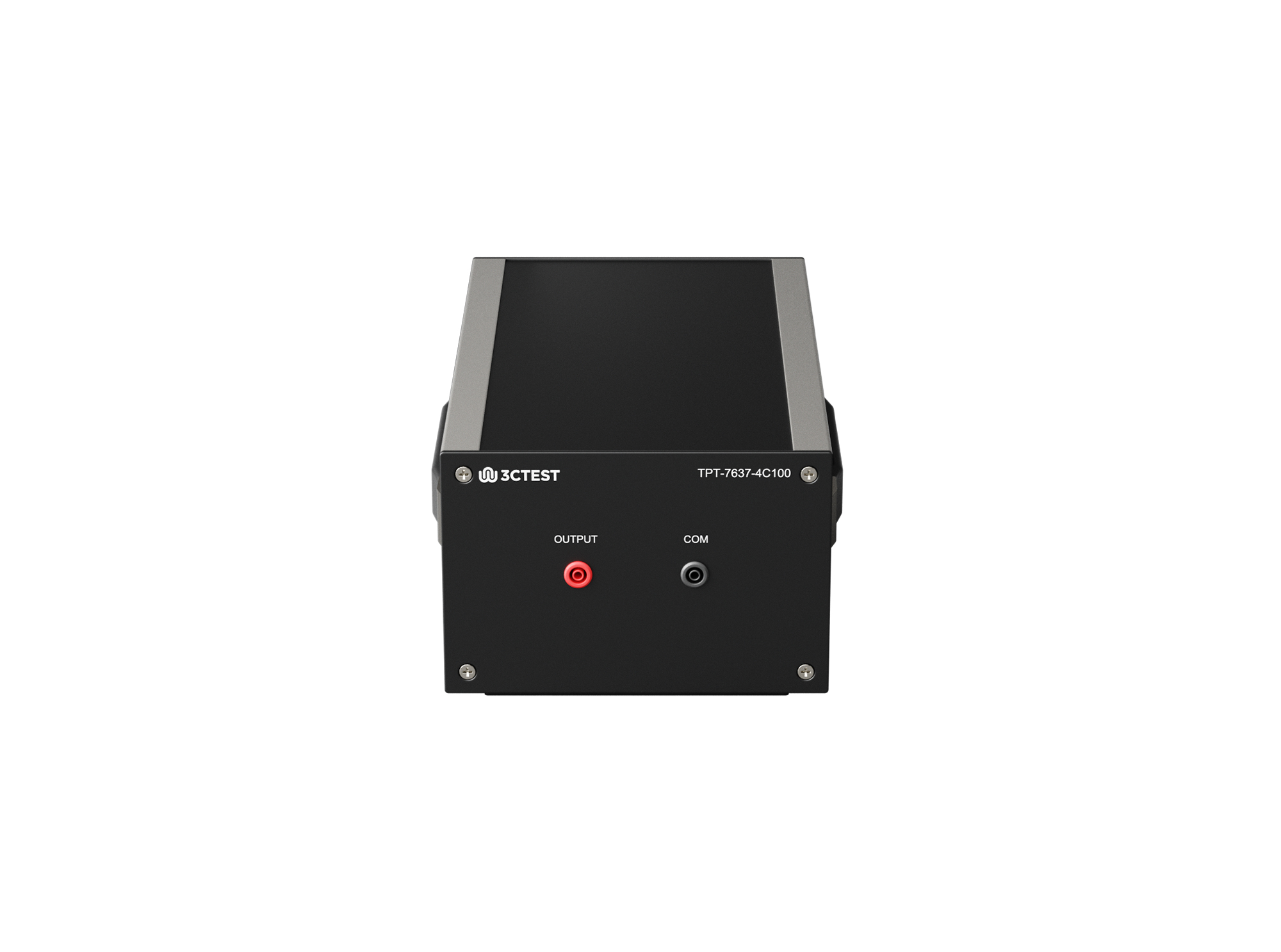
The TPT-7637-4C100 pulse transformer is a kind of wideband coupling transformer. It can transmit time-harmonic (sinusoidal) and pulse signals to the EUT via magnetic coupling.
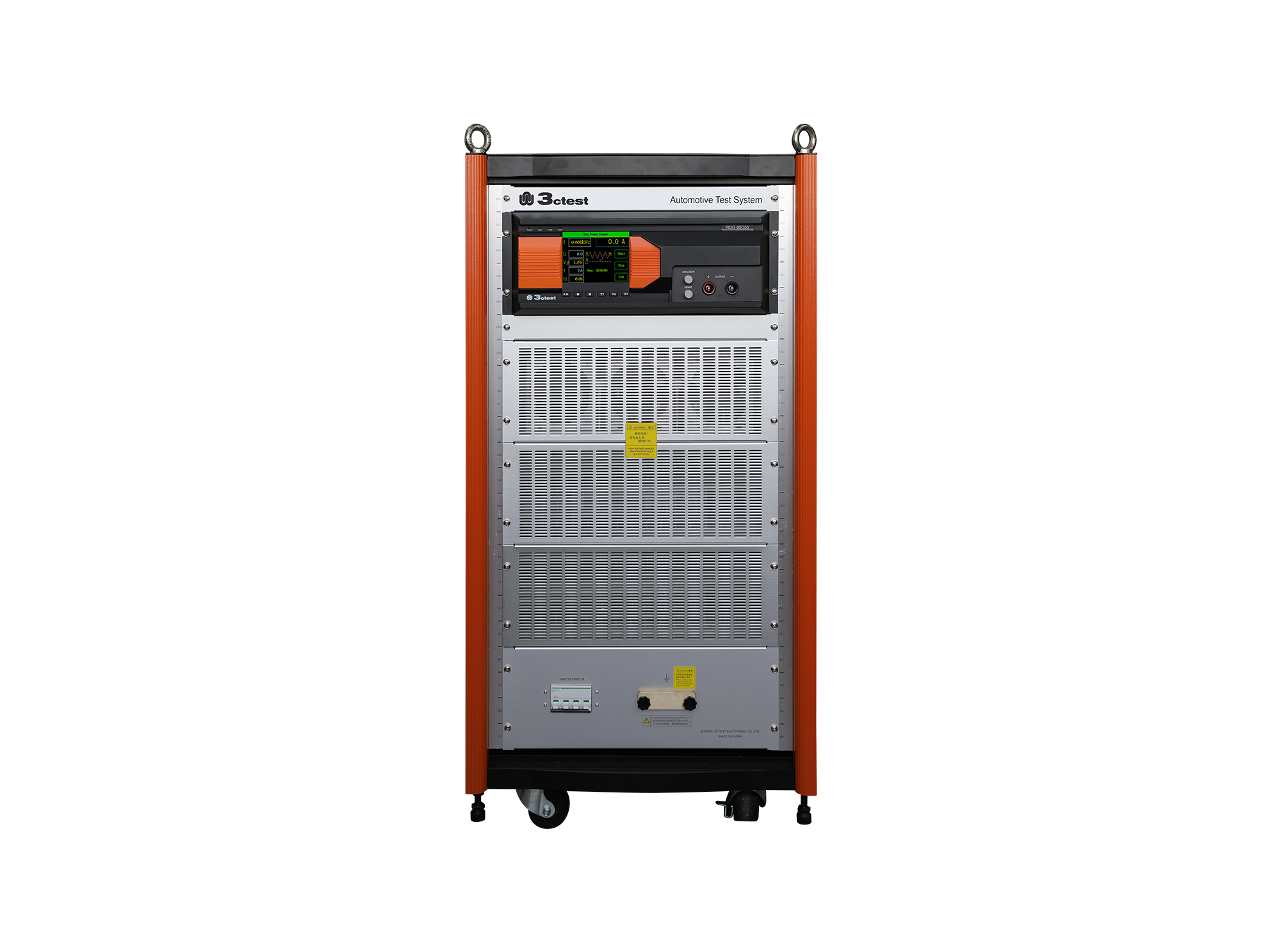
The RSG 80C50 Ripple Signal Generator complies with ISO/TS 7637-4, ISO 21498, VW 80300, GJB 151B and ISO 11452-8

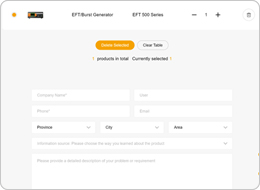
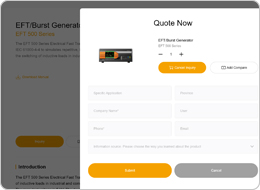
• Using the product inquiry function can help you quickly learn about the product's price and other related information.
• You can either inquire about a single product directly, or select multiple products to add to the inquiry bar and inquire about them together.
• How to make an inquiry
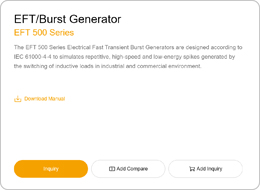
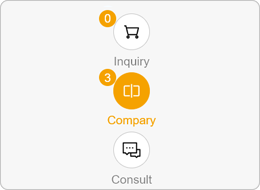
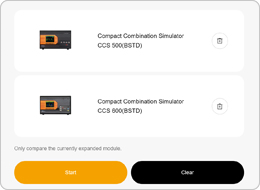
1. Using the product comparison function can help you find the target product you need for selection more quickly and easily.
2. You can add up to 5 products for comparison. Product models and parameters may vary across different series. It is recommended to compare products within the same series.
3. How to use the comparison bar.
 Phone: +86-512-68413700
 Email: info@3ctest.cn
 Address:No.99 E'meishan Rd, SND, Suzhou, Jiangsu, 215153, China,Suzhou, Jiangsu, 215153, China



© 2025 Suzhou 3CTEST


 Leave a Message