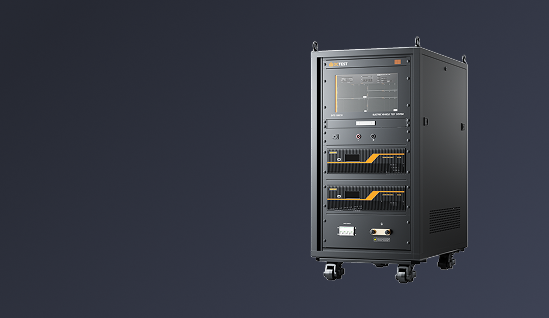

High frequency recommended vocabulary

GB/T 17626.10 is the Chinese national standard for the damped oscillatory magnetic field immunity test and is an identical adoption of IEC 61000-4-10, so the field waveform, the coil arrangements and the severity levels follow the international document exactly. It is the text cited by Chinese product standards and by the certification schemes that equipment must satisfy for the domestic market, and Chinese laboratories are accredited against it. The test reproduces the transient magnetic fields produced in high-voltage substations during switching and fault clearing, at 1 MHz, and the comparable phenomena on medium-voltage installations and near thyristor-driven industrial loads, at 100 kHz. The standard defines the generation and the shape of the field, the Helmholtz and induction coils that produce a uniform field over the equipment, the field strengths used as severity classes, the orientation of the equipment in the field and the method of measuring the field strength, with performance judged against functional criteria.
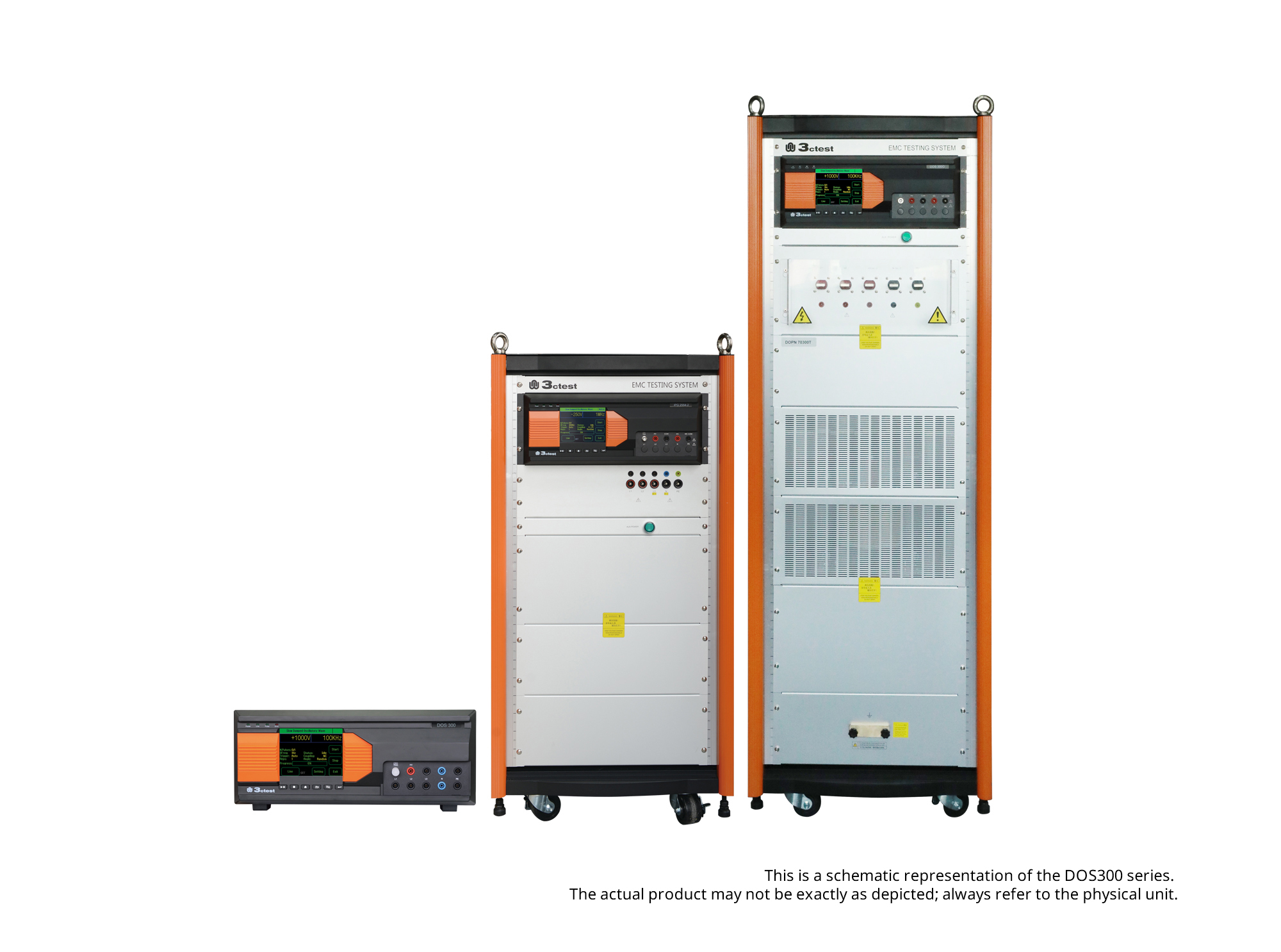
The DOS 300 Series Damped Oscillatory Wave Simulator can perform slow damped oscillatory wave tests according to IEC 61000-4-18 and damped oscillatory magnetic field tests according to IEC 61000-4-10 (optional).
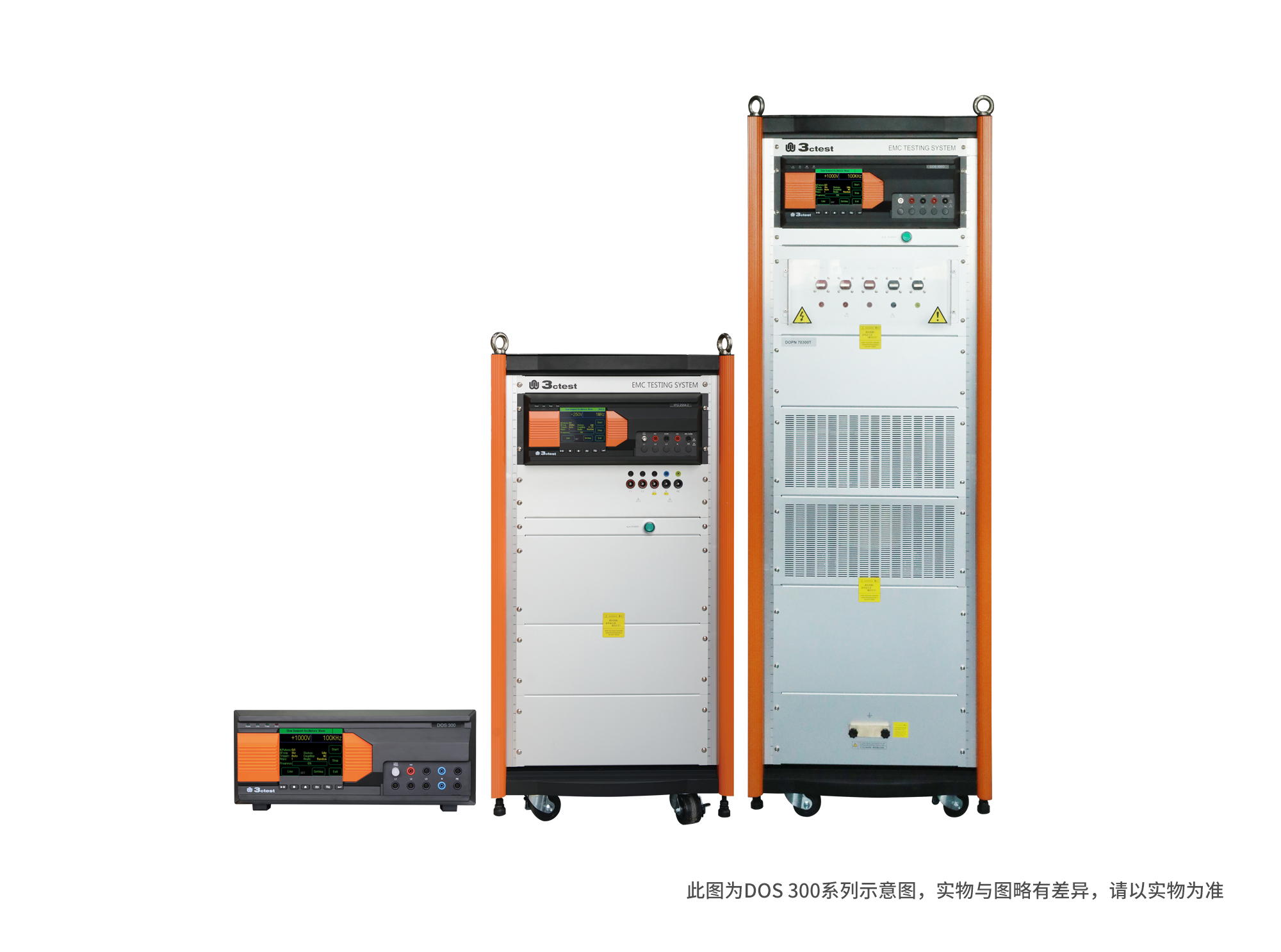
The DOS 300 Series Damped Oscillatory Wave Simulator can perform slow damped oscillatory wave tests according to IEC 61000-4-18 and damped oscillatory magnetic field tests according to IEC 61000-4-10 (optional).
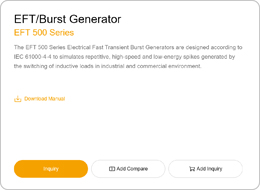
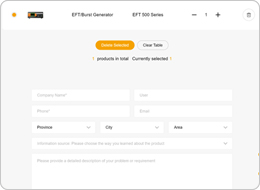
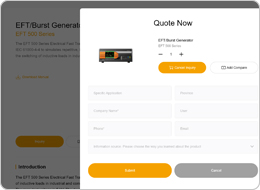
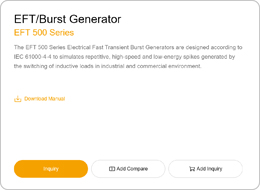
• Using the product inquiry function can help you quickly learn about the product's price and other related information.
• You can either inquire about a single product directly, or select multiple products to add to the inquiry bar and inquire about them together.
• How to make an inquiry

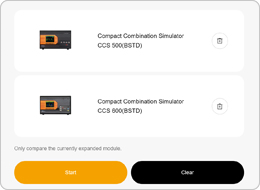
1. Using the product comparison function can help you find the target product you need for selection more quickly and easily.
2. You can add up to 5 products for comparison. Product models and parameters may vary across different series. It is recommended to compare products within the same series.
3. How to use the comparison bar.

 Phone: +86-512-68413700
 Email: info@3ctest.cn
 Address:No.99 E'meishan Rd, SND, Suzhou, Jiangsu, 215153, China,Suzhou, Jiangsu, 215153, China



© 2025 Suzhou 3CTEST


 Leave a Message