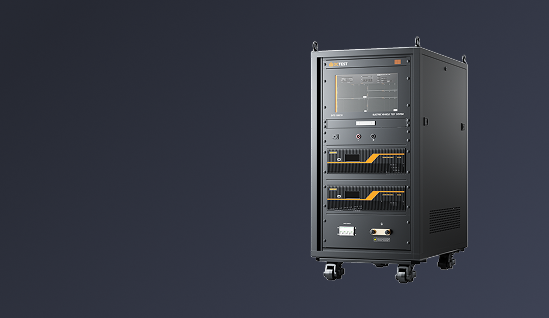

High frequency recommended vocabulary

The fast transient burst test is the immunity requirement that manufacturers of control and measurement electronics in China most often fail at the first attempt, and this part of the Chinese EMC test series is the designation under which it appears in the product standards for information technology equipment, household appliances, measurement apparatus and industrial control equipment. In certification practice the test is applied to the mains port and, where the product has signal or communication connections, to those ports as well through the capacitive coupling clamp, so the report carries one result per port and a failure at a single port is enough to withhold the certificate. The Chinese text corresponds to the international document; the value of the page to a foreign manufacturer is that it identifies the Chinese designation, the product standards that will impose the requirement and the fact that the result is examined port by port during the certification review.
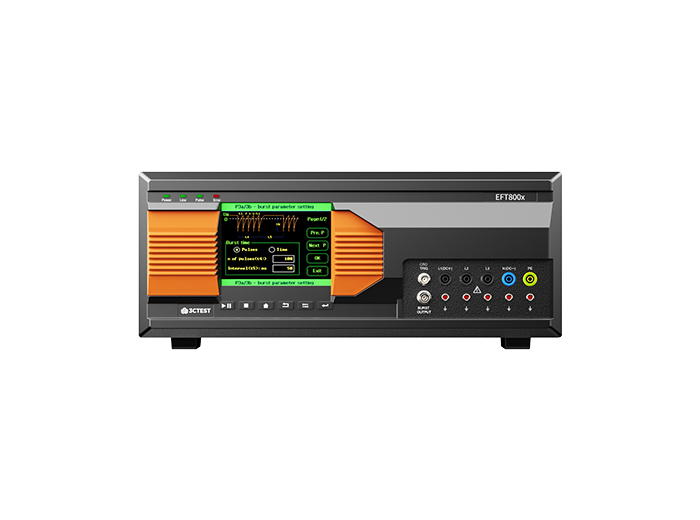
The EFT 800 Series Electrical Fast Transient Burst Generators are designed according to IEC 61000-4-4 to simulates repetitive, high-speed and low-energy spikes generated by the switching of inductive loads in industrial and commercial environment.
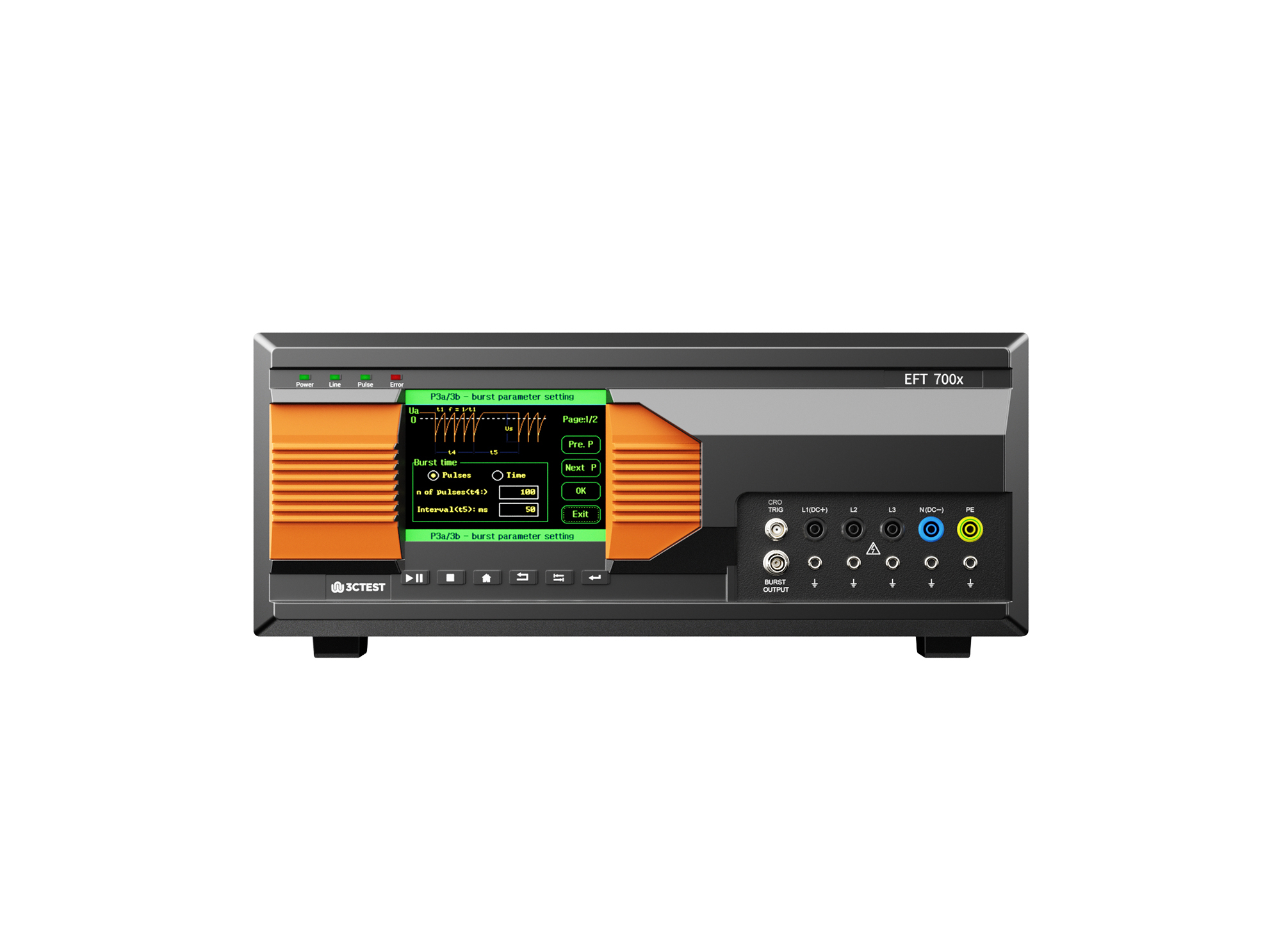
The EFT 700 Series Electrical Fast Transient Burst Generators are designed according to IEC 61000-4-4 to simulates repetitive, high-speed and low-energy spikes generated by the switching of inductive loads in industrial and commercial environment.
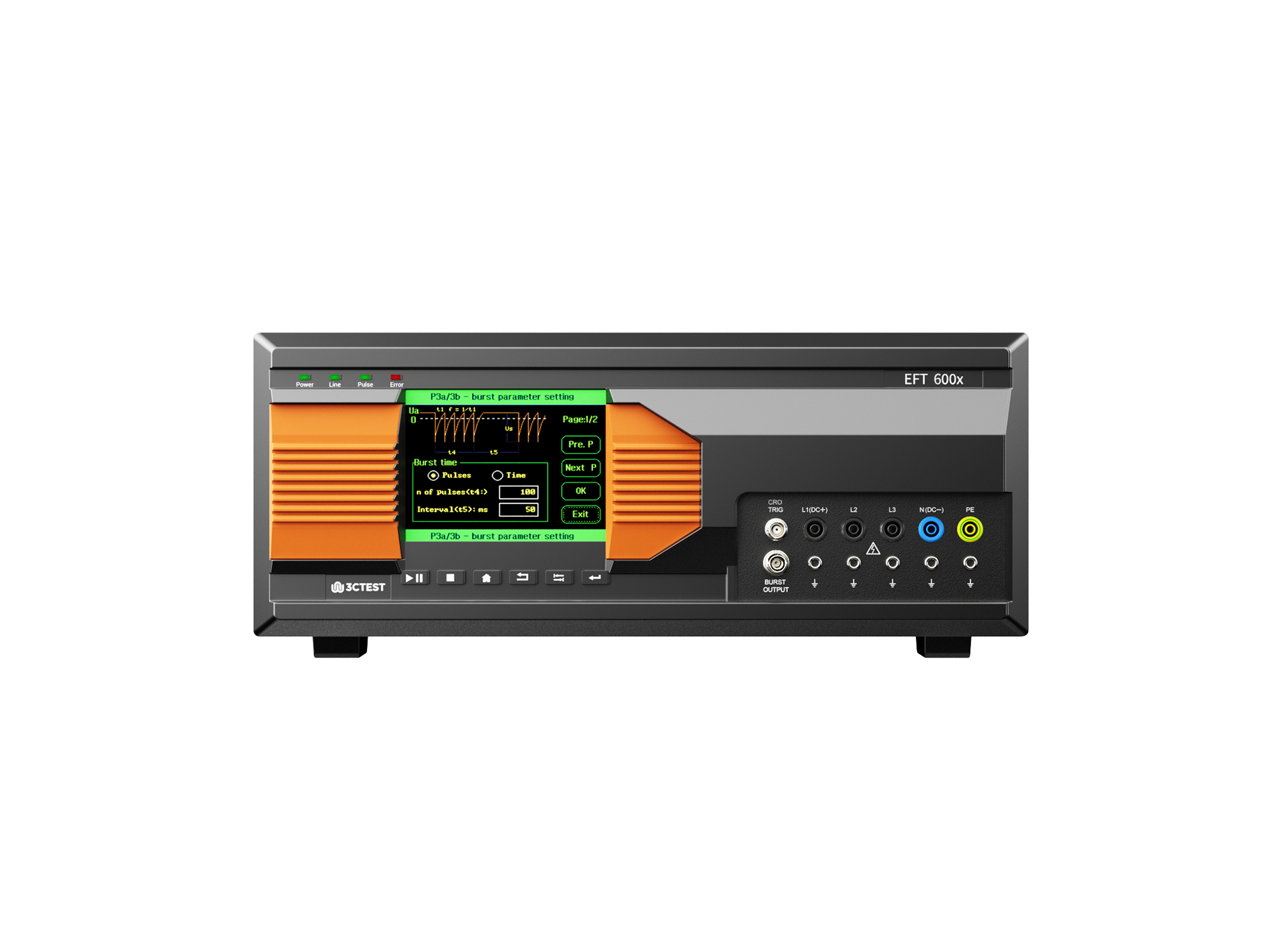
The EFT 600 Series Electrical Fast Transient Burst Generators are designed according to IEC 61000-4-4 to simulates repetitive, high-speed and low-energy spikes generated by the switching of inductive loads in industrial and commercial environment.
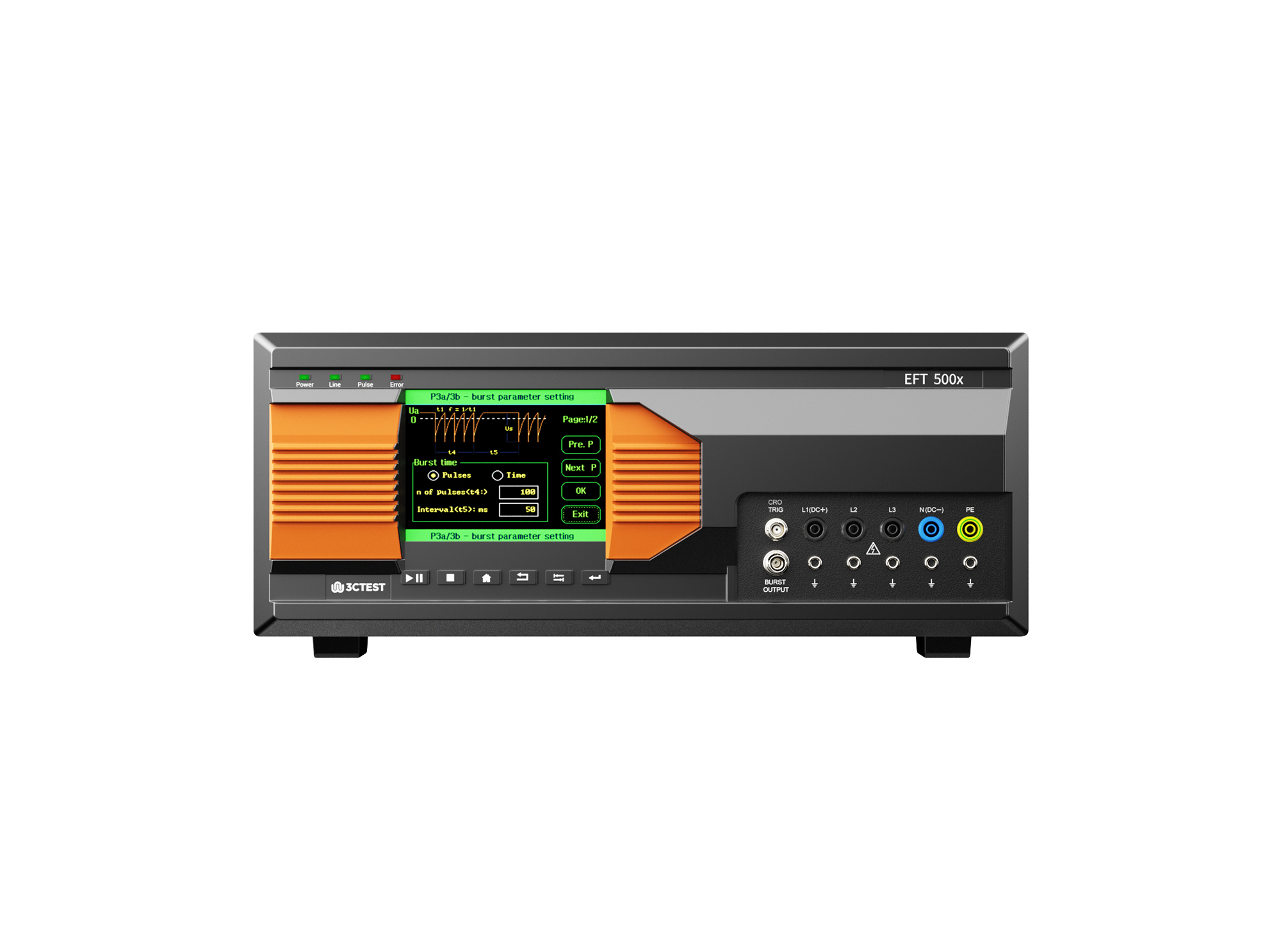
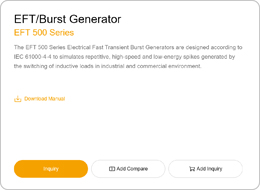
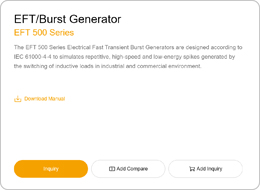
The EFT 500 Series Electrical Fast Transient Burst Generators are designed according to IEC 61000-4-4 to simulates repetitive, high-speed and low-energy spikes generated by the switching of inductive loads in industrial and commercial environment.
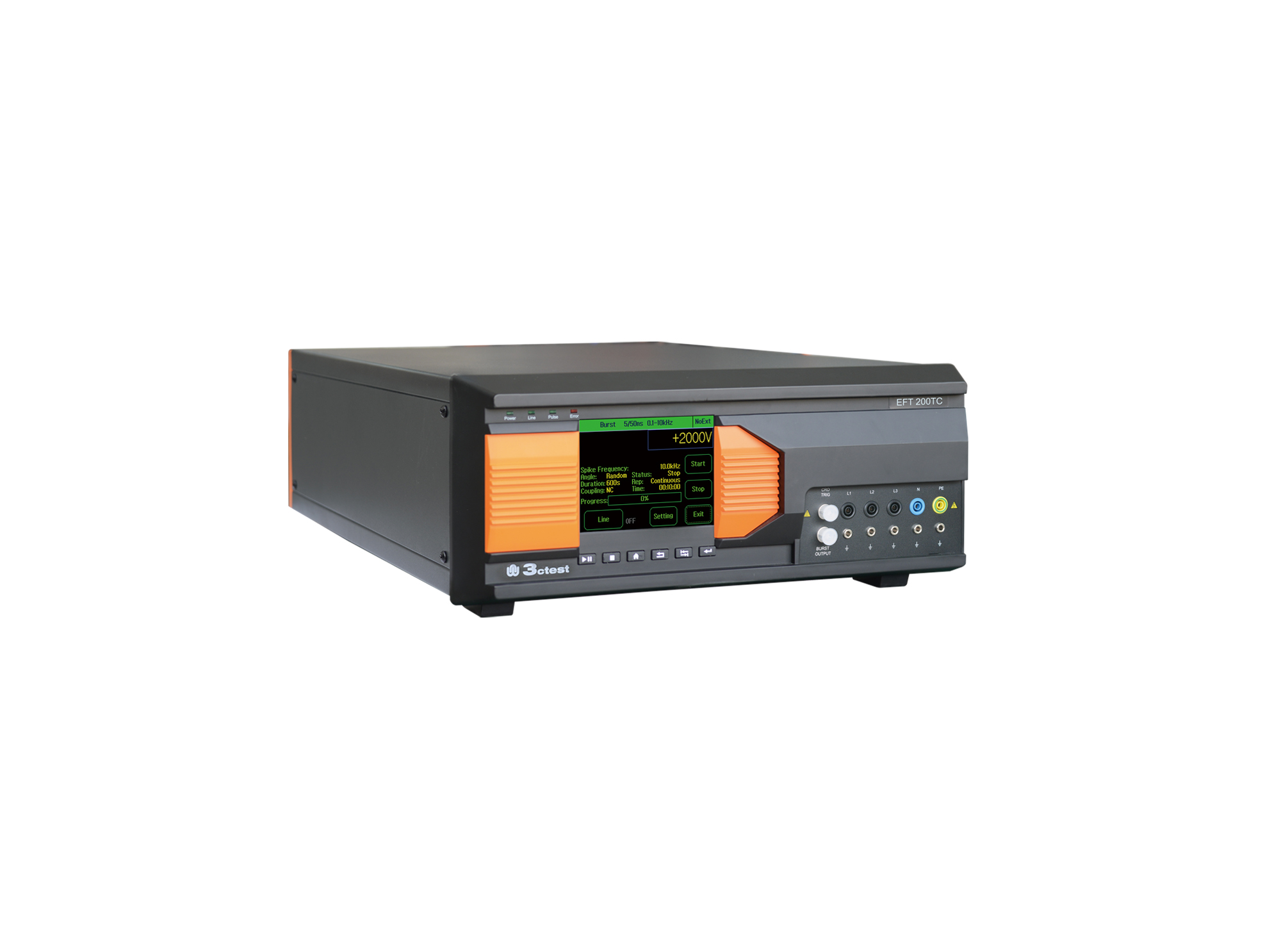
EFT 200TC three-phase EFT/Burst Simulator is developed for EMC testing of automotive components.
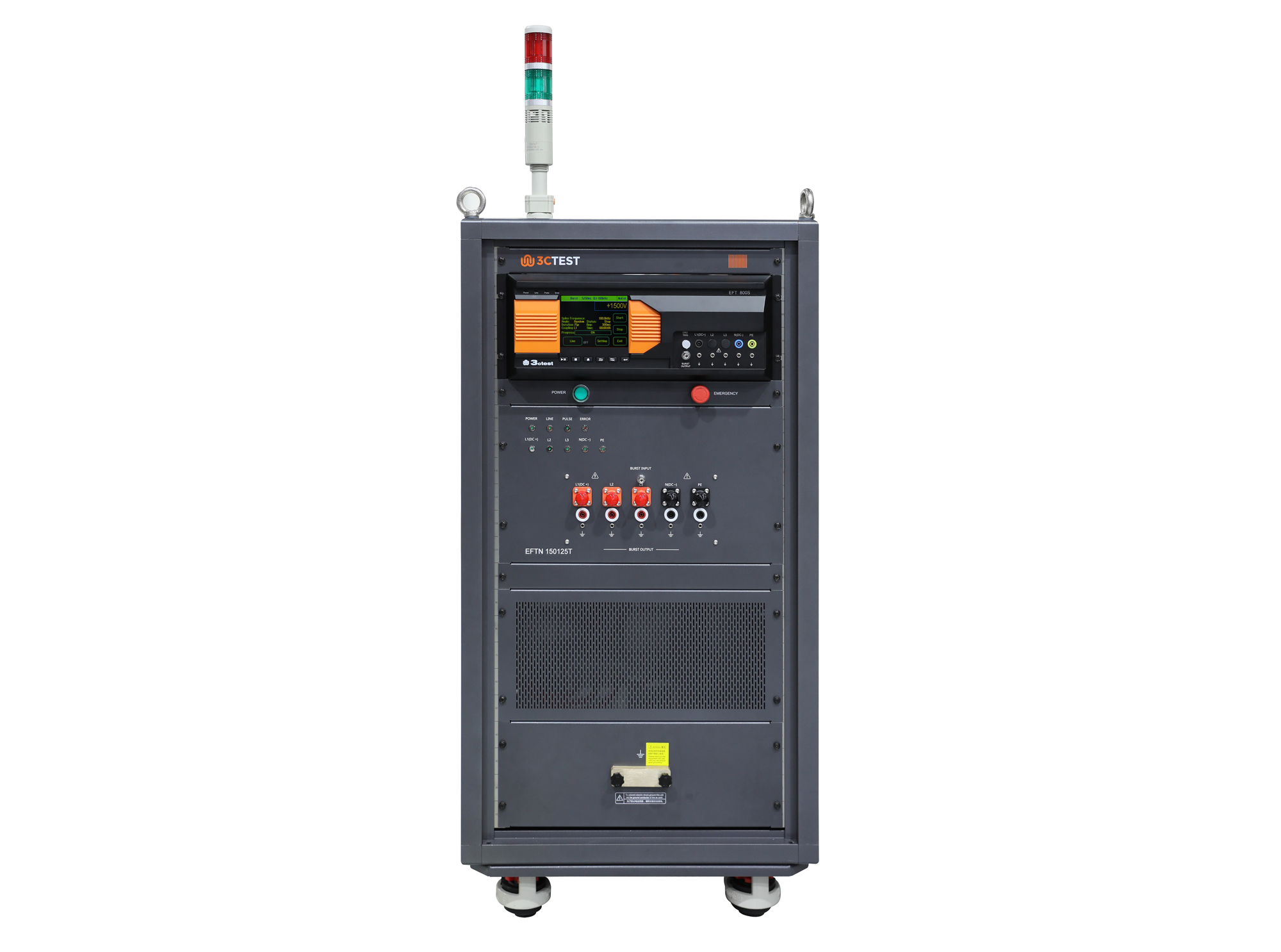
The EFTN 150125T HV High Power EFT/Burst Coupling/Decoupling Network is designed in compliance with IEC 61000-4-4.
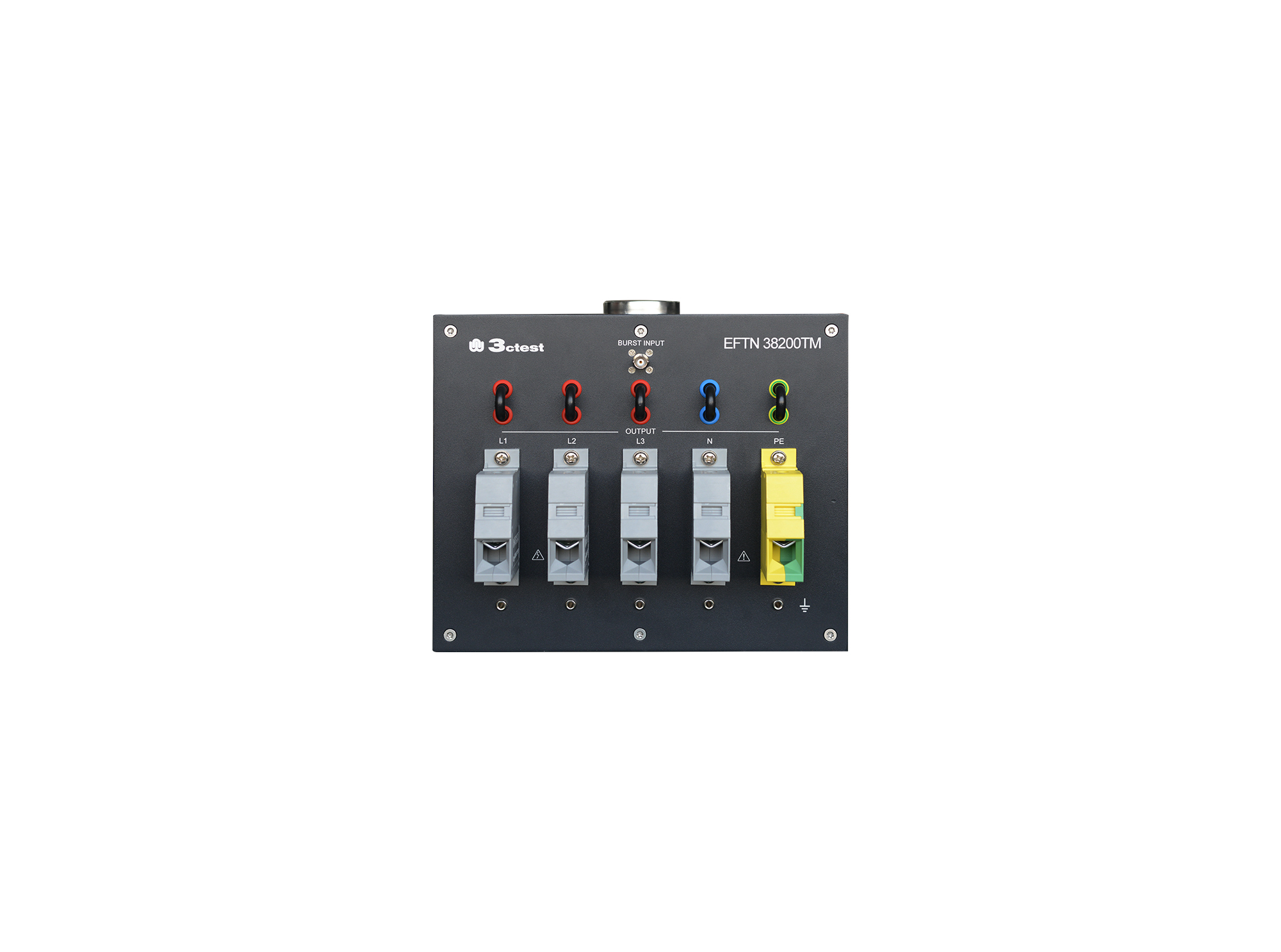
The EFTN 38200TM HV High Power EFT/Burst Coupling/Decoupling Network is a manual three-phase coupling/decoupling network compliant with IEC 61000-4-4.
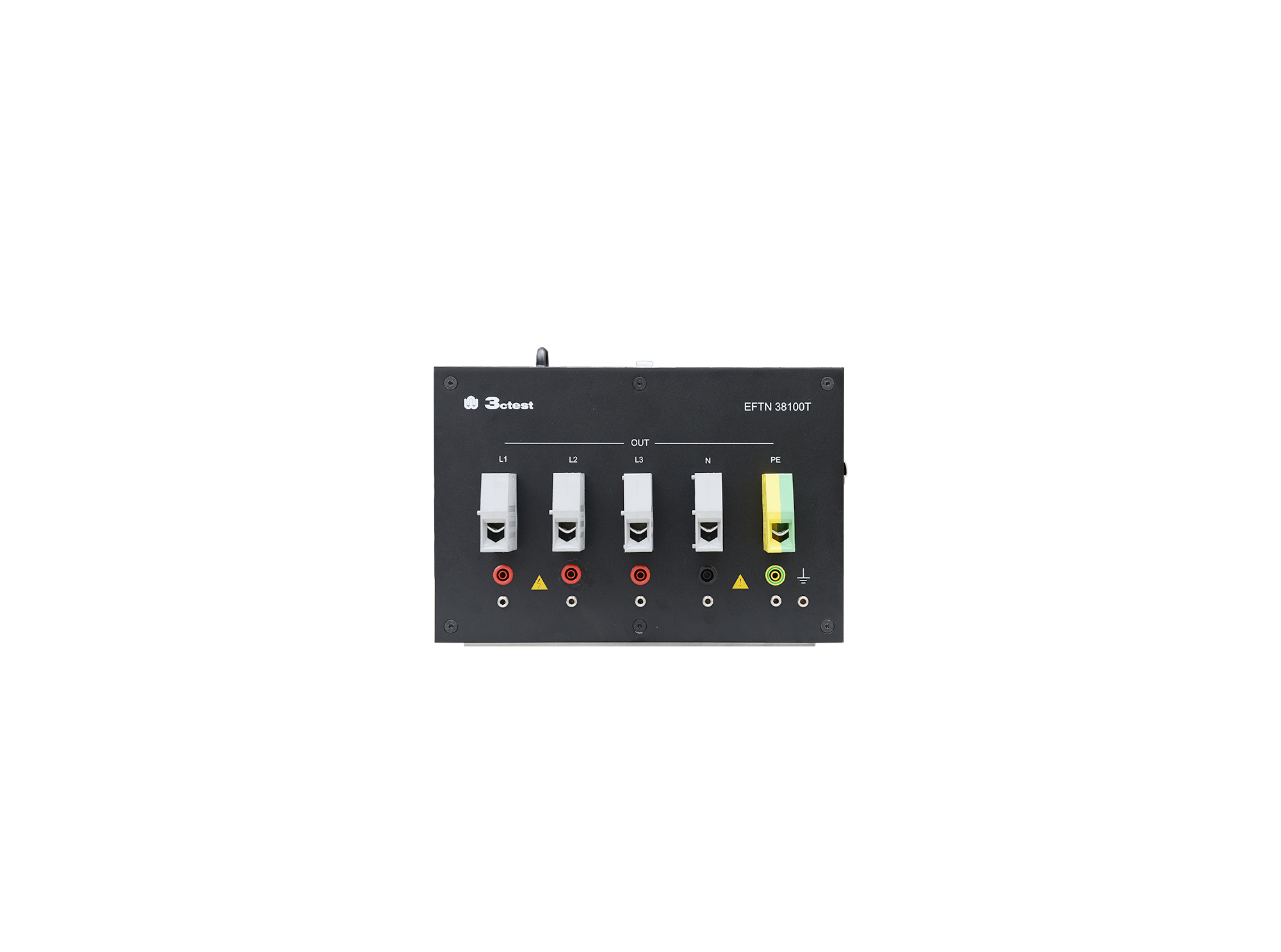
The EFTN 69100TM HV High Power EFT/Burst Coupling/Decoupling Network is a manual three-phase CDN compliant with IEC 61000-4-4.
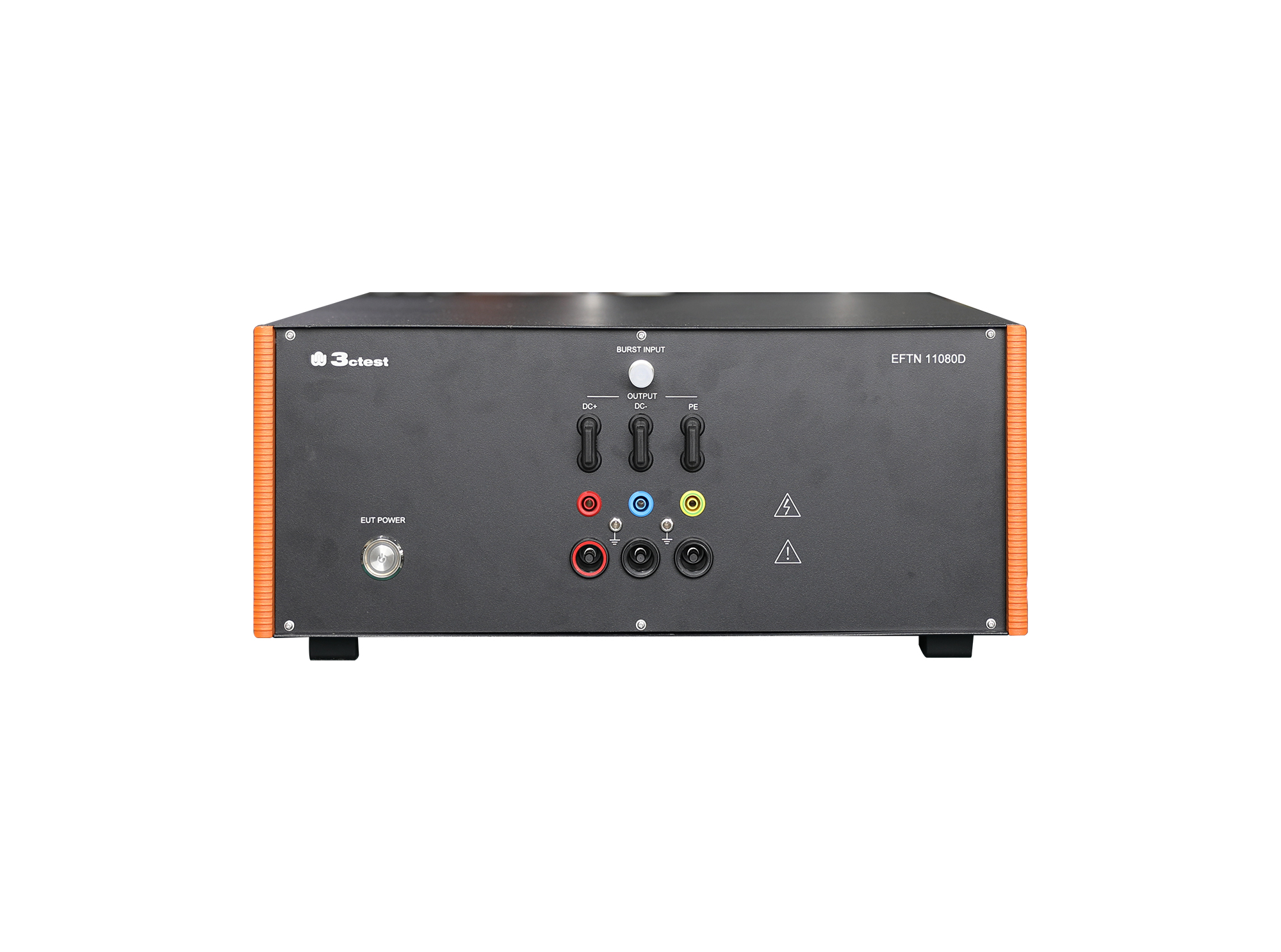
The EFTN 11080D EFT/Burst Coupling/Decoupling Network is a manual CDN compliant with IEC 61000-4-4 requirements.
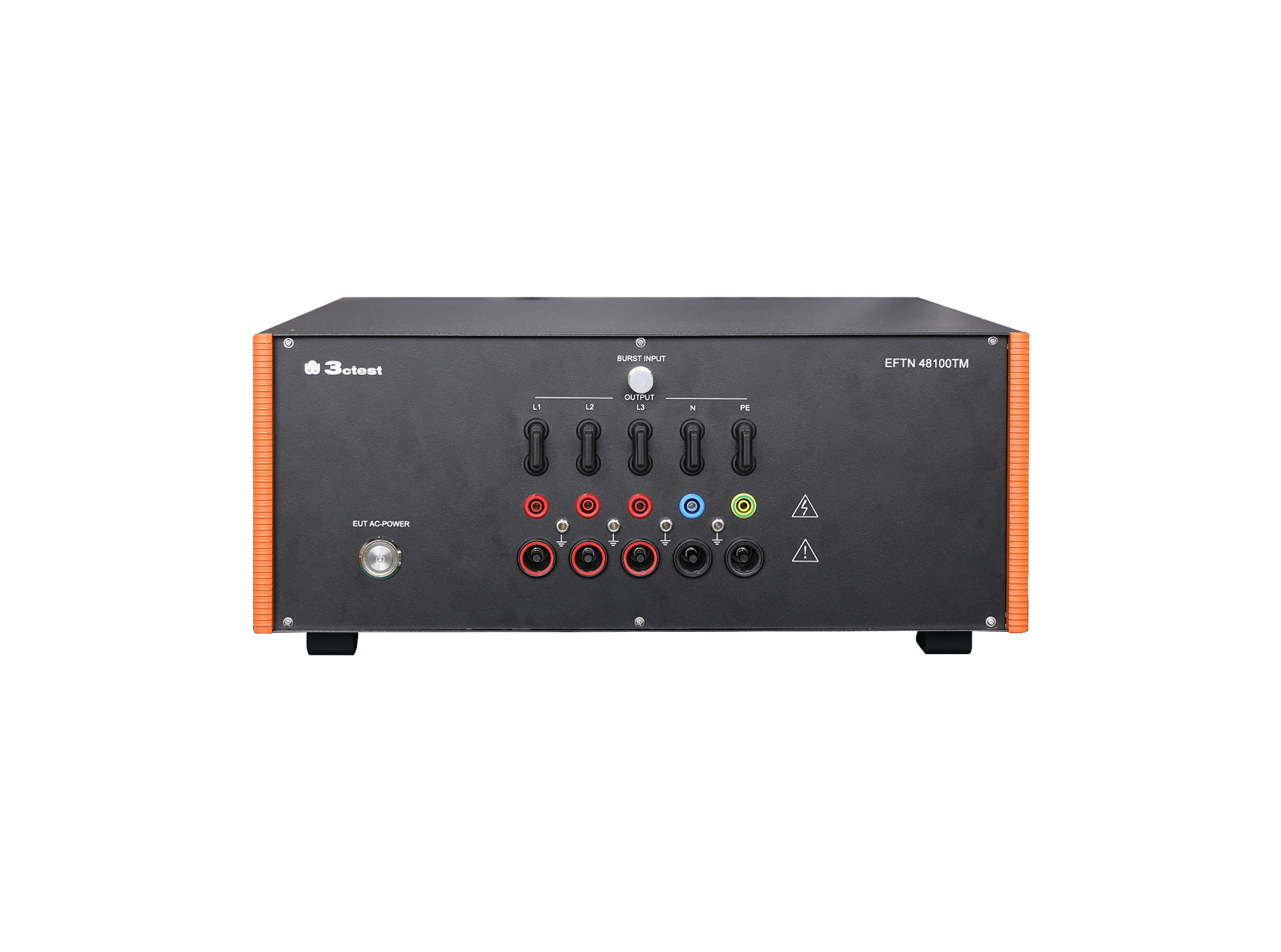
The EFTN 48100TM EFT/Burst Coupling/Decoupling Network is a manual CDN compliant with IEC 61000-4-4 requirements. It offers high reliability, stable performance, and easy operation, with a maximum load capacity of 480 V DC and 100 A.
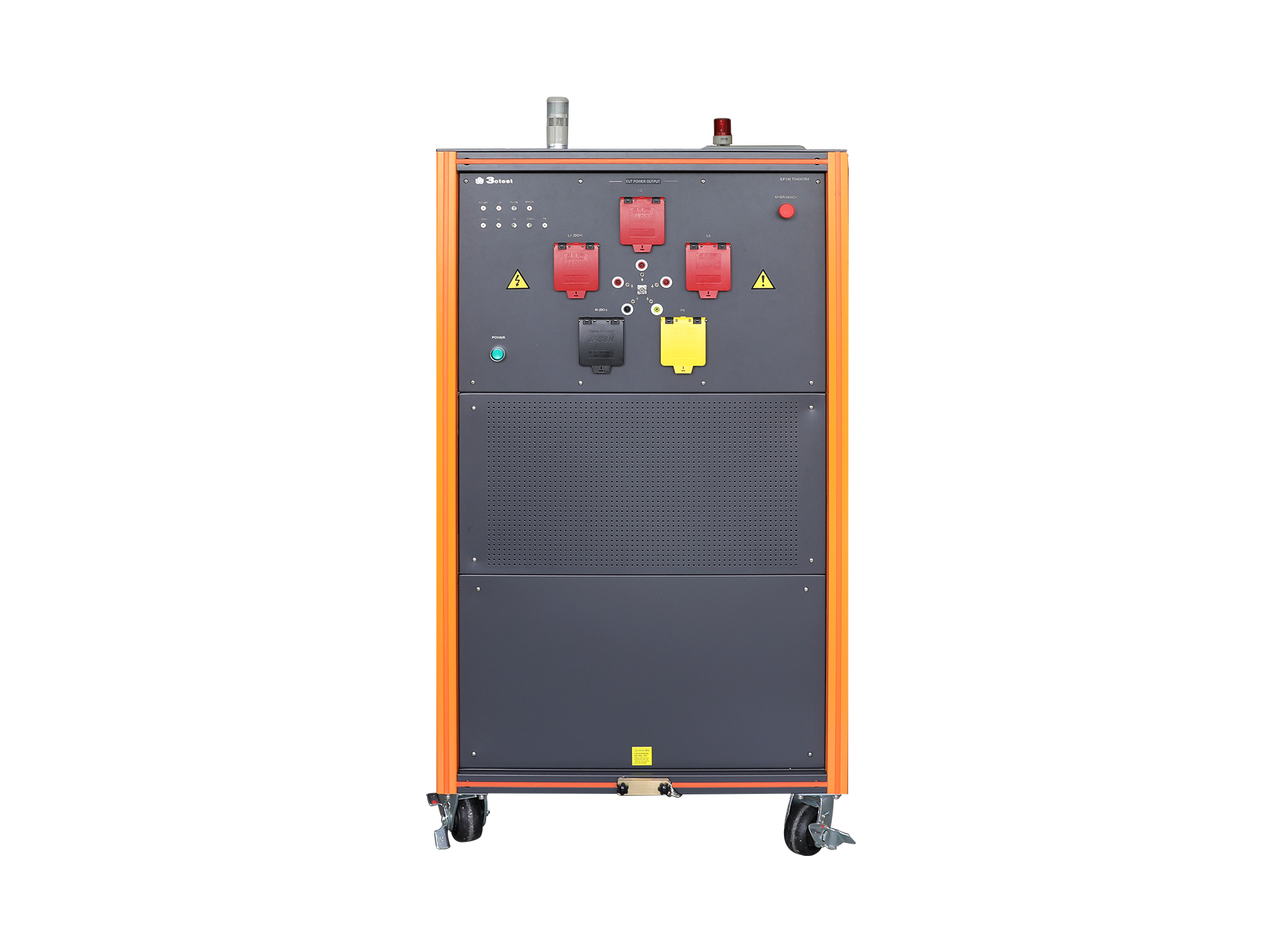
The EFTN 70400T HV High-Power EFT/Burst Coupling/Decoupling Network is a automatic CDN compliant with IEC 61000-4-4 requirements.
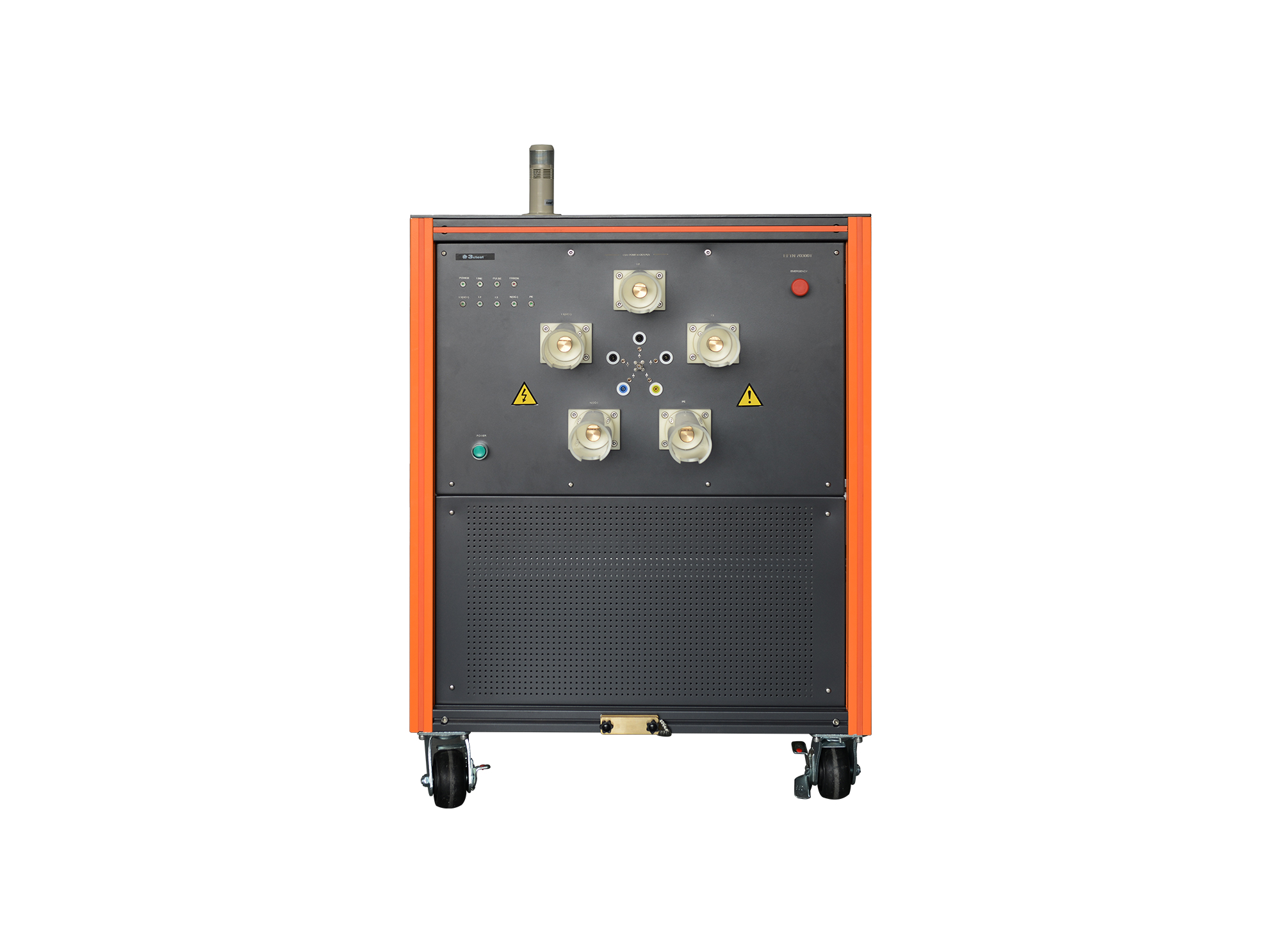
The EFTN 70300T HV High-Power EFT/Burst Coupling/Decoupling Network complies with IEC/EN 61000-4-4 and supports CE and CCC certification requirements.
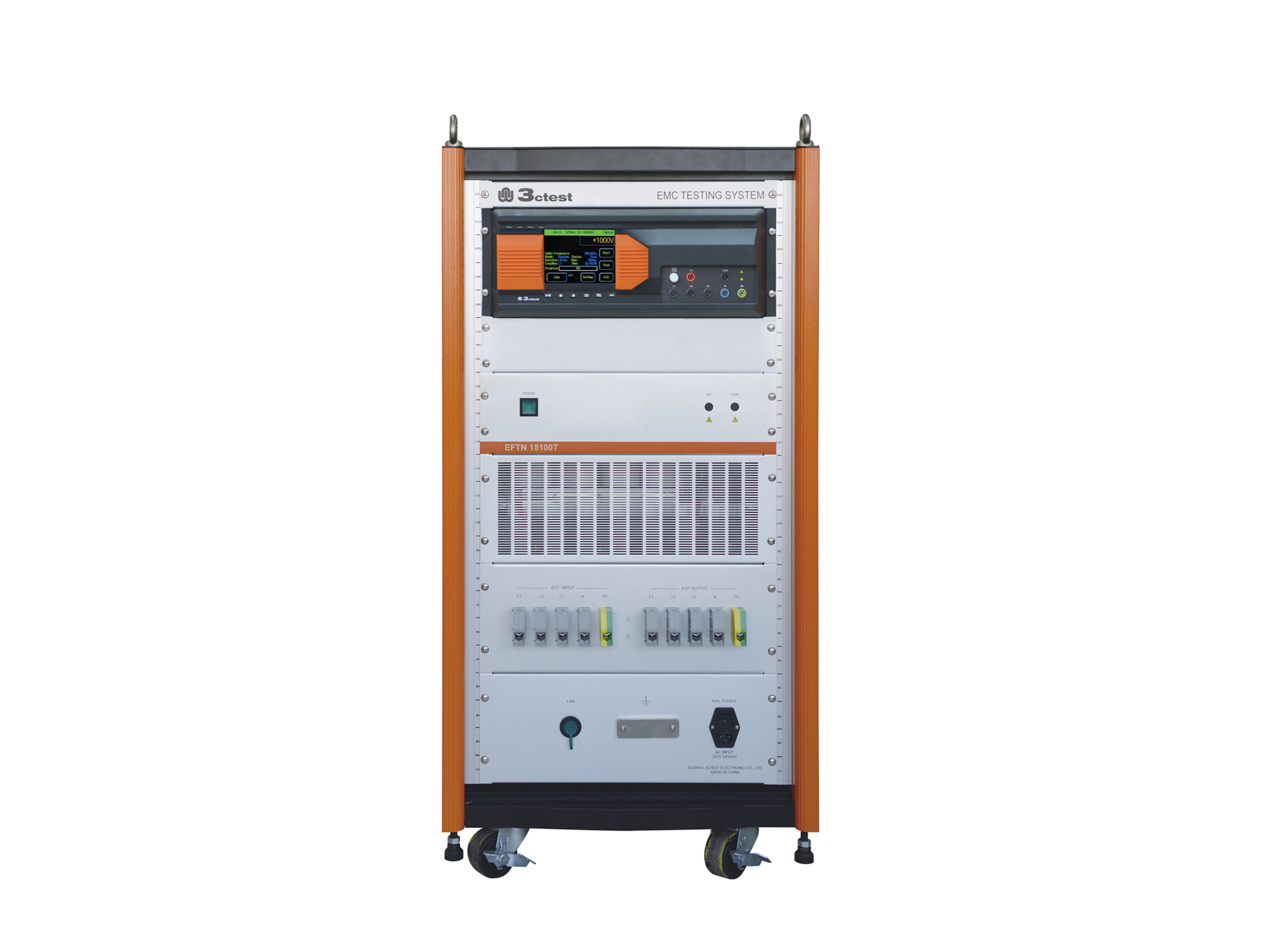
The EFTN 15100T HV High-Power EFT/Burst Coupling/Decoupling Network complies with IEC/EN 61000-4-4 and supports CE and CCC certification requirements.
.jpg)
The TFB 500/1000 is an EFT/B calibration kit developed in compliance with IEC/EN 61000-4-4, ISO 7637.2 and GB/T 17626.4. TFB500 / TFB1000 feature 50 Ω and 1 kΩ terminations.
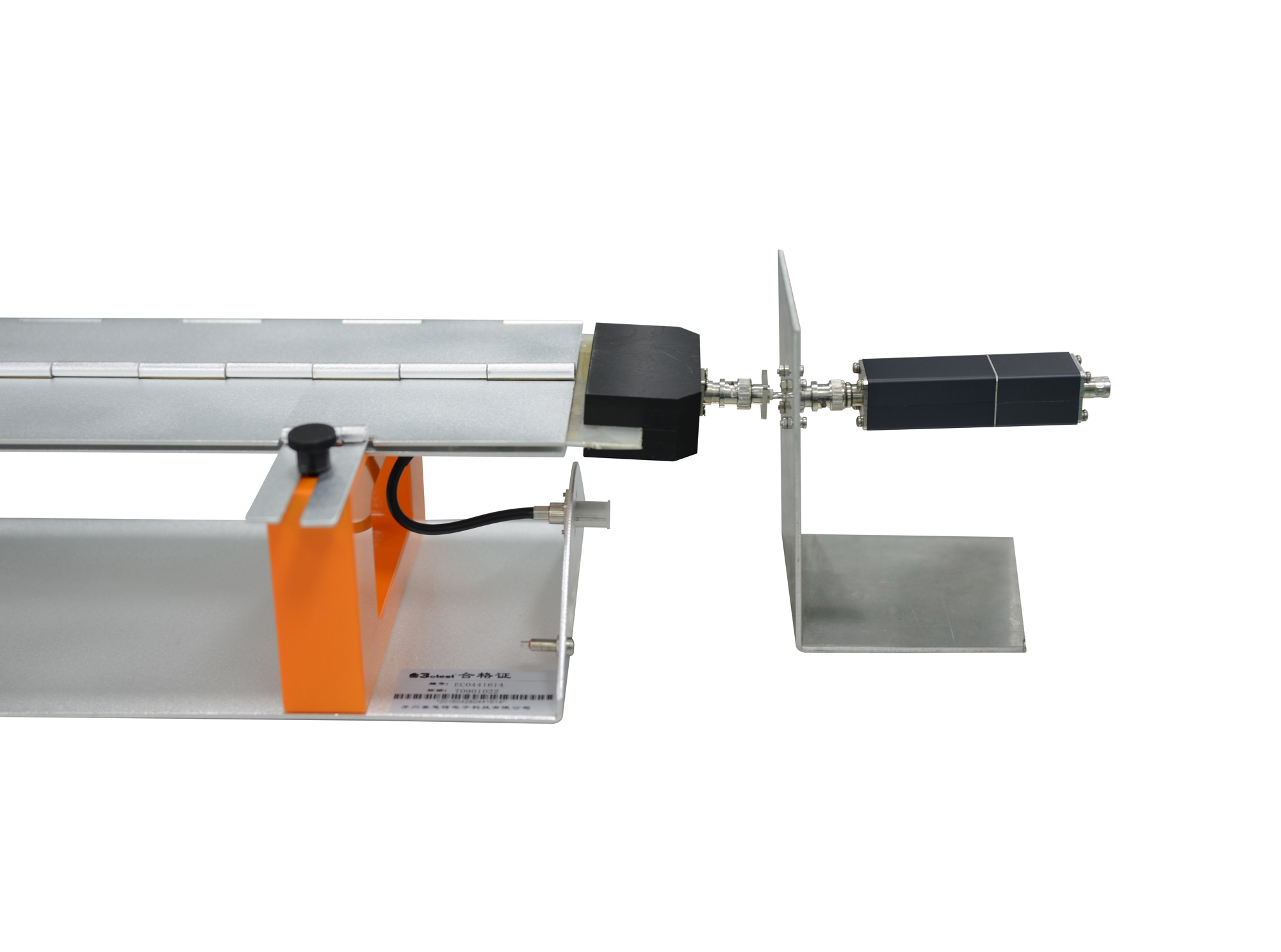
The CA-CCC transducer plate is applied for the calibration of capacitive coupling clamp. It is designed in accordance with domestic and international standards including IEC 61000-4-4 and GB/T 17626.4.
• Using the product inquiry function can help you quickly learn about the product's price and other related information.
• You can either inquire about a single product directly, or select multiple products to add to the inquiry bar and inquire about them together.
• How to make an inquiry

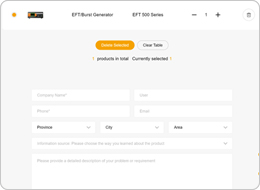
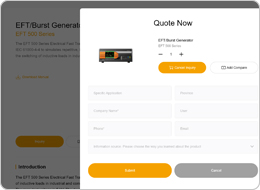
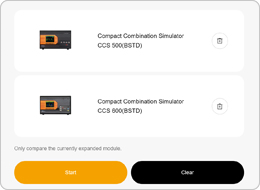
1. Using the product comparison function can help you find the target product you need for selection more quickly and easily.
2. You can add up to 5 products for comparison. Product models and parameters may vary across different series. It is recommended to compare products within the same series.
3. How to use the comparison bar.

 Phone: +86-512-68413700
 Email: info@3ctest.cn
 Address:No.99 E'meishan Rd, SND, Suzhou, Jiangsu, 215153, China,Suzhou, Jiangsu, 215153, China



© 2025 Suzhou 3CTEST


 Leave a Message